Showing posts with label Rachael Ray. Show all posts

Wednesday, November 24, 2010

Albariño: Not Just for Summer

Many people think of Albariño as a summer wine. Its bright, citrusy flavors and saline tang do conjure up images of warm evenings on the deck, long walks by the beach, and the fresh fish and vegetables of the summer season.

But Albariño shouldn't be drunk solely between June and September. Right about now, with the days shorter and the cold temperatures setting in, we can all use a lift. And with one heavy holiday meal right around the corner and more to come, I'm filling my shopping cart with lighter food options that won't leave me groaning come the New Year.

Here is an Albariño for you to look for in your local shop, as well as some menu suggestions for dishes to serve with it. One final note: if you will be having a mountain of leftovers in your fridge this Friday, Albariño is your friend. Turkey sandwiches and leftover Waldorf salad will be spectacular with this wine.

2009 Condes de Albarei Albariño Salneval (available for $8-$16) This is a wonderful example of the grape that showcases its versatility and food friendliness. It manages to be fresh, lively, yet mouth-filling at the same time. A nicely-balanced set of aromas and flavors including apple, lemon, and bitter orange finish off with a nutty, slightly salty edge that reminded me of Marcona almonds. Excellent QPR, and a great starter bottle if you're not familiar with the grape. This will set a good benchmark for future comparison.

In addition to turkey leftovers, try your Albariño with these recipes from your favorite food magazines:
Full Disclosure: I received a sample of this wine for review.

Monday, November 08, 2010

Before Your Thoughts Turn to Turkey...

It's easy in the weeks leading up to Thanksgiving to lose sight of everything but turkey and what to have with it. After Thanksgiving? I don't know about you, but the weeks between late November and early January are always a complete blur with too much going on.

So I'll be suggesting some wines in the next few weeks that you might want to get in the house before the Holiday Zanies hit. My time-saving hint is to buy three bottles of them if you think you will like the way they taste and know that you and your family will be eating lots of the food that I suggest as perfect pairings for the bottle in question. That way, you will have one less thing to worry about.

My pick for this week is perfect if:


If any of these describe you, try to get your hands on some 2007 Guglielmo Family Winery Petite Sirah Private Reserve. (suggested retail, $19) This is, hands down, one of the nicest examples of this hearty grape I've had in some time. It is rich, warm, and perfect for winter meals. Delicious aromas of mocha, blackberry, and plum blossom provide a hint of the range of flavors to come: more mocha, tobacco, plum, and some smoky cigarbox notes. This smooth, mouth-coating wine is a bit lighter on its feet than many domestic examples, and slightly lower in alcohol, too, which is welcome news to me. The result is a food-friendly Petite Sirah that doesn't leave you feeling like you've had an unfortunate encounter with a hammer the next morning. Excellent QPR.

Full Disclosure: I received a sample of this wine for review.

Wednesday, August 26, 2009

New Grape of the Month: Bourboulenc

According to the index of topics in the left sidebar, I've never reviewed a wine with Bourboulenc grapes in it. I'm sure I've tasted it before, but not since I started this blog.

Perhaps that's not too surprising. As best as I can make out, there are only about 2000 acres of the grape in cultivation. And the wine is mostly used in white blends, where it can be paired with Rhône varieties such as Roussanne and Marsanne. Bourboulenc has a lot of acidity, and can lighten and brighten white wines.

Recently I had a wine that included Bourboulenc grapes: the 2007 Château La Canorgue Côtes du Luberon Blanc from the southeastern Rhône ($18.00, domaine547). The wine had a lot of character and was made from a combination of Bourboulenc, Clairette, Marsanne, and Roussanne. It was round and full, but light and fresh at the same time--a fascinating set of contradictions. Aromas of pears, citrus, and flowers welcome you into the tastes, which are along a similar spectrum of white orchard fruits (apple, pear), citrus (lemon and a bit of bitter orange as the wine warms), and even some floral and mineral notes.This wine is organic and biodynamic as well, and delivers excellent QPR with its complexity and price point. If you like white Châteauneuf-du-Papes, but don't like paying the steep prices they often command in the market, this is the wine for you.

As an added bonus, this is one of the few wines that I've had that didn't clash with artichokes. We had it with the vegetarian-friendly Pasta with Almond-Herb Pesto and Artichokes. The round yet fresh flavor profile went nicely with the zesty herbs, ricotta cheese, tomatoes, and even the artichokes that went into this dish.

Wednesday, January 28, 2009

The Fifth Taste: A Wine with Umami

For those of you who have never heard of umami, it's the fifth taste. In addition to sweet, salty, sour, and bitter we have umami--a savory taste intensifier that is the un-namable thing in many foods that makes us say "yum" and go back for seconds.

Parmesan cheese is inherently rich in umami. So is soy sauce. I'm not sure I've ever tasted it in a wine before now. But with my latest foray into the wines of the Valle d'Aosta I took a sip of a red wine and knew that what I was tasting was hit of umami reminiscent of soy sauce.

The 2006 Les Cretes Tourrette cost a bit more than my usual wine. It was $27.99 from K & L Wines. Even at that price this was a very good QPR wine because it was so different, so memorable, and so darn good. As I told you when I announced that January was devoted to the Alpine Valle d'Aosta, it's hard to find wine from this region of Italy. That's a shame, based on my tastings, because the wines are very distinctive.

Made from Petit Rouge, a grape grown only in the Valle d'Aosta, I loved this wine's aromas of cherries, thyme, and crushed rocks. There were flavors of cherries and raspberries, too, along with this marvelously savory, soy sauce note. The aftertaste was juicy, and the wine was lighter in body like a Gamay. If I had to describe it to someone, I'd say it's a Gamay with with a dark side, since the thing about Gamay wines is that they are so bright and lively. This wine had all the brightness, but it was coupled with his great depth and complexity.

I had the best intentions of making a traditional Valle d'Aosta dish to go with this wine but in the end we had Rachael Ray's "deconstructed lasagna"--a house favorite for hitting all the flavor notes of the famous baked pasta dish without all the headache and planning ahead. The browned sirloin and parmesan cheese used in the dish really helped to pick out the umami in the wine, and the bright fruit flavors were a nice complement to the tomato sauce.

Has anyone else out there had a Torrette made from Petit Rouge? I'd be interested to know if you tasted that same, savory note.

Wednesday, November 19, 2008

Pinot Blanc That Will Rock Your Socks Off

I tend to be kind of picky in the Pinot Blanc and Pinot Gris department. There's far too much blah, blech, and boring wine out there in the market that has been made--perhaps overmade would be the best description--with these grapes.

This is not one of those Pinot Blancs. This is the kind of Pinot Blanc that rocks your socks off, and makes you wonder why so many people bother making yucky stuff.

This wine, made by Michel-Schlumberger in the Dry Creek Valley, is made from Alsatian clones and the grapes are grown in volcanic soils. The microclimate where they are grown is cool, which keeps the grapes from getting too soft and flabby.

Nicknamed "La Bise," which is French for the "the kiss," the 2007 Michel-Schlumberger is also one of those wines that qualify as a definite rebuy. It had aromas of pear, white nectarine, and golden delicious apple. The first sips were full of pear, and as you held the wine in your mouth the pear turned more acidic and citrusy. The overall impression was fresh and bright. Then, the aftertaste turned honeyed, with beeswax notes. We had our bottle with a grilled chicken breast topped with pears and apples cooked in a touch of honey and lemon juice, with some Camembert potatoes on the side. Here's the recipe if you want to make this fast meal, courtesy of Rachael Ray. Can you imagine anything more perfect with this wine?

So, now you want this wine. Where can you get it? Unfortunately, the winery is sold out. Fortunately, some retailers still have it in stock. I got my bottle at domaine547 in a "Summer Sippers" Blogger Pack put together by fellow wine blogger Wannabe Wino. This pack included 3 bottles for $55, and since one bottle of the wine is in my Thanksgiving picks (the Mauritson Sauvignon Blanc), this Pinot Blanc is a perfect fall wine in my opinion, and the third bottle is a rosé that would be perfect with leftover turkey sandwiches, I am hereby renaming this blogger pack the "Thanksgiving Survival Pack." The folks from domaine547 still seem to have a few of these packs left. Other retailers have the Pinot Blanc, too, and you can find bottles for between $17 and $22. It's excellent QPR wherever you get it.

Wednesday, April 16, 2008

An Aglianico from Molise

Behind this black and iridescent pink exterior is a wine that is quite extraordinary. It has quite a following, too, among merchants, bloggers, and readers. This may have to do with the wine's consistency--vintage to vintage people seem to find it rich and delicious. It certainly doesn't have to do with the Aglianico grapes that go into it, since Aglianico is pretty obscure here in the US. And the Molise region where the wines are grown is relatively untraveled, too, by American wine drinkers.

Maybe this wine is so popular because the unfamiliarity of the grapes and the region make it an unqualified steal when it comes to the price. I bought mine from Garagiste as a future some months back for $11.95. Now it's on the market for between $11 and $17. The 2004 Di Majo Norante Aglianico was a beautiful medium-dark garnet in color, although if you pour yourself a full glass expect it to look plummy purple. There were aromas of cherry and earth when the bottle was first opened, and the taste was a bit astringent and drying when I took the first sip and left an aftertaste like strong black tea. One of the readers here, Pat, suggested that I decant the wine first, and folks on CellarTracker seemed to agree, so I decanted it for a little over an hour and the wine had strikingly different aromas and flavors. Where before there had been cherry and earth, I now smelled blackberries, tea, and a whiff of roses. The flavors, too, had changed and now reminded me of blackberry tending towards blueberry--which is to say it tasted like huckleberries to me. There were also tea and sassafras notes, and a little minty lift in the aftertaste. This was a wine that was complex, easy to drink, and a great value--so I think it represented excellent QPR.

Aglianico is made for drinking with spicy Italian food, so think pepperoni pizza, sausage tossed with your favorite pasta, or something that uses a bit of chili pepper for heat. We had it with a slightly adapted version of Rachael Ray's gnocchi and chicken meatballs that uses lots of basil and fennel seeds, as well as some red pepper flakes, and the moderate spiciness of the food stood in interesting opposition to the clean huckleberry fruit and the herbal and tea notes in the wine. If you love spaghetti and meatballs but are trying to cut back on red meat, you will love these chicken meatballs every bit as much as the beefy originals.

Because this wine changed so much from opening to first sips, and because it was so affordable, I would be tempted to buy a case or half-case of this wine and drink it regularly over the next few years to watch it develop and change. It's lovely now, but I suspect it will continue to improve. I would buy this by the case and drink over the next 4 years. Thanks to Pat, the reader who recommended this wine to me, for suggesting I decant it. This wine is a great value--I highly recommend you try it, too.

Monday, January 14, 2008

Grape Variety #87: Zweigelt

Drinking Zweigelt is like drinking the color purple. There are flavors, to be sure, but those flavors are somehow all subsumed under the color purple.

This was my first Zweigelt, and the 87th grape variety towards my New Year's Resolution to qualify for the Wine Century Club. Zweigelt is an Austrian grape developed in 1922 when Blaufrankisch was crossed with another native variety, St. Laurent. I had Blaufrankisch a long time ago, and I remember it as a funky, pinot-like grape. I was eager to try the Zweigelt, and to see how much it resembled it's Blaufrankisch ancestor.

The 2005 Anton Iby Zweigelt Classic did indeed smell like a young, tight Pinot Noir. (K & L Wines, $11.99) It had aromas of sour cherry, earth, and just a bit of alcohol. As the wine sat in the glass the alcohol blew off, and the flavors were of pronounced sour cherry. The depth in the middle of the wine tasted like the color purple to me, and the finish was earthy and relatively short. Zweigelt doesn't have the silkiness of Pinot Noir on the palate, but otherwise it's very much like a pinot in character. And at this price, I think it would be a great substitute for Pinot Noir when your wallet is feeling a bit pinched. Very good QPR, considering the nice balance between earthy and fruity notes.

When looking for a food to pair with your Zweigelt, pork is an excellent choice. We had it with a roasted pork tenderloin and blue cheese polenta. The pork was topped with some mushrooms in a pan sauce, and the polenta and mushrooms had a nice earthiness that picked up those notes in the wine, while the sour cherry fruit and the blue cheese were super together. And because it was a Rachael Ray creation, it didn't take very long to make so it was perfect for an after-work supper.

If you haven't had a Zweigelt, try one. I think you'll find it's like a Pinot Noir--only purpler.

Friday, January 11, 2008

How I Cross-Trained My Palate

A month ago I reminded readers that they could be the unwitting victims of palate fatigue if they didn't remember that palates, just like everything else, need cross-training to remain sharp. I encouraged everybody to do something outside their wine comfort zone in order to get their palates tingling and ready for 2008.

What did I do? I turned to Cabernet Franc, which (like Gatorade) is my training liquid of choice. Why? Because nothing wakes your palate, and the aroma sensors that co-pilot it, like Cab Franc. It's not like other red wines, in that it often tastes green. It challenges you to think outside the fruit-forward box, and appreciate the herbal things in life. And it is grown in places as diverse as Bordeaux, the North Coast of the US, Hungary, and Argentina. It is one of the world's most classic, and least appreciated, grapes. And I don't drink it all that often, so it made it perfect for cross-training purposes.

What was it like? The 2004 Lang & Reed Red Shed North Coast that I opened met all of my cross-training expectations, since patience, persistence, and an open mind were required to fully appreciate this very good QPR wine. (domaine547, $17.99) It had pronounced aromas of aromas of green pepper and cassis upon first opening it, and these elements made up the dominant flavors, too. I immediately felt challenged. It was not Mt. Kilimanjaro, but it was like facing one of those rock walls with the fake toe-holds in it. Something scary and not scary at the same time. So I waited about an hour and tried again. A nice, silky plushness had emerged which helped to keep the green pepper (which hadn't gone away) in check. I tried it with food, and felt like I was beginning to hit my stride with this wine. It cried out for one of those louche meals of my suburban childhood: pepper steak with white rice. I had it with a burger instead, but I kept thinking of pepper steak.

I corked the rest of the bottle, and decided to try it again the next day. I didn't use any preservative or vacuum pumps, because I wanted this wine to get some air into it. I'm glad I did, because it was very different. One thing remained: that lovely plushness, which reminded me of an old silk-velvet opera coat that belonged to my grandmother: silky, soft, and deep. I tasted black currants and plum, and the pepperiness was more rich than green but retained a nice freshness. On night two I had it with a Rachael Ray chicken chili and it was a terrific pairing, with the wine standing up to the tomatoes and peppers in the dish without overpowering them.

After I drank my cab franc, all the white wines I tasted seemed fresher, the red wines fruitier. At the same time, I felt tuned into the herbal, grassy, and forest notes of these wines in ways that I hadn't been before. Instead of things tasting "green" they tasted of tarragon, thyme, and pine. My impressions were indeed sharper, and more specific. Cross-training is definitely worth it, based on this limited attempt.

Monday, November 19, 2007

Holiday Wine and Food Survival Strategy #1: Leftovers and Sauvignon Blanc

It's officially "holiday season." This week marks the beginning of it, and it won't end until 2008. OK, early in 2008. But still. On the list of things that are both joyful and stressful about the holiday season we find food and wine. What to eat, how much to eat, and what to drink with it is such an issue that my traffic triples between November 1 and January 1 with people looking for gifts, menus, and food and wine advice. So what stresses me out during the holidays and how do I cope?

First up: leftovers. I find leftovers stressful. They sit in the fridge chiding me for buying too much food. As they turn green, they chide me for not eating them more quickly. And whatever the leftovers are, I'm usually bored with them--that's why they turn green.

The answer is a 30-minute pot pie courtesy of Rachael Ray. (photo courtesy of FoodNetwork) Even if you normally turn away from Ms. Ray's culinary creations, do not do that now. This is not any old pot pie. No fiddly crusts, no poufy puff pastry from the freezer. We're talking rich, comforting, and creamy pot pies with tiny little peas, carrots (of course), chunks of chicken or turkey, fresh tarragon snipped into the sauce, and then a layer of cheesy polenta on the top. Ms. Ray requests freshly browned chicken bits, but chunks of cooked, leftover bird would be just perfect. This layered beauty gets put in one or several oven proof containers and run under the broiler for a few minutes to get brown and bubbly. Voila. Perfectly unrecognizable leftovers, suitable for immediate eating, for sticking in the fridge and taking out after you get back from the mall so you can warm it in the microwave, and even for sticking in the freezer and warming up on a snow-day when you can't leave the house. I'm fond of single-serving pot-pies that you can do in oven-proof soup bowls or ramekins, but you can certainly make one giant one if you wish.

A great wine that doesn't cost too much and goes with practically everything will only increase your odds of holiday survival. A perfect partner for the pot-pie (and scores of other foods to numerous to mention) is the very good QPR 2006 St. Supery Sauvignon Blanc. I received this from the winery as a sample, but you can easily get yours for between $12-$20. This California sauvignon blanc is made with a nod to New Zealand's Cloudy Bay, but because it possesses Napa Valley fruit it is rounder and riper. Aromas of pink grapefruit, lemon, and chalk are juicy and fresh and very enticing. Flavors of pink grapefruit, apple, and mineral are the perfect follow-through to these aromas. I found the mineral note very distinctive, and it made the wine really stand out for me. Furthermore, this wine was rich and medium-bodied, but not oaky. This proves that you don't have to reach for the oak if you want a fuller sauvignon blanc. This was well-made and a definite rebuy as far as I was concerned.

With potpies and sauvignon blanc waiting in the wings, I am confident I will survive. At least until next Sunday!

Thursday, March 29, 2007

Between Beaujolais and Burgundy: Alsatian Pinot Noir

When we think Alsace we think fruity white wines made with elegance and finesse. Back in the Medieval period, Alsace was known for its red wines, too. Groumets, certified wine brokers who helped to make deals between the vintners and their consumers (and made sure the local authorities got their tax cut) were kept busy in Alsace between November and January. During this period customers traveled to Alsace to taste wines, make deals, and get tasting reports from the groumets. It is from the groumets that we get our modern term "gourmet," as well as wine tasting report and, eventually, the wine blog like the one you are reading.

I've long been a fan of Alsatian whites, which are so well suited for pairing with Asian food, but recently I had the chance to try an Alsatian red. It was a chance to taste a little history when I opened up the 2005 Andre Scherer Pinot Noir ($12.95, Chronicle Wine Cellar; also available at Weimax). Talk about history. Vignoble Andre Scherer is owned and operated by Christophe Scherer, the 9th generation of his family who have worked as vignerons in the village of Husseren-les-Chateaux (pictured on the label to the right) since 1750.

This very good QPR, 100% Pinot Noir wine tasted to me like a red wine poised halfway between a gamay from the Beaujolais and a Burgundian red. It was made from fruit hand-picked from 30 year old vines. Aged for 10 months in small oak barriques, which gave the aromas and flavors sweet vanilla overtones, it was bright berry in color, with high-toned cherry and strawberry flavors. There was a bit of alcoholic heat on first opening--even though this was a relatively low alcohol wine. I would recommend serving it cooler than most reds, much as you would with a wine from the Beaujolais. Its getting harder and harder to find drinkable pinots that are under $15 (thank you, Sideways) and the fresh flavors, silky texture, and heady aromas of this wine definitely make it a very good QPR wine given the varietal.

With this wine I would recommend simple French homestyle cooking or bistro fare. For me, that means coq au vin. This is a recipe that requires a fair amount of vino in the pot. The recent debates about cooking with wine started by the NYTimes and followed up by Sonadora at Wannabe Wino and JohnG at Quaffability, have highlighted the dilemma of what wine to use when you have to use a lot of it in your cooking. While I agree that you can deglaze a pan with almost anything, or use up to 1/2 a cup of almost anything to bring some acidity to a sauce, if you are going to be using more than a cup of wine in cooking like coq au vin I would recommend something you don't mind drinking. Some recipes, like Tyler Florence's, call for a full bottle of wine. As a time-saving measure on a busy worknight, I used Rachael Ray's version from her first 30-Minute Meals Cookbook (p. 149, since the $!%# thing isn't indexed). Really, coq au vin is just chicken cooked in red wine, so don't stress too much about which recipe to use or you miss the point. This wine was perfect for cooking and drinking, since it tasted great and it didn't cost too much.

If you are interested in learning more about the wines of the region, both red and white, Alsace Wines is the official site for the region's winemakers and is available in a number of languages including English. Though often overlooked in the enormous shadows cast by Bordeaux and Burgundy, the wines of Alsace offer great value, and are great food wines so try one if you get the chance.

Thursday, January 11, 2007

Riesling from Down Under: the 2004 Kilikanoon Riesling Mort's Block

In the past when I've heard Kilikanoon, I've thought shiraz. Turns out that Kilikanoon Wines makes some mighty fine riesling, too.

Today's wine comes from the 'Mort’s Block' vineyard located in the Watervale region of the Clare Valley, where the grapes suck up nutrients from soils that include a limestone layer. Maybe this accounts from the lovely lime and mineral flavors in this excellent QPR wine. The 2004 Kilikanoon Riesling Mort' s Block ($11.95, Chronicle Wine Cellar) is a zesty example of a dry riesling. Don't be alarmed if you smell a whiff of rubber or petrol at first--this blows off pretty quickly and can actually be a characteristic of riesling wines. Once you pour it, you will see a pale straw color and the petrol will begin to be replaced by hints of lime blossom and a clean, gravelly smell. On your palate you will have the clean, piercing taste of lime accompanied with lots of minerality. Perhaps if I'd had it earlier in its lifespan the fruit would have been more pronounced, but I loved it just the way it is drinking now. (I know, the label says 2003 but I really drank the 2004!) What a refreshing, steely wine.

We had this wine with Rachael Ray's Country Captain Chicken, a tomato and chicken dish made with curry and golden raisins, but its pronounced lime-ness would make it an excellent match with any food that you normally have margaritas with--such as fish tacos with guacamole.

Riesling is so versatile and easy to pair with food, given its low alcohol and fresh flavors, that it deserves to be more fashionable than it is. Be a trend setter: pick up a dry riesling and give it a taste. My guess is it will soon become your go-to wine for spicy foods, Indian food, and light, flavorful meals.

Friday, January 05, 2007

A Fashionable White: 2005 Elk Cove Vineyards Pinot Gris

According to most wine marketing experts, Pinot Gris (or Pinot Grigio) is one of the most popular white wine varietals at the moment. As you know, I like drinking unfashionable wines because they typically represent good value for money. But I've always liked Elk Cove wines (used to drink them even more before Pinots Noir and Gris got chichi), so I picked up a bottle in November. I see that its inclusion on the Wine Spectator's annual top wines list has made the prices on the remaining bottles go up! But this wine can still be found in most parts of the country for under $20

The 2005 Elk Cove Vineyards Pinot Gris from the Willamette Valley ($12.99, Beverages and More) doesn't exhibit all the varietal characteristics of a classic pinot gris, but its relatively low price point compared to many other Pinot Gris wines in the market means that this is still a wine with very good QPR. Light straw color, it has a sweet peach (rather than the more typical citrus and pear) aroma coupled with mild floral scents. Flavors of peaches and cream follow on your palate, with a hint of toasted almond at the end. Lush and delicious, this wine invites you back to the glass again and again for more.

Because this wine was softer, rounder, and richer than most Pinot Gris, I felt it would be best with foods that you might have with gewurztraminer, such as spicier fare and shellfish. We had this with one of our favorite Rachael Ray recipes: Thai Chicken Pizza. This wine would also be excellent with other spicy foods, be they Thai, Indian, Chinese, or Creole.

Friday, October 27, 2006

Indian Food and Wine

Last night I cooked Keralan food from South India using Maya Kaimal's excellent Curried Favors. I wasn't able to find any of the recipes I used online, but if you want to check out Maya's accessible approach to Indian food, you can go to the Rachael Ray magazine website (she's everywhere!) and see her recipe for curried chicken. We had lots of fun with our belated Diwali festival (missed it by a few days!), eating shrimp thiyal and cabbage thoren with some eggplant curry and lamb korma.

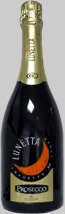
But the menu did pose problems for someone like me who prefers wine to beer. I know that beer is supposedly best. I was told this by the guys at Chronicle Wine Cellar, who tried to persuade me not to buy wine that day. But I think gewurztraminer and rieslings do work well with curries, so I asked the Chronicle Wine staff for a recommendation and they suggested I try either the 2003 Chateau d'Orschwihr Gewurztraminer Bollenberg ($14.95) or the NV Cavit Prosecco Lunetta ($7.95). I bought both, to try out a little experiment.

We opened both before dinner, and I had sips of both before eating. I was extremely impressed by the NV Cavit Prosecco Lunetta, which I think had excellent QPR. It was fresh and round on the palate, and the nicely bubbling glass was pleasantly refreshing. It was toasty and a bit yeasty, with I found a nice counterpoint to the typical lemony essence of prosecco. Sometimes a prosecco at this price point can be a bit harsh and acidic, but not this one. With the food it stood up to the strong flavors without overwhelming them, and while I've never had a sparkling wine with Indian food after this I have to say that prosecco was a great recommendation. I wouldn't necessarily pull out your finest French vintage champagne, but the prosecco was very good indeed. This Lunetta would be an excellent holiday pour, good with a variety of foods and extremely affordable. Striking label, too. Thanksgiving?

On to the 2003 Chateau d'Orschwihr Gewurztraminer Bollenberg, which I rank as having good QPR. (here's a label shot from an earlier vintage--but the label looks the same). I'm not as familiar with Alsatian Gewurztraminer, which is less dry than new world bottlings. It was deep and golden in the glass, and had really interesting honey, peach, and apricot aromas. The first sip, without food, was over the top and sweet. This is definitely an off-dry wine. With the food however, espeically the highly seasoned cabbage and some spicy chutneys, this wine was very nice. But I did feel that it may be overwhelming the food, rather than complementing it. I found it interesting that the CWCellar staff felt that riesling was too lean and wouldn't stand up to the food as well as the gewurztraminer.

So the jury is still out on Indian food and wine. I have yet to feel like I know the wine to go to--never mind the maker--when I'm thinking of cooking up a Keralan feast like this. Any readers with suggestions or recommendations, please leave a comment.

Tuesday, October 24, 2006

2004 Sollner Gruner Veltliner Danubio

It's hot in LA, and we're back to eating burgers and salads. Dragged home from the library and popped a 2004 Sollner Guner Veltliner Danubio ($9.95, Chronicle Wine Cellar) into the fridge while I made up some of Rachael Ray's chicken cacciatore burgers (not the one on the web--the one in 365 No Repeats that actually has a proper bun and sauteed portabella mushrooms) and of course a Jamie Oliver salad. People get sniffy about Rachael Ray, just like they do about Beverages & More, but she's the only woman in my kitchen almost as much as I am. Mind you, I can't stand watching her on tv, but I like the cookbooks.

As the burgers were grilling and the peppers and mushrooms were sauteeing, I opened up the GV. I wasn't expecting much because I had this at someone's house after I bought my bottle and didn't think much of it. Mine tonight was nicely chilled down, and it was paired with food that had an edge of sweetness and earthiness to it and it was very good.

Gruner Veltliner has an interesting varietal flavor profile: stones, minerals, grapefruit, white pepper, and lentils. How's that for a wine? If you haven't tasted it before, it tastes like a super lean riesling, with no impression of sweetness. It is experiencing quite a surge of interest at the moment, with wine writers like Jancis Robinson extolling its virtues and versatility.

This GV, from Weingut Sollner on the Danube, is made at a certified biodynamic vineyard. What are biodynamics, you ask? I thought it was a super organic designation, and then I went to the Oz Farm dinner this summer outside Point Arena and discovered it was something else entirely. Based on the philosophy of Rudolf Steiner, biodynamic wine production (as far as this historian can tell) is based on medieval and early modern farming techniques. Wineanorak has a good article on the topic. It's very much a "plant this wine at the full moon" philosophy. NPR did a great show on the topic, and urged caution before we turn up our collective scientific noses at it. At Oz, they think it makes a difference and they're the farmers, so they should know.

The 2004 Sollner GV Danubio was as pale as water in the glass, with a slight golden tint. Lots of citrus in the aromas and some on the palate. But mostly the taste was indeed stony, with a hint of musty lentilness and a bright peppery spark if you really dug for it. Some GV's just stun you with the way the flavors keep unfolding--rocks, fruit, herbs, lentils, spice--and this was not quite that fine. Still, I give this very good QPR for its price. It is available online at some east coast merchants, as are different vintages designations for Sollner.

Last but not least, this is my first Thanksgiving wine recommendation. Because it goes best with food with a touch of earthy sweetness, it would be great with turkey, cranberry sauce, and any mushroom dishes. At this price, you can get a few extra bottles and put it away for the leftovers, too.