Showing posts with label indian food. Show all posts

Wednesday, February 25, 2009

Indian Food and Wine: A White Blend That Works

As regular readers know, pairing Indian food with an appropriate wine is something of an obsession of mine. And even though I love Gewurztraminer and Riesling, even I get tired of always pairing this flavorful and aromatic cuisine with these choices.

I've just discovered another white wine that works with spicy Indian food: the 2007 Hayman & Hill Interchange. (MSRP $14; find out more information here about this relatively new release) This wine is ideal for pairing with Indian food, because it gives a slightly off-dry impression without being sweet. It also has a slightly heavier mouthfeel than Riesling or Gewurztraminer, so its ideal with richer curries like chicken korma, shrimp tikka masala, or lamb pasanda.

The 2007 Hayman & Hill Interchange is a white blend made from 47% Chardonnay, 34% Sauvignon Blanc, 7% Muscat Canelli, 5% Malvasia Bianca, 4% Semillon, and 3% Gewurztraminer. The result is a wine with creamy, floral, and orchard fruit aromas. These are followed up with flavors of honey, peach, and a touch of smoke from the six months that the wine spent in small, French oak barrels. The combination of richness and freshness was interesting and appealing.

We had the wine with creamy shrimp tikka masala, and it was perfect for the meal's combination of spicy, but rich, flavors. The sweet impression the wine gives meant it didn't clash or compete with the spices, and it also brought out the sweetness of the shellfish. And the heavier mouthfeel was a nice complement to the coconut milk in the sauce. I think this wine would be excellent with yellow Thai curry, or even a spicy General Tso's chicken because these dishes also combine spicy and sweet notes.

Full Disclosure: I received this bottle as a sample.

Monday, September 22, 2008

Muller Thurgau? How Unexpected.

Sometimes, you just don't know what to think of a wine.

When you think "southern Italian white" maybe you think Chardonnay from Sicily. Maybe you think of a more acidic white made to be sipped with seafood fresh from the Mediterranean.

Here's what you're probably not thinking: a blend of Muller Thurgau and Gewurztraminer.

From northern Italy--yes. From Basilicata? No.

Muller Thurgau is one of the "new" grape varieties that was created in the 19th century after phylloxera devastated European grape stocks. It's a cross between Riesling and Silvaner, and as a result it has some of the qualities associated with many wines from Germany and Alsace: good fruit, a flavor profile that can fit anywhere from dry to sweet, and nice acidity. Mix it with some spicy, aromatic Gewurztraminer, and you've got a wine that's big on fruit with a distinctive character.

The only analogy I can make to the 2005 Re Manfredi is that its not unlike a dry Sauternes. ($16.99, Biondivino; between $16 and $28 from other merchants) Made from grapes grown on Monte Vulture, Basilicata's famously extinct volcano, the vines are tucked in around more widely populated Aglianico vines that produce the region's distinctive red wines. The Muller Thurgau seems to like the volcanic soil, and the warm temperatures and marine influence help to shape a wine that smelled deliciously of cocounut, pineapple, and spice. When you sipped the wine, you were bowled over by tropical fruit flavors that had a lot of acidity (so think starfruit, pineapple, and slightly under-ripe papaya). There was a juicy, pineapple-inflected finish and notes of stone and iron. Unlike Sauternes, this wine is medium-bodied so it's not as mouth-coating, nor is it as sweet. If you serve it straight from the fridge the sweetness is actually emphasized, so I would recommend letting this wine come up a bit in temperature so that you can really enjoy the aromas and flavors.

As you can imagine, this wine is a honey with spicy food--and would be especially delicious with Indian food, since its medium body would stand up to dishes made with coconut milk (like South Indian curries). We enjoyed it with some homemade Kung Po Chicken that really went well with the tropical fruit flavors. And the spice in the dish was very nice with the spicy notes that the Gewurztraminer brings to the wine.

No matter how much you know about wine, there's always a surprise around the corner. And I love when a bottle of wine's flavors are unexpected--in a good way.

Monday, July 28, 2008

New Math Cava: 1 + 1 = 3

I normally like wines where the whole is greater than the sum of its parts. Here, the name says it all. The NV U Mes U Fan Tres (1 + 1 =3) Cava Brut combines good taste and good value in a sparkling wine that is perfect for sticking in a tub of ice and pouring during brunch or at your next picnic or barbecue.

The NV 1 + 1 = 3 Cava Brut was good QPR. ($13.99, on special at Weimax; you should be able to find it near you for between $11 and $20) The wine had a very tiny bubble or bead, which made it very lively in the glass and in your mouth. There were so many small bubbles the overall impression was intensely fizzy, but the bubbles were not at all harsh or raspy. There were slight aromas of lemon pith and almond, and these aromas grew and developed in the flavors which were also dominated by citrus. I noticed the taste of lemon, but also grapefruit peel. There was a nutty aftertaste, as well. This wine hints at great complexity, but the flavors and aromas never develop to their full potential. However, this example of a Cava was very, very dry so if you sometimes find Spanish sparklers too fruity, you will probably really enjoy this wine.

Cava is one of the world's most versatile wines, and it's great with more than just brunch and picnics. We had it with a fast Indian curry that used shrimp and coconut milk. The recipe uses lime, which picked up the citrus notes in the wine and the bubbles and acidity was refreshing with the herbs used in the recipe. The Cava also handled the coconut milk well, and kept the food's flavors lively. At this point in the summer you may be looking for a break from the grill and I'd highly recommend this meal for a quick after-work supper that won't have you standing over a hot stove and is perfect for carrying out to the deck--with a bottle of chilled Cava--and eating al fresco.

AVIN8542441414654

Monday, April 21, 2008

Another Great Oregon Riesling

A few months ago, Jeff from Good Grape pulled together a blogger's 3-pack of Oregon wines with domaine547. Jeff promised us a trip to Alsace via Oregon with every sip of these wines. I just opened up my second bottle from the pack, and I think he's delivered so far. The two wines that I've had were both excellent , with distinctive flavors and an attractive price point.

The bottle I'm going to focus on today is the one in the far right of the picture: the 2005 Amity Riesling. (purchased as part of a 3-pack from domaine547 for $52.99; the winery is now sold out) Made in the Willamette Valley by Myron Redford, just 100 cases of this beauty were produced. There were pronounced floral, honeysuckle, and orange blossom aromas in this wine that suggested it would be decidedly off-dry when I sipped it. But the wine tasted drier than it smelled, with flavors of lemons and slate. There was a honeyed note in the finish, and a bit of a petrol aftertaste, which kept the wine interesting and engaging. I think it would be hard to find such a well-balanced, complex domestic Riesling for under $20--which this was--so this one earns excellent QPR.

This is the kind of wine that begs for spicier food. When you're eating something fiery, it's best to have a wine that's just a bit off-dry but not cloying. We had the Amity Riesling with a Goan Shrimp Curry from the cookbook American Masala by Suvir Suran. The recipe combined aromatic spices, coconut milk, shrimp, and peppers and the wine stood up to if nicely. (hint: if you can't find curry leaves near you, then you can use 2 bay leaves instead. It's not exactly the same, but it will do if you don't have a good Indian grocery nearby) The citrusy notes in the wine were particularly nice with the shrimp, and the floral flavors wafting up from the wine combined with the spices wafting up from the pot.

In a few weeks we'll be tasting Old World Rieslings for Wine Blogging Wednesday #45 with Tim Elliott of Winecast, and this wine definitely got me thinking ahead to that event. Rieslings are great food wines, they're lower in alcohol than most whites, and they are perfect for spring time, so go out and find yourself a Riesling. Even if you haven't liked them in the past, wines like this Amity Riesling are going to change your mind.

Wednesday, March 26, 2008

Grape Variety #99: Aligoté

I'm down to the final three grapes in my pursuit of membership in the Wine Century Club, the organization devoted to promoting rare and unusual varieties. I've had a dozen rare grapes since January, and today's grape is less rare (it's actually the 4th most planted grape in the world) than it is simply one I've not gotten around to drinking before.

Aligoté is a French variety that is used to make Cremant de Bourgogne. It's known for its fresh acidity, which some people find overwhelming. I like how bracing the wine is, and how food friendly it is. It's also versatile. Aligoté is used as the base for Kir cocktails (named after the one-time mayor of Dijon), which are made with a mixture of cassis liqueur (modern types use blackberry, raspberry, or even peach liqueur instead) and chilled wine. If you use sparkling Cremant de Bourgogne instead of still Aligoté, it's called a Kir Royale. So buying a bottle of Aligoté can take you from cocktails to dinner effortlessly.

The 2004 Michel Lafarge Raisins-Dorés I had was very pale in color and had aromas of apple with a nutty edge. ($14.99, K & L Wines; available elsewhere for $14-$22) The wine had a medium-bodied feeling in the mouth, but lots of crisp acidity in its predominantly citrus flavors. I tasted white grapefruit and lemon pith, as well as a pineapple note as the last of the wine slid over my tongue. I can certainly see why the acidity wouldn't appeal to everyone, but I don't understand why this is relegated to secondary grape status in Burgundy. This is an interesting variety, and should appeal to anyone who likes Sauvignon Blanc, and is looking for a good QPR choice.

Because of Aligoté's acidity and its versatility, it can find a mate with a lot of dishes. One night, I had it with wok-seared scallops with a tangerine sauce, and the acidity in the wine was great with the fresh vegetables and the tangerine juice and cut nicely through the richness of the scallops. The next night, I made Kir cocktails while I was cooking up one of Maya Kaimal's chicken curries (I made the chicken fry curry in her first book Curried Favours, but it's not online; if you want to try her style of Indian cooking, give her Chicken Masala a try). I just kept on sipping Kir cocktails right through dinner, and they went well with this Indian dish. With the blackcurrant liqueur in it, the wine had a soft sweetness that was just right with the aromatic spices and slightly spicy jalapeño notes in the curry.

If you love Sauvignon Blanc you might find Aligoté a nice change of pace this summer. And its versatility makes it a good wine to have on hand for impromptu Happy Hours at the end of a long work week, too.

Wednesday, October 10, 2007

Wine Blogging Wednesday #38: Portuguese Wine

It's that time again: Wine Blogging Wednesday. Today, bloggers all over the world will be telling us what they tasted when they uncorked bottles of Portuguese table wines. Ryan and Gabriella at Catavino cooked up the theme for WBW #38, and asked us to look for Portuguese wines that were not the fortified port wines most of us associate with the region. Portugal makes beautiful table wines, too, and they challenged us to look beyond the popular Douro region, and beyond the familiar Mateus and vinhho verde to look for something new and different to taste our palate.

I succeeded in steering clear of the Mateus, and the vinho verde, but I did end up with a pick from the Douro. It turned out to be oddly challenging to find a Portuguese wine in LA, and the best selections were often in chain shops, like Beverages & More. But I did find a bottle--a white, no less--at a local store and it impressed me enough to wonder why more merchants don't stock wines from this region. If they are anything like this one, they are good, affordable food wines. My pick for WBW #38 was the 2005 Adriano Ramos Pinto, a white wine made by an old wine house that specialized in port founded in 1880 by the man whose full name is on this wine: Adriano Ramos Pinto. ($10.99, Mission Wines; available from other merchants for between $10 and $13).

The wine is blended from three varieties of grape: Viozinho (60%), a low-yielding white variety used in white port; another low-yielding white variety, Rabigato (30%); and Arinto (10%), a white variety that brings acidity to the mix and is used in making vinho verde. I've never tasted anything made with any of these grapes, so I wasn't sure what I was in for. Turns out that this white blend resembled an aromatic, bone-dry riesling or a medium-bodied, barely oaked sauvignon blanc. There were soft aromas of grapefruit, citrus pith, and a whiff of petrol when you first opened it--just like a riesling. These appealing smells led into the flavor palate, where clean grapefruit and mineral notes met up at the back of your throat with a whiff more petrol. At 12.5% alc/vol. it was a very pleasant food wine, all the more so because it was very lightly oaked. The wine was aged for only six months, with 80% of the juice spending its time in steel vats, and 20% of the juice spending its time in new French oak. Given its low price, and its interesting mix of aromatics and dry flavors, I thought this wine represented very good QPR.

This wine would be an excellent pairing with not-terribly-spicy Indian or Asian food, richer fish dishes, light chickendishes, and salads. We had it with Indian-spiced Bombay Sliders, mini chicken burgers with lots of aromatic spices and herbs in them. These were popped onto dinner rolls, topped with some curried mayonnaise, and some sliced veggies. We had oven-fries made with sweet potatoes along side. The wine really went well with this range of flavors and ingredients, and would have been a particularly good option for those who don't like the sweet impression that rieslings (even dry rieslings) give.

While finding the wine was a challenge, I'm glad I did locate a Portuguese table wine--and a white, no less. I'm going to keep looking for wines from this region, and try to learn some more about the grape varieties. This wine was a real surprise, and I think I'm missing a lot of interesting wine. Thanks to Ryan and Gabriella for the great theme, and as always thanks to Lenn Thompson of Lenndevours for dreaming the event up more than three years ago. I'll post the link to the roundup when it is available, as well as a link to November's theme.

Monday, July 30, 2007

Indian Food and Wine Find

The challenges of pairing pizza and wine are exceeded only by the challenges associated with pairing Indian food with wine. Most people just have beer. For me, though, it has to be vino.

Usually, my go-to wines are riesling and gewurztraminer. They have enough of a sweet impression to handle the heat of the food without amplifying it with tannins, and their aromatic profiles also stand up to all of those spices that waft out of the pots. But I was surprised to discover a Rhone-style white blend could be an equally good partner for Indian food.

The 2003 Treana Mer Soleil is a white blend made with the Rhone varietals viognier and marsanne and it was superb with Indian food ($14.99, Costco; available elsewhere for between $20 and $30). The prelude to the wine was rich and sweet honey and apricot aromas laced with lemon blossom. At this point, I was ready to dive into the wine! Sipping it, my first impression was of satin, as the marsanne gave it a full, heavy feeling in your mouth. Despite the wine's first impressions, it is actually a dry wine with flavors of golden delicious apples and pink grapefruit dipped in honey. Good acidity made for a well structured wine that was refreshing and fresh.There is the merest suggestion of botrytis in the long and luscious finish, although my research did not indicate that botrytis was really present in the wine. Very good QPR.

We had this superb wine with Maya Kaimal's Black Pepper Chicken Curry, which originally appeared in her second cookbook, Savoring the Spice Coast of India and was reprinted in an article in Food and Wine Magazine. We had it with some steamed basmati rice, and I pulled out some leftover corn on the cob to use in a recipe from Sunset magazine for spicy corn and mustard seeds. The curry has coconut milk in it, so the heaviness of the wine and he creaminess of the curry's sauce were well-matched. And the balance of sweetness and acidity in the wine was just right for the rich spiciness of the dishes.

This is the second Rhone white that I thought would pair well with Indian food (the other was a Kris Curran Grenache Blanc). So if you've never been drawn to riesling and gewurztraminer, but want wine that goes with curry, don't be afraid to try another aromatic white. You may make an Indian food and wine find, too.

Tuesday, May 29, 2007

Catavino's May Virtual Tasting: Albarino

Catavino's May Virtual Tasting theme is Albarino, the white grape that is planted abundantly in the Rias Baixas region of Spain in Galicia, and is increasingly popular with US consumers and grape growers. How to explain this white's growing fan club? It's an excellent food wine, with great balance between ripe fruit flavors and refreshing acidity. It's also very affordable, although I have a sinking feeling that may change as US consumers gain some familiarity with it.

Albarino has a long history in Spain, and albarino wines made in the traditional fashion emphasized the mineral qualities of the grape along with its acidity and fruit. Modern growers and winemakers are concocting more fruit-forward wines to appeal to the majority of 21st century drinkers who seem to prefer that style. So for the Catavino Virtual Tasting I decided to get two albarinos--one made in the traditional style, the other in a more modern, fruit-forward style--and compare them. We had folks over for drinks and appetizers by the pool and I served some serrano ham, bread sticks, olives, cold peel-and-eat shrimp with cocktail sauce, and even some tortilla chips with salsa and guacamole. Then we started sipping. While we had a definite favorite among the two Albarinos we tasted, both represented excellent QPR, something I've grown to expect and enjoy from Spanish wines.

First we tasted an albarino wine made in the traditional style, the 2005 Pablo Padin Albarino Segrel (Chronicle Wine Cellar, $13.95; available at other merchants for around $15). This wine had white stone fruits, apple, and pear in perfect balance with stony, mineral, and herbal notes. While the wine had lovely, food-friendly acidity it was not all harsh or sharp on the tongue. It was especially good with the shrimp and the olives, since it seemed to pick out the brininess of the shellfish and the fresh greenness of the herb-infused olives. I liked the warm peach aromas when the bottle was first opened, and the way these led to a dry, refreshing flavor profile. This wine was most people's favorite, and we agreed that it didn't taste like any other wine we'd ever had--it was full of distinctive albarino varietal characteristics.

Our next bottle was an albarino made in the modern style: the 2005 Martin Codax Albarino Burgans (Chronicle Wine Cellar, $9.95; available at many merchants for $10-$20). This wine will definitely be easier to find than the Pablo Padin, and it has a label that fits in with all the other wine labels in the store. This wine was much more fruit forward, with grapefruit, apple, and peach aromas and abundant fruity flavors. There were notes of flowers in the aromas, too, but very little minerality among its flavors. Like the first albarino we had, this had nice acidity, but overall the wine wasn't as balanced between acidity/fruit/minerality as the first wine. Most of us felt this was not as distinctive as the Pablo Padin, and could be mistaken for other dry white wines.

If you want to explore Albarino wines more, I found a great podcast on Albarino wines at the Remarkable Palate Podcast. This podcast was made in conjunction with a tasting of wines made by 19 producers, and lasts just under an hour, so it's a good option for listening to during your commute if you are intrigued by this varietal and want to get to know it better. It included a lot of discussion of the varietal characteristics of the grape, and a very lucid overview of food pairing for this wine. Experts suggested that Albarino would be good with Indian food, which I would agree with now that I've had a few more of them--especially seafood curries.

Thanks once again to Catavino's Gabriella Opaz and Ryan Opaz for hosting this event. If you'd like to see what other people have been drinking this month as they learn more about albarino, check out their forum where you will find over 2 dozen posts and counting. And if you've had an albarino this month, you still have a few days to leave your impressions of the experience over in the forum. I'll post the June theme as soon as it's announced if you'd like to join in the fun next month.

Monday, February 19, 2007

Gewurztraminer's Turn? the 2004 Snoqualmie "Naked" Gewurztraminer

With riesling moving steadily from the unfashionable to the fashionable side of the wine spectrum, and costs bound to follow from affordable to sky-high, perhaps it will soon be gewurztraminer's turn to take a spot in the bright lights. There are many similarities between Geuwrztraminer and Riesling--both can be off-dry, both pair well with ethnic foods--yet it can be difficult to find good gewurztraminer at affordable prices, not least because relatively little of the grape is cultivated here in the US.

But there are good gewurztraminers coming out of California and Washington, including this one from the Columbia Valley. Winemaker Joy Andersen of Snoqualmie Vineyards in the Columbia Valley AVA of Washington state, faced a difficult vintage in 2004: hot and dry conditions led to early ripening and the beginning of grape harvesting, followed by a cold snap and a "second harvest" in October. From these challenging conditions sprang this good QPR Gewurztraminer, made from certified organic grapes. It's the organic status of the grapes--bare of pesticides and chemicals--that gives this wine its pure, "naked" character.

The 2004 Snoqualmie Naked Gewurztraminer ($12.99, Malibu Wines) was golden straw in color. There were subtle aromas of pear and honeysuckle, but nothing like the perfumed spiciness that often accompanies a wine made with this varietal. I was struck by its slightly syrupy texture, which I enjoyed very much. It accompanied tastes of sweet apple and white peach, which finished with a honeyed note. Though it had many of the varietal calling-cards of gewurztraminer, I felt that it lacked the spiciness and the fresh acidity to bring everything into focus and produce a really memorable wine. We had it with a spicy stir-fry, but I think it would have been even better with very spicy Indian food or even Thai cuisine. The next day, I had a glass before dinner while I was just unwinding and it was an excellent aperitif, so it's worth thinking of this wine if you are having a drinks party. The 2004 may not be easy to find (although there were quite a few bottles up at Malibu Wines when I was last there), but there is a 2005 version of this wine out now.

Feel free to leave a comment if you like gewurztraminer and would like to give us all a heads up on your favorite finds.

Thursday, February 01, 2007

Grenache---Blanc?

I had never even heard of grenache blanc when I wandered into Malibu Wines last month and saw this bottle on offer. Made by Kris Curran, the winemaker at Sea Smoke, on her new personal label, there are fewer than 100 acres of grenache blanc under cultivation in the US. The wine is popular in both France (where it can provide up to 50% of the juice in Chateauneuf-du-Pape whites) and Spain (where the grape originated in the Priorat region). This is not a "white" version of a red grenache wine--it's a whole other grape.

The 2005 Curran Grenache Blanc ($25.2o, Malibu Wines) is a very good QPR wine that is pale straw in color, with aromas of fresh peaches and apples. A slight spritz on your first sip is the preamble to flavors of ripe, round peaches and melons. As you swallow, you are left with a rich, juicy impression that is all fruit. While grenache blanc is often aged in barriques, Curran ferments in stainless steel and inhibits malolactic fermentation to highlight the fresh flavors of the varietal. This is a full-bodied white with a luscious texture--but none of that comes from oak. It's all from the high-quality fruit.

I looked on the web for some suggestions of what to serve with Grenache Blanc and many sites mentioned pumpkin and squash dishes. I decided to try David at Cooking Chat's recipe for a chicken and butternut squash risotto. He didn't post a picture of his dish, so I took a picture of mine. And I hope David will forgive me for swapping the garlic powder for minced garlic, and omitting the truffle oil which I didn't have in the house and couldn't face shopping for it! It was absolutely excellent, and its rich yet delicate flavors went perfectly with this full-bodied, soft wine. It would also be good with spicy, creamy dishes like Thai and Indian curries, or with traditional French bistro fare. Kris's wines were recently featured at a wine-tasting dinner at Akbar in Santa Monica, where the 2005 Grenache Blanc was paired with an Indian fish dish, confirming my sense that the wine would go as well with spicy fare as it did with my risotto.

This is a special bottle of wine, and even if your normal wine ceiling is $20 every now and again it pays to go above it as long as the wine you are purchasing is of sufficient interest and quality. This one is. There are quite a few bottles of this wine available through retailers (check WineZap for one near you, or one that can ship to you). Curran also has an email list to notify customers of upcoming releases and allocations, in case you want to explore her syrah and other wines.

Thursday, January 11, 2007

Riesling from Down Under: the 2004 Kilikanoon Riesling Mort's Block

In the past when I've heard Kilikanoon, I've thought shiraz. Turns out that Kilikanoon Wines makes some mighty fine riesling, too.

Today's wine comes from the 'Mort’s Block' vineyard located in the Watervale region of the Clare Valley, where the grapes suck up nutrients from soils that include a limestone layer. Maybe this accounts from the lovely lime and mineral flavors in this excellent QPR wine. The 2004 Kilikanoon Riesling Mort' s Block ($11.95, Chronicle Wine Cellar) is a zesty example of a dry riesling. Don't be alarmed if you smell a whiff of rubber or petrol at first--this blows off pretty quickly and can actually be a characteristic of riesling wines. Once you pour it, you will see a pale straw color and the petrol will begin to be replaced by hints of lime blossom and a clean, gravelly smell. On your palate you will have the clean, piercing taste of lime accompanied with lots of minerality. Perhaps if I'd had it earlier in its lifespan the fruit would have been more pronounced, but I loved it just the way it is drinking now. (I know, the label says 2003 but I really drank the 2004!) What a refreshing, steely wine.

We had this wine with Rachael Ray's Country Captain Chicken, a tomato and chicken dish made with curry and golden raisins, but its pronounced lime-ness would make it an excellent match with any food that you normally have margaritas with--such as fish tacos with guacamole.

Riesling is so versatile and easy to pair with food, given its low alcohol and fresh flavors, that it deserves to be more fashionable than it is. Be a trend setter: pick up a dry riesling and give it a taste. My guess is it will soon become your go-to wine for spicy foods, Indian food, and light, flavorful meals.

Friday, January 05, 2007

A Fashionable White: 2005 Elk Cove Vineyards Pinot Gris

According to most wine marketing experts, Pinot Gris (or Pinot Grigio) is one of the most popular white wine varietals at the moment. As you know, I like drinking unfashionable wines because they typically represent good value for money. But I've always liked Elk Cove wines (used to drink them even more before Pinots Noir and Gris got chichi), so I picked up a bottle in November. I see that its inclusion on the Wine Spectator's annual top wines list has made the prices on the remaining bottles go up! But this wine can still be found in most parts of the country for under $20

The 2005 Elk Cove Vineyards Pinot Gris from the Willamette Valley ($12.99, Beverages and More) doesn't exhibit all the varietal characteristics of a classic pinot gris, but its relatively low price point compared to many other Pinot Gris wines in the market means that this is still a wine with very good QPR. Light straw color, it has a sweet peach (rather than the more typical citrus and pear) aroma coupled with mild floral scents. Flavors of peaches and cream follow on your palate, with a hint of toasted almond at the end. Lush and delicious, this wine invites you back to the glass again and again for more.

Because this wine was softer, rounder, and richer than most Pinot Gris, I felt it would be best with foods that you might have with gewurztraminer, such as spicier fare and shellfish. We had this with one of our favorite Rachael Ray recipes: Thai Chicken Pizza. This wine would also be excellent with other spicy foods, be they Thai, Indian, Chinese, or Creole.

Tuesday, December 19, 2006

German Sparkling Wine: NV Schloss Biebrich Sekt

Do you know which nation consumes more sparkling wine per capita than any other?

No, it's Germany. I learned this fun fact from Golly over at Golly's Wine Drops, where he reviewed a different German sparker for you to check out when you're done reading this.

Every LA area Trader Joe's that I've been to in December has end-caps full of this German sparkler: the NV Schloss Biebrich Sekt ($3.99, Trader Joe's). While I tend not to find their $5.99 wines either exciting or particularly drinkable this is the third bottle of $3.99 wine from Trader Joe's that I've really enjoyed. It represented excellent QPR, and at that price I'd buy quite a few and put them away for the rest of the winter.

Bright and floral, this wine was almost as translucent and colorless as water. It had a modest apple aroma, and when the wine was poured in the glass there was an alarming amount of froth (ok, mousse for the geeks out there). Usually wines with lots of froth/mousse the bubbles are big and harsh, but the Schloss Biebrich bubbles were smooth and small. On the palate, there wasn't a harsh or bitter note, just warm pears flavors and a lingering impression of flowers on the finish. This wine is probably made with riesling grapes, but I can't find out much about it on the web, so that's just conjecture on my part. The Deutsches Weininstitut has a great article on German sekt sparklers, if you would like more information.

This wine is just a hair off-dry, and would be perfect with Indian food, Thai food, Szechuan food, and light appetizers. We had a yummy Asian fusion meal with it: a spicy sauced salmon with coconut rice topped with edamame and a fresh mango salsa (note: I subbed a salmon fillet for the chicken in the original recipe). This was perfect with the wine, and it would be a fast recipe to knock together for an impressive meal for guests who might drop by during the holidays.

Friday, October 27, 2006

Indian Food and Wine

Last night I cooked Keralan food from South India using Maya Kaimal's excellent Curried Favors. I wasn't able to find any of the recipes I used online, but if you want to check out Maya's accessible approach to Indian food, you can go to the Rachael Ray magazine website (she's everywhere!) and see her recipe for curried chicken. We had lots of fun with our belated Diwali festival (missed it by a few days!), eating shrimp thiyal and cabbage thoren with some eggplant curry and lamb korma.

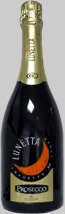
But the menu did pose problems for someone like me who prefers wine to beer. I know that beer is supposedly best. I was told this by the guys at Chronicle Wine Cellar, who tried to persuade me not to buy wine that day. But I think gewurztraminer and rieslings do work well with curries, so I asked the Chronicle Wine staff for a recommendation and they suggested I try either the 2003 Chateau d'Orschwihr Gewurztraminer Bollenberg ($14.95) or the NV Cavit Prosecco Lunetta ($7.95). I bought both, to try out a little experiment.

We opened both before dinner, and I had sips of both before eating. I was extremely impressed by the NV Cavit Prosecco Lunetta, which I think had excellent QPR. It was fresh and round on the palate, and the nicely bubbling glass was pleasantly refreshing. It was toasty and a bit yeasty, with I found a nice counterpoint to the typical lemony essence of prosecco. Sometimes a prosecco at this price point can be a bit harsh and acidic, but not this one. With the food it stood up to the strong flavors without overwhelming them, and while I've never had a sparkling wine with Indian food after this I have to say that prosecco was a great recommendation. I wouldn't necessarily pull out your finest French vintage champagne, but the prosecco was very good indeed. This Lunetta would be an excellent holiday pour, good with a variety of foods and extremely affordable. Striking label, too. Thanksgiving?

On to the 2003 Chateau d'Orschwihr Gewurztraminer Bollenberg, which I rank as having good QPR. (here's a label shot from an earlier vintage--but the label looks the same). I'm not as familiar with Alsatian Gewurztraminer, which is less dry than new world bottlings. It was deep and golden in the glass, and had really interesting honey, peach, and apricot aromas. The first sip, without food, was over the top and sweet. This is definitely an off-dry wine. With the food however, espeically the highly seasoned cabbage and some spicy chutneys, this wine was very nice. But I did feel that it may be overwhelming the food, rather than complementing it. I found it interesting that the CWCellar staff felt that riesling was too lean and wouldn't stand up to the food as well as the gewurztraminer.

So the jury is still out on Indian food and wine. I have yet to feel like I know the wine to go to--never mind the maker--when I'm thinking of cooking up a Keralan feast like this. Any readers with suggestions or recommendations, please leave a comment.