Showing posts with label loire. Show all posts

Sunday, October 09, 2011

Something to Celebrate

Five years ago, on 7 October 2006, I wrote my first blog post after going wine shopping. Here we are, more than 714, 000 visitors later. As with most things in life there have been ups and downs, some bumps in the road, and some unexpected miracles which led to unexpected hiatuses in posting. Thanks for sticking by me through thick (when I wrote a post a day) and thin (when I wrote no posts for months) and everything in between (like now, when I'm doing my level best to post every Monday and Thursday--or in this case, Sunday and Thursday).

Since a 5th Year Anniversary is something to celebrate, today I've got a round-up of under $20 sparklers for you. They come from Italy, France, and Austria. And because they're affordable you don't need any particular excuse to buy one and open it just because it's Monday!

2009 Weingut Markus Huber Zweigelt Hugo ($18, domaineLA; available in market for $16-$17) A nice choice in sparkling roses under $20, this is made with Zweigelt, and has distinctive strawberry aromas and flavors. Very yeasty (almost beery) in terms of the carbonation, this is a more rustic sparkling wine perfect for charcuterie or a plate of grilled sausages. Very good QPR.

N.V. Clos de La Briderie Crémant de Loire Brut Pureté de Silex ($15, domaineLA; available in market for $16-$19) Very good for the price, this wine is made with Chenin Blanc, Chardonnay, Cabernet Franc, and Cabernet Sauvignon under biodynamic growing protocols. The color is rose-gold, and the bubbles are medium-sized and long-lasting. Crisp citrus flavors are paired with richer notes of bread dough and toast. Even Champagne lovers will be impressed with the quality and depth of flavor for $15. Excellent QPR.
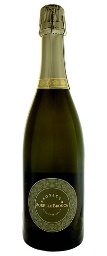
N.V. Sorelle Bronca Prosecco di Valdobbiadene Extra Dry (under $20 at domaineLA; available in market for $14-$18) Clean lemon and lemon-blossom aromas and flavors, and the bead is quite small, which makes for a fun, frothy Prosecco that is good enough to be had on its own as opposed to mixing into Bellinis. Very good QPR.

N.V. Voveti Prosecco di Conegliano-Valdobbiadene (suggested retail, $17; available in market for $12-$15) Greenish in color with small bubbles. this wine is part of a new venture in wine making from a Spanish/Italian team. The partnership really shines in this wine which has the apply/bready notes of Spanish sparklers and the citrusy notes of prosecco without any bitterness or excessive yeastiness. Crisp, but can stand up to food especially vegetables and fish. Very good QPR.

Full Disclosure: I received a sample of the Voveti for possible review.

Monday, September 20, 2010

Enjoying Wine: Lessons from France (Part 1)

Recently, I spent some time in France. While I have been to the country before (once as a teenager, and again with a teenager in tow), this was the first time I really got to enjoy its wine culture.

And I loved it.

What follows are some observations of how drinking French wine in situ has changed my thinking.

The pleasures of a chilled Cabernet Franc... Our first lunch was at a lovely bistro in the 1st arrondissement, Restaurant Paul. (photo of the restaurant, above, from allaboutnice) We'd traveled for 20 hours, taken a brief nap, and then walked from the Marais down along the river to this wonderful restaurant. There, we had typical bistro fare (I had some wonderful lamb) and a bottle of 2007 Couly-Dutheil Chinon La Diligence from the Loire. (available in the US for around $21) It was served very will chilled--colder than most whites are served in France--with condensation beading up on the outside. Inside was a refreshing red with autumnal currant, leaf, and green pepper aromas and flavors. The entire experience was relaxing, unfussy, and unpretentious. Lesson learned: temperature matters--but you should experiment until you find what works for a particular wine, food, setting, and your own palate.

Excellent, affordable wine can be found on most wine lists... Many people imagine that purchasing wine at French restaurants will be a daunting business, and expensive, too. That's not what we discovered when we had dinner at Le Violon d'Ingres in the 7th arrondissement. Yes, there were white table cloths and attentive waitstaff. There was excellent food, like roasted pigeon and the most amazing egg dish I've ever tasted that involved a poached egg inside a crusted shell with truffles. There were treasures to be found on their wine list, too. A restaurant always endears themself to me when they are serving good Champagne by the glass--as in Taittinger Brut Prestige--which we had with our first courses. Then we moved on to the 2008 Domaine Chanzy Mercurey 1er Cru Les Carabys--which cost less than €40. This lovely, layered wine had fruity apple and lemon aromas and flavors laced with nutmeg and oak. It was both bright and rich, and paired with a variety of food. Lesson learned: just because you're in France doesn't mean you have to order the most expensive thing on the wine list in order to be happy. Try something that expands your wine knowledge rather than deflating your checking account.

Rosé, Rosé, Rosé... What's not to like about this? Everywhere you looked, someone was sipping rosé. We had a wonderful rosé recommended by the local wine shop, the 2009 Château Minuty Côtes de Provence Reserve. (available in the US for around $25) The blend includes Grenache, Tibouren (new to me!), Cinsault, and Syrah and is pale salmon in color. The wine was quite dry, with aromas and flavors of frais de bois, yet the overall impression was rich and full. We also sipped a 2009 Domaine de l'Olivette Bandol Rosé at lunch at Les Editeurs in the 6th arrondissement while we munched on salads and sandwiches This fresh, savory wine was also pale salmon in color with subdued strawberry fruit and a slightly saline note. Lesson learned: if the French are drinking this wine morning, noon, and night it can't be THAT unsophisticated. Get over any lingering rosé complex now, and stop apologizing to friends for serving it.

To be continued...

Wednesday, April 01, 2009

No, This Is Not a Joke: Malbec from the Loire

Happy April's Fool Day. Today I've got a wine that seems like a joke, but isn't. It's a Malbec from the Loire Valley of all places.

When I think Malbec I think of sunny South America, but the grapes for this wine come from one of France's cooler viticultural areas. In France, they call Malbec Côt, and it's been grown in France for centuries. To find out more about Côt, check out these articles on AbleGrape.

The 2005 Mikael Bouges Les Côts Hauts was deep purple in color and had grapey aromas and flavors. Overall, I found it rustic and a bit thin. I was expecting something green and tannic, but instead all I tasted was blue and purple.

I got this wine from Garagiste for $11.83--and I must say that I felt I paid too much for this wine. If it had been around $8, I might have felt differently, but at this price it represented poor QPR.

Of course, I bought it for the curiosity value--Malbec from the Loire? If you are interested in tasting a Côt wine, there are plenty available in the market for between $8 and $30. If you take the plunge, let me know how it turns out. I'd love to know if this Côt was typical, or if I should give Côt another try.

And if you're looking for some more April Foolery, check out The Dregs Report, a tongue-in-cheek look at the world of wine.

Wednesday, February 04, 2009

New Grape of the Month: Tressallier

Once again, a new grape has crossed my dinner table.

This time it's Tressallier, a grape described by Jancis Robinson in The Oxford Companion to Wine as "a white grape variety grown in the Allier.... It is certainly traditional there, but not unanimously acclaimed nowadays."

Oh dear. Talk about damning something with faint praise.

With some trepidation I pulled the cork on my 2006 Château Courtinat Tradition Blanc. I purchased it from Garagiste for $13.86, and like most Garagiste wines it's difficult to find, although I think this shop may have the 2007 vintage (I'd check to make sure it's not Ch. Courtinat's red bottling before I ordered it).

The wine is made from 70% Tressallier grapes and 30% Chardonnay, and it wowed me. It didn't wow me because it was over-the-top or because it was the best white wine I've ever had, but it did impress me with its pronounced aromas of ripe Bosc pear. The flavors were more tart, full of waxy lemon notes with a bitter aftertaste. The wine tasted fresh and clean and was a nice change of pace from the wash of Chardonnay and Sauvignon Blanc. It was lower in alcohol, too, at 12-12.5% alc./vol.

Because of the slightly bitter aftertaste, this wine will be much better with food than without and when you're picking something to pair with it I'd steer towards lemon-inflected poultry or seafood. We had it with a smashing shrimp and goat cheese risotto that included tiny amounts of lemon peel, ginger, and parmesan cheese and the wine was stunning with it.

I should warn you that I'm starting to get a serious crush on wines from the Auvergne like this one. Some are designated as wines from the Loire, and others as wines from the Midi. However they're labeled, I think they're fabulous, unpretentious, and delicious wines with great value. So look forward to seeing more reviews of them here.

Wednesday, October 01, 2008

Pineau d'Aunis: The 89-Point Grape

When I read the wine magazines--and yes, I do read them--there are times when I see an 89-point review and it seems like a travesty, based on what I think a wine delivers in terms of flavor and bang for the buck. Then there are are times when an 89-point review seems like over-inflated hype, for exactly the same reasons.

And then there are the times when I wonder if a wine has received an 89-point review from a major magazine because somebody lost their nerve on the way to a 90+ rating and settled for something a little more safe. It often happens when the grape is weird, or unfashionable, or both. It can even happen when the winemaker or region is weird and/or unfashionable.

Today I'm reviewing just such a wine: the 2004 Domaine de Bellivière Coteaux du Loir Le Rouge-Gorge. ($14.99, K & L Wines; the 2005 vintage is available from other merchants for $17-$25) It received an 89 from Spectator, and try as I might I wasn't able to find any Pineau d'Aunis that had ever received more than an 89 from the magazine. (I could be wrong on this point, but I spent 3 hours looking through the database before I gave up. If I am wrong, I'm sure that someone from WS headquarters will be by to correct me.) This 89-point and below niche for Pineau d'Aunis is surprising, given the fact that the wines are often described as exhibiting textbook varietal characteristics. So what's the deal?

I'm not the only person asking this kind of question regarding wine scores. If you want to see what other writers are wondering about wine scores, check out dhonig's collaborative 89 Project blog. For those of you who aren't familiar with this effort, dhonig gathered up a bunch of interested folks and asked them to be on the lookout for wines that received 89-point ratings from the major wine critics. 89-point wines are, in the words of dhonig, "the red-headed step children of the wine world." The 89 Project gives us a chance to take a second look at some overlooked wines and, in doing so, discover some truly interesting and often affordable treasures that those who are slavish to shelftalkers will see right through at the store.

Treasures just like Pineau d'Aunis. Domaine de Bellivière is a family-owned winery in the Loire that specializes in making wine from two of the region's traditional grapes: Chenin Blanc and Pineau d'Aunis. While Chenin Blanc has gained some traction among American wine drinkrs, Pineau d'Aunis is a relative rarity over here. And it's not likely to become any more widely accepted, given the fact that the wine normally scores below 90 points with most wine critics.

One of the reasons for these scores may be that Pineau d'Aunis will simply not be to everyone's taste. It's a grape that actually seems to try to make you wrinkle up your face and wonder what you're drinking. The defining character of Pineau d'Aunis is often "pine"--a slightly resinous, green, and herbal quality to the wine that some people react to as if you'd just poured Pine-Sol into their Pinot Noir.

So what was my reaction to the 2004 Domaine de Bellivière Coteaux du Loir Le Rouge-Gorge? At first I was reminded of a gamay from the Beaujolais by its dark ruby color and the light-medium body of the wine. The aromas of topsoil and forest floor were also not unlike Beaujolais, which I often find has a wonderful earthiness. The flavors of cherry, earth, and spice were strong and definite, which will make some people love it,and others hate it. Pineau d'Aunis is at its best--like many wines--with food. This is not really a stand-alone wine unless you are wanting to come to terms with it on an intellectual level. This is only going to work with food, and then think about something earthy like mushrooms, truffles, beans, and charcuterie.

This is not a big fruitbomb: fat and sassy and easy to love. What it is, however, is textbook Pineau d'Aunis. And for under $15, it is certainly a very good QPR choice if you are looking for a traditional bottling of a very special grape. As such, shouldn't it get more than a B+? I sure think so, and so does Parker who didn't lose his nerve and gave it a 90 instead of an 89. Are there other grapes that routinely get consigned to the under-90 bin? If so, let me know what they are because I'd love to try some more of them. If they're as interesting as Pineau d'Aunis, they'll spice up my evening glass of wine for years to come.

Wednesday, June 04, 2008

Summerwines for Summertime

As you may have been able to tell from yesterday's post, I'm in the mood for summertime. When the temperatures climb there's nothing like a chilled white wine to put a smile on your face and a bit of pep in your step. In the summer, I tend to like wines that are either bracing (think: New Zealand Sauvignon Blanc) or brightly floral (think: Riesling, Gewurztraminer, Rhone whites, Spanish Verdelho). Recently I had two whites that are widely available that fit the bill for summertime white wines perfectly.

The first wine, from the bracing side of the coin, was the 2002 Domaine des Baumard Savennieres. ($17.29, Costco; available for $16-$22 through online merchants) Loire fans like fellow wine blogger Brooklynguy think highly of wines from this region, and I've picked up a few of them over the years and not been disappointed with any of them. This bottling was a very good QPR example of a French Chenin Blanc with some age. Chenin Blanc can be held for quite a while if you've got a good cellar or wine fridge, so it's not one of those white wines that you have to drink before the summer is over for fear it will get tired. I purchased this bottle a year ago at the Costco in beautiful downtown Burbank, and was worried it was corked when I first opened it, but any possible taint blew off quickly. Once poured, the wine was pale straw in color. It had abundant and easily detected aromas of lime, chalk, and almonds. The flavors were also nutty, citrusy (somewhere between a lime and a lemon), and had some nice mineral notes thrown in there. The flavors were piercing and very intense, but not acidic or sharp. There was a chalky aftertaste left in your mouth after you sipped it. We had it with a citrus-rubbed salmon grilled on the BBQ and an Asian-style spinach salad with orange and avocado and the wine's citrus notes paired beautifully with all the citrus in the two dishes.

From the floral camp I tried a 2006 Pyramid Valley Kerner Estate Pinot Blanc from New Zealand. ($22.80, Garagiste; available through online merchants for $24-$32). Even though this wine is a little pricey, it is still an excellent QPR choice for the flavor and quality it delivers and is well worth the splurge if you are having a special dinner in June for a graduation, Father's Day, or pre-wedding event. Like the Baumard, the Pyramid Valley wine was noteworthy for its intensity of flavor and aroma. But in this case the aromas were of apple, honeysuckle, and beeswax and the flavors were of honeyed apple and stone. The wine had a juicy aftertaste and would be a nice change of pace for lovers of dry Riesling. It was so good we fought over who would get the last bit from the bottle! We had it with an equally aromatic dish of pork medallions with a light Chinese sauce of ginger and lemon. The honeyed notes in the wine paired beautifully with the ginger.

Whether you like your summer white wines bracing or floral, or somewhere in between, there are a lot of wallet-friendly choices out there for you to try. And stay tuned for next week's Wine Blogging Wednesday because white Rhone varieties make for terrific summer drinking, too.

Wednesday, April 02, 2008

Wine Blogging Wednesday #44: French Cabernet Franc

It's time for the April edition of Wine Blogging Wednesday, Lenn Thompson of Lenndevours' online tasting event. This month, our host is none other than Gary Vaynerchuk of Wine Library TV. Gary is a well-known Cabernet Franc fan, so he asked us to drink a French Cabernet Franc. This led to the usual frazzled searching as folks scrambled to get their hands on the perfect wine. I let domaine547 do the searching and I just did the buying. I ended up with a great example of the grape.

Cabernet Franc is a grape that many people drink in Bordeaux or Meritage blends without even knowing it. It's often mixed with Cabernet Sauvignon, as it has less acid and contributes peppery and flowery notes to blended wines. Cabernet Franc is one of Cabernet Sauvignon's parents--its other parent is Sauvignon Blanc--and its resistance to cold temperature and rain makes it a popular grape in regions that experience harsh weather. Today, it is grown not only in France, but also in Italy, Australia, Canada, Hungary, Spain and the US.

The grape is especially popular in the Loire valley, where it has been cultivated since at least the 1700s (and probably even longer). Domaine Noblaie, the maker of my wine, combines the best traditions of the Loire with the best new wine-making and cultivation practices. The hillside where the grapes are grown in the Chinon AOC have been producing grapes for four centuries. The grapes that go into this wine come from 40-80 year old vines. Francois Billard, a former viticulture professor, owns the operation. And his 24-year-old son, Jerome, makes the wine. How's that for mixing up tradition and change, history and the promise of the future?

And that promise is delivered in the 2004 Domaine de Noblaie Les Chiens-Chiens. It was, quite simply, the most enjoyable Cab Franc I've ever had. ($15.99, domaine547--and sold out, but the 2005 is in stock; 2004 available elsewhere for between $16 and $19) Not everyone is a fan of Cabernet Franc, but this wine really convinced me that there are good, affordable options out there for you to try. When you open this bottle, its smoky, vegetal, and red fruit aromas combine nicely. No one aspect of the aromas dominated, but you could definitely detect each individual feature. I found the same elements--smoke, bell peppers and herbs, and red fruits--in the flavors as well, and the wine turned more and more smoky in your mouth as you swallowed it. The wine had a medium body, and a nice texture in the mouth, managing to seem both airy and substantial at the same time. I drank the wine over three nights, and the wine's vegetal aromas and flavors grew less pronounced each night indicating to me that some of these more assertive characteristics may soften in time. That said, this was a delightful wine to drink now, and represented excellent QPR.

Cabernet Franc, in my experience, is a wine that is at its best with food, and this wine was no exception. The Les Chiens-Chiens' smokiness made it especially well-suited to BBQ (we had it with BBQ chicken and it was excellent). If you like the wine's vegetal apsects, however, make yourself a peppery pasta to go with it. Boil some farfalle until al dente (about 10 minutes), and drain it, reserving 1/2 cup of the cooking water. Then toss some chunks of green and yellow pepper in a saute pan with chunks of red onion and some olive oil and saute them for about 5 minutes until tender. Remove the peppers from the pan, and add a touch more oil and 2 sliced garlic cloves. When you smell the garlic, toss in a pint of halved grape tomatoes, a pinch of red pepper flakes, and some pepper. Cook for about 3 minutes more, squashing the tomatoes slightly to release their flavor. Taste it for seasoning, and add salt as required. Then add the vegetables back into the pan along with the tomatoes, add the pasta and the reserved cooking water, and cook for a few more minutes until the pasta is tender and the juices have thickened and coated the pasta. If you have some leftover cooked sausage, cut it on the diagonal and throw it in with the vegetables to heat it through, too. Top with your favorite cheese and enjoy with your Cabernet Franc. This recipe will really bring out the peppery, smoky, and fruity qualities of the wine.

Cabernet Franc may be an acquired taste, but once you're hooked, you're hooked. This wine did more than any other I've had made by with the variety to help me get what all its fans cherish about it, since it managed to be fresh and smoky as well as fruity and vegetal. Thanks to Gary Vaynerchuk for a great theme, and as always you can check back here in a few days for links to what promises to be an epic roundup of tasting notes from bloggers, readers, and other Vayniacs--as well as the announcement from Tim Elliott of Winecast regarding WBW #45.

Wednesday, March 12, 2008

Beating the Late Winter Blahs with Gamay

Think Gamay and you probably think Beaujolais. I hope you think real Beaujolais, but maybe you think Beaujolais Nouveau, the grapey brew that arrives just before Thanksgiving in time for your leftover turkey sandwiches. Gamay is one of the world's most food-friendly and affordable red wines. It's also the perfect wine for beating back winter blahs and blues. (image from Kobrand USA)

The next time you're in the wine store, I want you to keep your eyes peeled for Gamay. But don't just look for Beaujolais bottlings. Look for a Gamay from the Loire. The Loire also has a strong tradition of cultivating this old grape variety. Gamay is grown throughout the Loire, and it tastes a bit different from Beaujolais examples. This isn't surprising, but it confirmed my sense that the Gamay variety can have the same interesting variations from region to region as the finest Pinot Noir--at a far more affordable price.

I recently tried an excellent QPR Loire Gamay: the 2006 Chateau Courtinat Tradition. Made exclusively from old vine grapes grown in the Saint Pourcain VDQS, I bought this from Garagiste as a future for just under $12 ($11.84 to be exact) in the fall. It's no longer available through Garagiste, and I unfortunately can't find it elsewhere on the web. But I wanted to write about it anyway because it was so distinctive--and so good.

It had a beautiful deep ruby color, just like your favorite Pinot. There were lovely aromas of raspberry, cherry, earth, and mushroom with a pronounced whiff of iron. The flavors were perfectly balanced between fresh red fruits, earthiness, and mouth-watering acidity. I liked the silkiness of the wine, and the mineral taste, that reminded me of iron, that hung around in the mouth after you swallowed. The sense of depth in this wine belies its 12.5% alc/vol indication. This may not pack an alcoholic punch, but it certainly isn't a lightweight in the taste department.

At a time when many of us are struggling with the late winter blahs, Gamay is a perfect wine choice. It's not too light, it's not too heavy--it's just right. It will be just as good now with a bowl of soup as it will be in a month or so with ham (if that's what sits on your spring table) or even in June with some BBQ. Right now, you can give yourself a nice jolt of the summer eating to come by preparing a Greek pasta dish with olives, capers, tomatoes, feta cheese and lots of parsley. It will blow some of the cobwebs out of your winter diet, and the garlic and feta are just lovely with the smooth, cherried flavors of the wine.

It's time to bring some excitement back to your wine list, and your table. All the things that make Gamay a perfect fall-into-winter wine make it a perfect winter-into-spring wine as well. Drinking Gamay is kind of like putting your wine habits on daylight savings time--it's a sure sign of spring.

Thursday, February 07, 2008

Grape Variety #92: Pineau d'Aunis

It's pink. It has bubbles. It's under $15. It's Pineau d'Aunis.

It's what?

Pineau d'Aunis is a red grape variety that is native to the Loire. Popular in the late medieval period among those who could afford it, Pineau d'Aunis is relatively obscure today. With spicy flavors inflected with what some call piney and others graphite notes. The grape can also make a sparkling wine, which is even harder to find than the still reds made with this variety. In my hunt for the seldom-sipped to fill out my Wine Century, this was definitely a grape on my "must taste" list.

Vincent Girault, the winemaker at the biodynamic and organic Chateau Gaillard, makes just such a wine, and when I had the chance to buy it from Garagiste back in June, I jumped at the chance. Doktor Weingolb has had a Cab Franc made my this maker, and Girault also makes two sparklers, a NV Brut and this NV Rose Brut. I've had both, and definitely prefer the rose. As usual with the biodynamic wines I've tasted, I found that this wine had a nice mineral twang as you swallowed the wine.

The NV Chateau Gaillard Cuvee Charlette Voyant was a dry rose sparkler with very good QPR. (Garagiste, $11.84; unable to find this one online at any merchant). The wine had aromas of those tiny little European wild strawberries which are always a bit tart. Accompanying the strawberries in the flavors was a pleasant creamy note and a bit of stone in the finish. When you poured the wine there was lots of frothy mousse/foam, and a relatively large bubble or bead. Still, it was a great sipper, especially for early spring, and a definite conversation piece.

I know lots of folks are looking for sparklers for next week's celebrations, so if you are on the hunt for a wine to share with your loved one on Valentine's Day, ask your favorite merchant if they stock a sparkling wine from the Loire. You may not be able to find a biodynamic Pineau d'Aunis based sparkling wine, but you still may find something with great QPR.

Wednesday, January 02, 2008

Elegance in a Bottle: the 2005 Francois Chidaine Clos du Breuil

Francois Chidaine is a name that crops up frequently on blog sites where folks know their Loire wines. David McDuff, of McDuff's Food & Wine Trail, visited Chidaine in 2004, and wrote up details of his trip this December. I felt like I knew some important things about their wine before I pulled the cork as a result of David's post: most of his grapes are grown biodynamically (though he doesn't make a fuss about it); Chidaine believes in terroir, and tries to produce wines that reflect that belief; and that the Chidaine business is run to highlight the grapes, rather than the talents of the winemaker. Despite this last philosophy, Chidaine is a rising star in the region.

Deservedly so, in my limited opinion. We opened a bottle of the 2005 François Chidaine Montlouis-sur-Loire Clos du Breuil on Christmas Eve, and it was a special wine completely suited to a special dinner. (domaine 547, $20.99) This was all the more impressive given it's low price-point and its understated and elegant aromas and flavors. Glimmering straw in color, the wine had the aromas of early spring: citrus, apple, wet stone, and chamomile. These are aromas I associate with chenin blanc grapes, which is what goes into this Chidaine wine. The palate was elegant and steely, with soft apple, fresh-mown hay, and more stone in the flavors. Truly excellent QPR, and well worth going just .99 above $20. You could spend twice as much on a wine and not feel so satisfied.

We had the wine with the Barefoot Contessa's rich seafood gratin. People with cardiovascular systems that are not in perfect condition may want to do as we did and substitute half and half for the cream--and milk would work, too. Flecked with saffron, filled with chunks of seafood and fish, and topped with a crisp crumb topping accented with tarragon, this was a meal that needed a wine that would cut through the richness with some acidity but not overwhelm the delicate shellfish. It was a very good pairing.

The 2005 Francois Chidaine Clos du Breuil was a beautifully made, beautifully balanced, and very pleasing wine. When I thought back on it the next morning, the image of an ice skater came to mind--elegant, balanced, but with a steely core that helps them slice across the ice in perfect figure eights. This is a case where I think my Chateau Petrogasm review for this wine expresses the wine more perfectly than words. That's how I'll always remember this wine, and the winter celebration that it paired with so well. And I'll most certainly be on the lookout for the other wine that Chidaine makes.

Wednesday, October 24, 2007

Spa Wine

Sometimes you want a big wine, a wine that' s bold and brash and practically a meal in itself with chewy tannins and lots of body. But sometimes you want something light, lean, and fresh. I call these "spa wines," wines that seem to refresh you and clear the cobwebs out of your palate as much as a day at the spa. I often find myself drawn to this kind of wine after a long day at work, or if I've been drinking too many brawny reds and eating too much steak.

A wine that certainly qualifies as a "spa wine" in my book is the 2005 Domaine de la Fruitière Muscadet de Sèvre-et-Maine Sur Lie Cuvée Petit M. ($8.95, Chronicle Wine Cellar; available elsewhere for between $8 and $10) This wine had delicate fresh lime and mineral aromas, which conjured up images of citrus trees and walks on the beach. When you sipped the wine, it had light and lean lime, grapefruit, and stone flavors. This muscadet was lithe and supple like a yoga class, not heavy and muscular. This was not a terribly complex muscadet, but is was delicious, and at under $10 it certainly represented very good QPR.

With such a light wine, I certainly didn't want to weigh it down with heavy or rich food. This wine screams out for shellfish or fish. While it is a brilliant pairing for something as light and lean as it is, it could handle something a bit more decadent, too. We had it with an Asian salmon rice bowl with lots of lime and some tangy cucumbers and it was lovely. But the last bit of the wine was just as good with a decadent Nigella Lawson shrimp and mango curry with coconut milk. This is in her new book, Nigella Express, which is due out next week (Oct. 30) here in the US. I scored a copy in England last month, and can testify that the curry recipe is worth the price of the book. Not precisely spa food, with all that coconut milk, but awfully good nonetheless.

Monday, September 24, 2007

Falling Leaves Wine

I love fall. It's my favorite season, and it always takes me back to college days in New England, when the crunch of falling leaves and the smell of apple cider seemed to surround you in a colorful cloud.

Here in LA, we do have fall. Honestly. Friday night marked the beginning of this fall season, with the hint of rain in the air and a definite coolness. A friend stopped by after work and we curled up on the sofa with a bottle of a very fall-ish wine from the Loire. (Wine Blogger minds often think alike; Joe from Joe's Wine was also opening up a Loire red this weekend!)

The 2005 Domaine de la Charmoise Gamay comes from the Loire's Touraine appellation rather than the from the Beaujolais region of Burgundy that is usually associated with the gamay grape. ($13.00, Colorado Wine Company; available at other merchants for just over $10) The wine opened with a bright ruby color, and a disconcerting smell of tinned green beans and asparagus. Despite the aromas, the palate was pure bing cherries with a little bit of spice around the edges. As the wine opened, the vegetal aromas were replaced by more spice and fruit and the flavors knit together into an attractive cherry, smoke, and clove profile. I actually think this wine would benefit from short-term cellaring, perhaps for 6-12 months, and may even improve further after that based on how much the wine changed over a few hours. This had many of the textbook characteristics of gamay, and represented very good QPR.

Domaine de la Charmoise is owned by Henri Marrionet, who believes that his corner of the Loire's terroir is best suited to gamay, cot (malbec), chenin blanc, and ramoratin grapes rather than the better known cabernet franc and sauvignon blanc. Marrionet uses minimal pesticides, and his gamay is fermented with indigenous yeasts so there is not a note of banana or bubblegum in the wine. There is an excellent profile of Domaine de la Charmoise (as usual!) on the Wine Doctor's site, if you are interested in learning more.


Enjoy the first wines of fall!

Monday, June 18, 2007

The Loire's Answer to Summer

Summertime. Even if living isn't easy, it sometimes seems easier with the long summer twilights, cooking outside, and lots of entertaining. Even finding summer wines can be easy, as long as you remember that they, too, should reflect the season. But sometimes a "simple summer sipper" is not what you're looking for. You want a wine that fits summer's easy-going mood, but has a little more brains than a quaffer. That's when I reach for a white wine from the Vouvray appellation of France's Loire Valley.

Vouvray wines are produced from 100% chenin blanc grapes, the marvelously versatile white varietal that can make dazzling dry, off-dry, and sweet wines in both sparkling and still varieties. The varietal seems especially able to soak up the influence of the soils and earth in which it was grown. In the Loire, most of these soils are full of limestone and minerals, which imparts a nice, stony edge to the grapes that are grown there. This stony, mineral-inflected profile of a good Vouvray is what makes for a refreshing summer white with brains.

I recently had a dry vouvray that had excellent QPR and was a terrific summer white: the 2005 Champalou Vouvray ($14.99, Mission Wines; available from many merchants for between $10 and $17). I've had this wine twice, and it impressed me each time with its aromas of lemon blossom and minerals and its summery straw color. It is intensely aromatic, but even more flavorful, with pure lemon essence, herbal, and stone notes. I found this wine was perfectly situated on the cusp between dry and off-dry, so it would be perfect for Indian food or other highly flavorful or spicy food. Try it with some tandoori shrimp skewers done up on the grill with a mint and cilantro pesto dipping sauce for a perfectly easy, and perfectly delicious, summer meal.

Catherine and Didier Champalou's wine-making efforts are profiled over at the Wine Doctor if you would like to find out more about them. They make some excellent value Vouvrays, and are a producer to keep your eye out for if you are looking for a reliably good producer.

Tuesday, May 08, 2007

When Reds are Green

When you think red wine you typically think of warm red fruits, warm red spices, and warm red aromas.

But sometimes, red wines are green. And what's more, they're supposed to be. (photo by Ian Britton from FreeFoto.com) Take cabernet sauvignon and cabernet franc. The varietal characteristics of both of these wines indicate that some green bell pepper, asparagus, and herbal notes are to be expected. Of course, if you let them ripen to their maximum capacity in hot vineyards, much of the green vegetativeness of the varietals will simply cook off. Often, oak barrels take care of any last vestiges of these flavors especially in the New World where fruit-forward wines are not only common, they are preferred by many drinkers.

If you drink mainly New World wines, these vegetal flavors in red wines can come as something of a surprise--and not necessarily a pleasant surprise, either. Too many vegetal red Bordeaux led Parker to start the The Wine Advocate in order to ferret out the green from the red since he felt the green wines were under-ripe.

Recently, I had a green red, the 2004 Chateau du Hureau Saumur-Champigny ($7.99/375 ml, Mission Wines; 750 ml from other merchants for under $15) In this wine, the red fruits are a minor player, accompanied by vegetal and herbal notes in both the aroma and the palate. Decanting for an hour helped the fruit come forward a bit, which indicates that this wine may become more fruity over time, and it also helped to take the herbal notes and make them more intriguing and less overpowering. If you buy this wine, I would recommend keeping it for another year, or decanting it for 2-3 hours, or both. And food really helped to manage the assertive green flavors, so I would recommend that you serve it with something red and green, like rosemary marinated steak or pepper steak with lots of peppers.

This was certainly not as round and lush as the 2003 vintage of this wine that Brooklynguy had recently, and not as fun and inviting as the Vinum "Scrapper" Cabernet Franc I tasted a the Family Winemakers. And if you're not a CabFranc fan, this isn't the wine for trying the varietal out. Though I wasn't a huge fan of this wine, and its flavors weren't as integrated as they should have been, with its strong varietal characteristics it still represents good QPR. And if you've not tasted a green, old world wine, or have ever wondered why Parker loves his jammy, extracted fruits, this would be a good wine to try just to see what all the fuss is about.

Thursday, March 22, 2007

Dining Solo by the Sea

Sometimes, you have a special bottle of wine you want to drink, and that dictates what you're having for dinner that night. Other times, you know what you want to eat, and will go out and get a bottle of wine even if you have a cellar full in order to feed the need.

Yesterday I knew that before the sun had set I was going to have an ample plate of linguine alle vongole. I wanted to think I was by the sea, with the saline tang of the air in my nose and the taste of fresh seafood on my lips, perhaps because after several days of warm summery weather we are back to rain and sweaters (I know no one outside LA thinks this is a particularly dramatic weather tale). And I was alone for the evening, so I could do exactly as I pleased in the food and wine department.

So I went out and bought some beautiful Manila clams from Whole Foods--or Whole Paycheck as it is known in our house and many other houses-- and set them in a bowl of water so they could spit out any last sand they had carried with them from the ocean. While they sat, I put a pot of water on to boil. Once you let the clams soak for 30 minutes or so, and the water's ready, you're only about 7 minutes (including such onerous prep chores as mincing garlic and chopping parsley) from the meal itself.

I made my linguine alle vongole from Nigella Lawson's recipe in Feast, but it's not online and Tyler Florence's is, so here's a link. (For what it's worth, the idea of topping it with breadcrumbs is awful, so I'd skip that "option" if I were you.) Ms. Lawson includes this wine in her section dedicated to dinners for one--which she says are the most important meals of all to make and revel in. So, no drinking wine from a box or poking through my limited collection of half bottles of wine for me tonight! I was going to celebrate dining solo and open a bottle of muscadet from the Loire coast to go with my linguine.

I'm not sure why I thought this pairing would work, but I think it had something to do with my conviction that Loire whites often have a nice, mineral tang that would go well with my clams. The 2004 Chateau de la Preuille Muscadet des Coteaux de la Loire ($13.95, Chronicle Wine Cellar; also available at Terranova and WineSellar.com for around $20) hails from the Nantais wine region which borders the Loire as it approaches the sea. Made from melon de bourgogne grapes (also known as muscadet) it was aged in barrels with the remnants of the yeasty lees left over from fermentation. This aging method makes the wine more complex and rich. It's bright gilt color conjures up images of sun and sand and the golden flesh of Anjou pears. Once you sip this, your immediate first impression is of a round and dry white, with pronounced mineral aromas and light whiffs of citrus and pear. As the flavors develop in your mouth, the citrus and pear take over, moving the mineral notes to the background for a juicy finish. This would be a nice change of pace for folks who like unoaked chardonnay, with its interesting minerality and round, full feeling. This wine represented good QPR and certainly will encourage me to try some more muscadet from the Loire. And it was darn good with my linguine.

One of the things I like most about wine is the way that it can transport you to different times and different places. Drinking my Spanish wine the other night, I could almost feel that I was sitting under one of those Spanish windmills, hearing the creak of the blades as they turned in the wind. With my clams and Loire white I found myself dining alone in some imaginary Franco-Italian seaside.

Not bad for $13.95.