Showing posts with label very good QPR. Show all posts

Monday, June 25, 2012

Wine That Stands Up to Pesto

It's officially summer. Unofficially, it's basil season. Right now, I am overwhelmed with the stuff. Pictured to the left is one of my behemoth basil plants. Having a lot of basil isn't exactly a problem, I admit. Who doesn't love basil? But for wine lovers, basil can make for difficult pairings. This is one assertive herb, and you need a wine that isn't going to clash with it, nor do you want your wine to disappear on the palate.


My usual go-to wine when strong green, herbal notes are part of a dish is Sauvignon Blanc. But New Zealand Sauvignon Blancs are often quite citrusy, and US Sauvignon Blancs can be too melony and soft for basil. So I opened a Chilean Sauvignon Blanc--and it was perfect with my linguine tossed with homemade pesto and topped with some heirloom cherry tomatoes.


The 2011 Viña Carmen Sauvignon Blanc Gran Reserva (available for $13-$15 in the market) is made from grapes grown in the Leyda Valley. It has vibrant aromas of grass, gooseberry, and that uniquely weird smell of boxwood that I often smell in Sauvignon Blancs from the southern hemisphere. This wine was green and leafy rather than citrusy, with a backbone of acidity that was neutral in flavor but kept your mouth watering for more. The midpalate was herbal, making me think 'this is what Cabernet Franc would taste like if it were white and not red.' Cool and refreshing, this stood up to the basil. If you have the wine with something less resolutely green, you may find that its assertiveness is a problem but if you have basil, this is a good wine to go with it--and it represents very good QPR.

Full Disclosure: I received a sample of this wine for possible review.

Monday, February 13, 2012

Miracles Happen: Three Worthy Pinot Noirs for $25 or Less

Pinot Noir is a budgetary nightmare for most of us. Pinot is a finicky grape, which makes it difficult to grow, which translates into expensive bottles on the shelves. And that was before the movie that put Pinot Noir in everybody's glass, displacing Merlot.

Recently, I had not one, not two, but THREE bottles of Pinot Noir that were impressive--and none cost more than $25, which is quite reasonable by Pinot Noir standards. If $25 is too much for you--or you like more traditional tasting wines--scroll down to the final recommendation. At $12, it's a steal.

2010 Davis Bynum Pinot Noir (suggested retail $25; available in the market for $20-24) This excellent QPR example of Russian River Valley Pinor Noir has full-bore raspberry aromas and flavors with a burnt sugar edge. The mouthfeel is silky, with lots of toast and spice. The finish is long, with cinnamon and clove notes.

2010 Echelon Pinot Noir Russian River Valley (suggested retail $24.99; use the winery's "where to buy" feature to find a bottle near you) For around the same price as the Davis Bynum, and from grapes grown in the same place, this very good QPR example has intense raspberry fruit with a slightly candied edge to the flavors. The aftertaste is spicy, but less complex and dominated by clove notes.

2010 Casa Silva Pinot Noir Reserva (suggested retail $12) You might not expect to find Pinot Noir in Chile, but think again. This wine was much lighter in style, which some prefer, with pure raspberry aromas and flavors. You can't beat it for the price, this is a simple and delicious expression of the grape. Excellent QPR for a wine that will appeal to fans of more traditional Pinot Noir.

Full Disclosure: I received samples of these wines for possible review.

Thursday, February 09, 2012

Sauvignon Blanc...from Slovenia

Wine is an adventure. At least that's what I've always thought. So many grapes. So many styles. So many countries to visit--even if it's only through the liquid in your glass.

So when one of my favorite addictions--er, on-line retailers--Garagiste up in Seattle offered a three-pack of Slovenian whites to try, I jumped at the opportunity. The three-pack cost around $45, which meant there was a $15 investment per bottle for a Riesling, a Chardonnay, and a Sauvignon Blanc. Recently, I opened up the Sauvignon Blanc and was extremely pleased at my first foray into Slovenian wine.

You might not think "Slovenia" and "Sauvignon Blanc" in the same breath, but there's no reason why you shouldn't do so. Most parts of the globe have a history of wine-making, and that includes central Europe. I had some amazing Merlot when I visited Prague, and have enjoyed some wonderful Romanian wine here on the blog, and one of my all-time-favorite wines from Trader Joe's comes from Hungary. As for Slovenia, they have a venerable viticultural tradition that goes back to pre-Roman times (check this site for more information). So don't be afraid to try wine from regions you may be unfamiliar with, as they often represent very good value, as in this very good QPR example.

2008 Marof Sauvignon Blanc ( purchased in a three-pack from Garagiste; available in the market for around $11) This terrific Sauvignon Blanc had tart lemon pith, gooseberry, and lemongrass aromas and flavors. It was very clean and precise, without being overly herbaceous. A nice balance of fruit and acidity made it an ideal partner for food, and you can't complain about the price! It would be excellent with all kinds of dishes, from salads, to fish, to roasted chicken with lemon. We had it with a soup made with ancient grains and vegetables, and the lively acidity was a lovely counterpoint to the earthiness of the kamut and lentils, and picked out the bright tarragon herbal notes.

Monday, February 06, 2012

Classic Cabernets for $15 or Less

There are all kinds of Cabernet Sauvignon out there. Some are too fruity for me. Some are too green. Some are too expensive. Some are too huge, with big alcohol and palate-punishing tannins.

I like my Cabernets to have a classic profile: plum and currant in the fruit department, pepper for spice, and enough acidity that I know I'm not drinking watered-down jam.

Here are three bottles that fit my preferences--and none has a suggested retail of more than $15. If you like your Cabernets big and bold or fruity and sweet, these wines may not appeal to you. But if what you're looking for is a wine that shows the grape's varietal character and an appealing price point, give one of them a try.

2009 Lander Jenkins Cabernet Sauvignon Spirit Hawk (suggested retail $15; available in the market for $7-$15) Rich plum aromas characteristic of this grape variety lead into a plummy palate with notes of mocha and eucalyptus. Though the tannins are fine-grained, they have a nice grip that will be appealing to lovers of more brawny wine. Excellent QPR.

2010 Robert Mondavi Winery Cabernet Sauvignon Private Selection (suggested retail $11; available for $8-$12 in the market) This wine has classic aromas and flavors of cassis, plum, herbs, and green pepper with smooth, well-integrated tannins. This will not necessarily appeal to fans of hugely fruity Cabernets, but if elegance is what you're after, you can't do better than this for $11. Excellent QPR.

2010 Echelon Cabernet Sauvignon (suggested retail $13.99; available for $7-$9 in the market) Another Cabernet built along classic lines, this bottle has some green pepper aromas and flavors among the cassis and cherry. There is good acidity, and tannins that area bit astringent in the mouth--which will make it a great partner for juicy beef dishes. Very good QPR (though if you find it for $7, consider this excellent QPR!)

Classic pairings for Cabernet Sauvignon include burgers, roast beef, grilled steak, and (a personal favorite from my childhood) Pepper Steak. If you're a vegetarian and want something to go with Cabernet, look for a recipe that uses rosemary like this white bean and rosemary soup recipe (sub veggie stock for the chicken stock). Rosemary and Cabernet are a match made in heaven!

Full Disclosure: I received samples of these wines for possible review.

Thursday, October 27, 2011

Exiting the Wine Superhighway with Malvasia Bianca

One of the great things about wine is that no matter how much of the stuff you taste, there is always a new adventure to be had on the shelves of your local store or at your local winery (and yes, most of us actually do have a winery somewhere within driving distance!)

Don't get me wrong: I love the taste of wine. But I also love discovering new tastes, and locating wines I like that are off the normal Chardonnay-Sauvignon Blanc-Cabernet-Pinot route. Today's wine pick is definitely out of the ordinary. Drinking it was a little bit like exiting the familiar wine freeway and taking a back road to your destination.

When I first opened up the 2010 Wild Horse Malvasia Bianca San Bernabe (suggested retail $20; available in the market for $20) from California's Monterey County AVA, I wondered if I had ever had the grape bottled on its own. It often turns up in blends, especially Italian blends. It turns out I have had straight-up Malvasia Bianca before, back in the spring of 2008 when I was looking for a wine to pair with asparagus, and I enjoyed it a great deal. Three and a half years later, I had the opportunity to taste my second example!

And what a nice change it was from the same-old same-old. First off: don't expect to smell lots of fruit when you open this wine. Instead, this delicious white had floral and spicy aromas with an underlying note of litchi. In the mouth, the impression was bone dry, and there was a spicy aftertaste that was unlike anything else I've had before. In some ways, it tasted like a Gewürztraminer without that grape's lush, fruit-forward profile. As the wine was exposed to air and warmed up a bit in the glass, I tasted lean, elegant traces of pear, litchi, and lemon pith. Very good QPR. The 2010 Wild Horse Malvasia Bianca would pair beautifully with delicate fish and shellfish dishes, as well as Pacific Rim cuisine including fish tacos and sushi.

This autumn, make it a point to go wine adventuring. If you're at a restaurant that has a wine-by-the-glass list, try a grape variety you've never had before. If you're at your local wine shop, tell them that you love Pinot Noir but you'd like to try something new. Chances are you'll walk out with a Gamay or a Blaufrankisch--and you may just find a new wine favorite. And kudos to Wild Horse for offering us some unusual varieties like Verdelho, Malvasia and, yes, even Blaufrankisch, to tempt our tastebuds and expand our horizons.

Full Disclosure: I received a sample of this wine for possible review.

Monday, October 24, 2011

Much-Maligned Merlot

Once the darling of wine-by-the-glass programs around the country, and purchased by the gallon by people who didn't know what else to buy, Merlot has been relegated to the margins of wine culture. "You drink Merlot?" people have asked me with horrified expressions.

Yes. I drink Merlot. It's a great food wine--far easier to pair with most dishes than its more structured sibling, Cabernet Sauvignon. Merlot has a bit of softness, a hint of richness, that make it a good choice for autumn and winter meals.

But Merlot critics do have a point: there was such a high demand for Merlot some people got carried away and began mass-producing wines that lost all of the plummy, peppery, clove, and mocha notes that make wines made with this grape distinctive.

Here are a few affordable bottlings that will get you reacquainted with Merlot. And here's a handy list of foods that go well with them: Mustard, Mushrooms, and Meatloaf (and other dishes made with ground beef). It's an easy list to remember, and will help you out in the store whether you're inspired to make Melissa Clark's Chicken with Mustard Croutons, Jamie Oliver's pappardelle pasta with wild mushrooms, or a classic meatloaf or burger.

2009 Rutherford Ranch Merlot (suggested retail $18; available for $14-$20) With characteristic chocolate, plum, and spice notes that persist from the aromas, through the flavors, and continue on into the aftertaste, this is a very good QPR choice. Nicely balanced between fruit, acidity, and oak, the wine impproves with air, suggesting it is suitable for drinking between 2011 and 2014. Buy a bottle for now--and set one aside for 2012 or later.

2009 Arroba Winery Merlot (suggested retail $19.95; available for around $15) A good QPR choice with plum and baking chocolate aromas and flavors. Good acidity and spice in the aftertaste makes you head back to the glass for another sip.

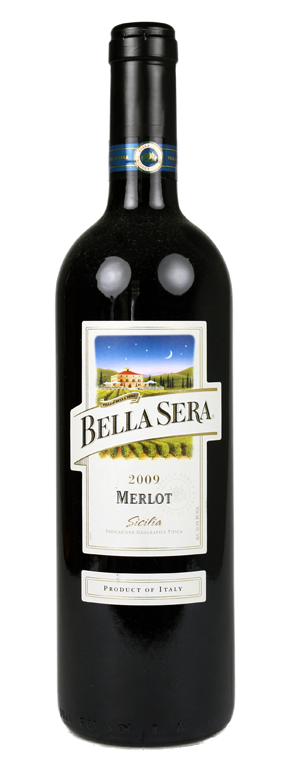
2009 Bella Sera Merlot (suggested retail $7.99; available for $7-$11) Very good QPR at around $8, this Merlot smells and tastes of plums with hints of chocolate around the edges and pleasingly smooth tannins. It may not convince Merlot skeptics, but those who enjoy the grape should give this Sicilian bottling a try.

2008 Concannon Vineyard Merlot Selected Vineyards (suggested retail $10; available for $7-$11) Another very good QPR Merlot for the price, with more structured rich plum and currant aromas. These fruits are evident in the flavors, too, which are nicely accented with spice. A reminder of the versatility or Merlot, and that the grape can be great if treated well.

If you haven't had Merlot for a while, give it another try. You may find yourself pleasantly surprised by what's on offer these days.

Full Disclosure: I received samples of these wines for possible review.

Monday, October 17, 2011

The Pursuit of Chardonnay

There are days when I just despair for the future of Chardonnay. All it takes is a string of uninspired, overly manipulated examples with loads of fake oak flavors and it makes me swear off the stuff for weeks.

But it only takes one good bottle to remind you why some of the world's great wines have been made from the grape.

If you're in pursuit of Chardonnay, this bottle should help you remember what Chardonnay can be.

2009 MacMurray Ranch Chardonnay Sonoma Coast (suggested retail, $20; available in market for $12-$20) This is a good example of a California Chardonnay that has seen some time inside a barrel, so there are flavor elements that derive from oak, namely a vanillin note that did not strike me as at all fake or forced. Hurray! The entry for the wine comes from its aromas of dough and apple (a bit like an apple crumble), with a note of honeyed vanilla that is the prelude for tastes to come. The flavors are dominated by cream and apple, with a cantaloupe note that I can't say I've ever tasted in a Chardonnay before, but which added an interesting dimension to the wine. Creamy vanilla notes linger in the mouth after your last swallow. Very good QPR, if you like rich and full-bodied California Chardonnays that remain true to the grape.

Full Disclosure: I received a sample of this wine for possible review.

Thursday, October 13, 2011

Napa Cabernet for Under $20

Cabernet Sauvignons from California's Napa Valley are among the iconic wines of the USA. They have a cult following, and are in heavy demand, which means that they have hefty price tags, too. Is it possible for those with leaner wallets to see what the fuss is all about.

Absolutely.

If you're looking to try a Napa Valley Cabernet--with all the rich flavors that the appellation promises--try to get your hands on this bottle. It may not have all the complexity and structure of a $100 bottle of Napa Cabernet, but for around $15 it's far more affordable.

The 2008 Irony Cabernet Sauvignon (available in market for $11-$17) is a very good QPR choice in Napa Valley Cabernet, with good varietal character and some distinct Napa pizzazz. High-toned plum, cherry and pomegranate aromas and flavors gain depth with a cedary, spicy aftertaste that reminds me of much more expensive bottlings. Though the tannins pucker the tongue with a nice grip, the wine is never heavy. As a result, it is very food friendly and will pair beautifully with stews, roast meat, and steaks.

Full Disclosure: I received a sample of this wine for possible review.

Sunday, October 09, 2011

Something to Celebrate

Five years ago, on 7 October 2006, I wrote my first blog post after going wine shopping. Here we are, more than 714, 000 visitors later. As with most things in life there have been ups and downs, some bumps in the road, and some unexpected miracles which led to unexpected hiatuses in posting. Thanks for sticking by me through thick (when I wrote a post a day) and thin (when I wrote no posts for months) and everything in between (like now, when I'm doing my level best to post every Monday and Thursday--or in this case, Sunday and Thursday).

Since a 5th Year Anniversary is something to celebrate, today I've got a round-up of under $20 sparklers for you. They come from Italy, France, and Austria. And because they're affordable you don't need any particular excuse to buy one and open it just because it's Monday!

2009 Weingut Markus Huber Zweigelt Hugo ($18, domaineLA; available in market for $16-$17) A nice choice in sparkling roses under $20, this is made with Zweigelt, and has distinctive strawberry aromas and flavors. Very yeasty (almost beery) in terms of the carbonation, this is a more rustic sparkling wine perfect for charcuterie or a plate of grilled sausages. Very good QPR.

N.V. Clos de La Briderie Crémant de Loire Brut Pureté de Silex ($15, domaineLA; available in market for $16-$19) Very good for the price, this wine is made with Chenin Blanc, Chardonnay, Cabernet Franc, and Cabernet Sauvignon under biodynamic growing protocols. The color is rose-gold, and the bubbles are medium-sized and long-lasting. Crisp citrus flavors are paired with richer notes of bread dough and toast. Even Champagne lovers will be impressed with the quality and depth of flavor for $15. Excellent QPR.

N.V. Sorelle Bronca Prosecco di Valdobbiadene Extra Dry (under $20 at domaineLA; available in market for $14-$18) Clean lemon and lemon-blossom aromas and flavors, and the bead is quite small, which makes for a fun, frothy Prosecco that is good enough to be had on its own as opposed to mixing into Bellinis. Very good QPR.

N.V. Voveti Prosecco di Conegliano-Valdobbiadene (suggested retail, $17; available in market for $12-$15) Greenish in color with small bubbles. this wine is part of a new venture in wine making from a Spanish/Italian team. The partnership really shines in this wine which has the apply/bready notes of Spanish sparklers and the citrusy notes of prosecco without any bitterness or excessive yeastiness. Crisp, but can stand up to food especially vegetables and fish. Very good QPR.

Full Disclosure: I received a sample of the Voveti for possible review.

Monday, October 03, 2011

The Future Looks Rosé

Now that we're into autumn, you may think the future looks decidedly less Rosé.

Those of us who drink Rosé wines--those pale to dark pink bottles of wine made from everything from Cabernet Sauvignon to Zinfandel--tend to think of them as summery offerings, suitable for picnics and barbeques but not for serious food.

Actually, Rosé wines are versatile and food friendly. They pair with almost everything. Served with a bit of a chill, they offer refreshment when your table contains spicy dishes. And they are usually very affordable.

Here are two of my favorite Rosés, which I tasted over the summer and early fall and which I have no problem recommending to those of you who are ready to take out your stew pot and turn on your oven. And both of them are dry wines--which means that they will pair with almost everything.

2010 San Giovanni Garda Classico Il Chiaretto ($15.00, domaineLA; available in market for $13-$15) This delicious Rosé is made from an Italian blend of Barbera, Groppello, Marzemino, and Sangiovese. You will smell the strawberries, and the aromas carry over into the flavors. There is a pleasant stony edge to the strawberry tones, and a lovely, savory note in the aftertaste. Well-balanced, medium-bodied, and excellent QPR. We had it with a Jamie Oliver dish of grilled tuna with oregano and lemon, grilled zucchini, and some garlicky cannellini beans, and the wine had the right amount of fruit, acidity, and minerality to pair with the dish. It would also be great with creamy pasta dishes, sausage, or roast pork. Note: It comes in a cute, chubby bottle but it does contain the full 750ml that you're used to.

2010 Château d'Esclans Côtes de Provence Whispering Angel ($20.99 from my local independent grocery store; available in market for $13-$27)
This wine is very, very pale pink in color--think ballet-tights pink. The aromas are even drier than those of the Il Chiaretto, with under-ripe strawberries, chalk, and melon rising up from the glass. The flavors echo the aromas, but the chalk becomes more intense. Very dry, very savory, and very good QPR (though if you can get it for under $15, you will find it's excellent QPR) This wine is made mainly from Grenache, with some Rolle, Cinsault, and Syrah blended in to it. A nice pairing for shrimp or other shellfish, salmon, tuna, or roast chicken.

Monday, September 26, 2011

Autumn's Transitional Red

The temperature is up.
The temperature is down.
You want to use your grill once last time before you put it away.
You want to break out your crock pot.

If this sounds like you, then you need to have some Malbec on hand. Many people associate Malbecs with summer barbeques, but this versatile red is just as good with soups or stews as it is with grilled chicken or steak. In other words, it's the perfect transitional red!

A few reminders about Malbec: though today the grape is most associated with Argentina , it was once quite popular in Bordeaux and produces wines that remind me of French Cabernets and Merlots. Expect a rich, full-bodied wine that can hold center stage. And keep in mind that while some Malbecs can be big, fun fruit-bombs, others are far more restrained and can exhibit mineral and herbal characteristics.

Here are three Argentinian Malbecs I'm recommending this autumn:

2010 Colores Del Sol Malbec (suggested retail $12; available in market for $6-$12) This excellent QPR option has lovely, lush blackberry and boysenberry aromas. That fruity aroma profile is found in the flavors, as well, and there are additional notes of leather and spice which linger on after the fruit flavors fade. This Malbec will go well with grilled sausages, meats, chilis, and stews.

2008 Gauchezco Malbec (suggested retail $14.99; available in market for $8-$11) A more restrained example, with typical varietal characteristics, this wine has earthier, raisin, and black cherry aromas and flavors. With air there was a nice spicebox quality to the aftertaste, as well as some tobacco notes. Very good QPR at around $15, if you can find it for around $10 I think it would be excellent QPR for those looking for a more traditional taste.

2009 Argento Malbec Reserva (suggested retail $16; available in market for $14-$16). Don't be worried if the plum aromas are faint when you first open this wine. They develop nicely with some exposure to the air, as do the plum, blackberry, and tobacco leaf flavors. The tannins are drying, and will probably soften a bit with storage time. Also traditional in style, this would be particularly good with grilled or braised meat. Very good QPR.

Full Disclosure: I received samples of these wines for possible review.

Thursday, September 22, 2011

To Reserve or Not to Reserve? And What's the Difference Anyway?

In your wanderings down supermarket aisles and through wine stores, you may have come across wines labeled "Reserve" or bearing the name of a vineyard and wondered what the designations were all about. What does it mean to be a "reserve" wine? A vineyard wine? And what difference--if any--does it make to the taste? Or the price tag?

If you are confused about what "Reserve" means there is a good reason for it: there is no standard or regulated use of the term. In its purest sense, it was once used by winemakers to specially mark wines they felt were superior. Today, it can be used to indicate the wines have been reserved in the winery for an extra year or two, that they received special oak treatment, that the grapes used in the wine were from a select portion of those harvested, or some combination. It can also be used purely as a marketing term, because who wouldn't want a special wine?

Wines with vineyard designations are regulated, however, and if you see the name of a vineyard on a bottle it means that 95% of the grapes used in the wine must come from that vineyard. Vineyards vary tremendously in terms of soil, climate, and exposure and all of these variables can alter the taste of your wine. Sometimes, a winemaker feels that the grapes grown in a particular patch exhibit special characteristics, and they decide to keep that fruit separate to accentuate the unique qualities of the grapes.

Recently I had a chance to taste three wines made from the same maker, from the same grape, and all from grapes grown in the same county (although different parts of that county). One was the standard bottling, one was a vineyard designate, and one was a reserve bottling. All three were excellent--but had distinctively different taste. Here's my take on them.

2009 Rodney Strong Chardonnay Sonoma County (suggested retail $13.50; available in the market for $8-$15). A clean and crisp Chardonnay, with apple and lemon aromas and flavors accented by richer pineapple and creamy vanilla notes. A portion of the juice was fermented in barrels, the rest in a tank, which helps to explain both the vanilla notes (the oak) and the crispness (from the stainless steel tanks). Flavorful, well-balanced and food friendly. Very good QPR.

2009 Rodney Strong Chardonnay Chalk Hill (suggested retail ; available in the market for $13-$21) This wine was made from grapes grown in an estate vineyard in the Russian River Valley. A distinctive, classy Chardonnay with apple and toasted oak aromas followed by apple flavors. Layers of cinnamon, clove, and nutmeg make the wine spicy, but the apple flavors remain strong and keep the wine fresh as do the underlying mineral notes. The aftertaste is nicely spicy, too, in part from the time the juice spent in both new and seasoned French oak barrels. Very good QPR.

2008 Rodney Strong Chardonnay Reserve Russian River Valley (suggested retail $35; available in the market for $24-$35). This wine was one year older than the others I tasted (even though it is a recent release) and tasted and smelled far richer with its apple and toasted coconut aromas. Full, creamy baked apple and sour cream flavors were followed up with a rich, spicy aftertaste. The Rodney Strong website explains that the wine was made in their "small lot winemaking facility," and that the juice was fermented in French oak barrels. Though this wine cost significantly more, it was an excellent value of the rich, oaky style of California Chardonnay. Very good QPR.

When faced with a decision of whether to choose a standard, vineyard designate, or reserve bottling, remember this: it's all about the taste and what you find affordable. In this case, the higher priced wines were richer-tasting, in large part because of their contact time with expensive oak barrels. However, sometimes what you want is a crisp Chardonnay. In that case, you'd be far happier with the Sonoma County bottling! As for me, my palate was most pleased with the Chalk Hill example.

As for food pairings, any of these wines would provide you with a pleasant Chardonnay to pair with your late summer/early fall dinners of grilled or roasted chicken, butternut squash ravioli, or grilled halibut.

Full Disclosure: I received samples of these wines for possible review.

Monday, April 18, 2011

Fire Up the Grills--and Buy Cabernet Sauvignon

It was 90 degrees in Los Angeles. I know it's snowing in Buffalo, but here it is spring (or maybe even summer). So last night I fired up the grill for the first time, marinaded a skirt steak, threw some sweet potatoes in the oven (note to self: roasting potatoes in oven for an hour heats up the house), and tossed some cherry tomatoes with mozzarella, fresh basil, olive oil, salt, and pepper.

Then I hit the Cabernets.

I love grilled steak with Cabernet Sauvignon, and I have three recommendations for you: one under $10, one under $15, and the other just a hair over $20. Even if you are experiencing snow, these wines would also be good with stews, braised short ribs, or a pot of chili.

Under $10: 2009 Big House Wine Company The Usual Suspect Cabernet Sauvignon (suggested retail $9.99; available for $6-$10). Not the most complex Cabernet, perhaps, but a solid example of the grape with characteristic plum and currant aromas. The palate was dominated with plum notes and accented by a bitter taste reminiscent of coffee grounds. The aftertaste was nicely bitter, too, which kept this fruit-forward wine from becoming too jammy. A touch of Grenache is blended into the Cabernet. Good QPR.

Under $15: 2009 Robert Oatley Cabernet Sauvignon James Oatley TIC TOK (suggested retail $14; available for $12-$16) This is another fruit-forward Cabernet, with currant and blackberry aromas and flowers. A spicy aftertaste is accompanied by nice tannins that have just enough grip. Very good QPR.

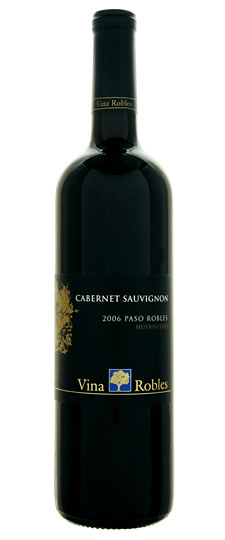
Just Over $20: 2008 Viña Robles Cabernet Sauvignon Huerhuero Vineyard (suggested retail $22; this new release currently available at the vineyard; previous releases available elsewhere for $15-$25) This was a wonderful wine, and tasted like something considerably more expensive than the sticker price. Aromas and flavors of currant, pencil lead, and eucalyptus made for an elegant and complex wine. With air, the currant notes turn plummy. The aftertaste is smooth, with spicy, well-integrated tannins. This is a lot of wine for $22, and excellent QPR.

Full Disclosure: I received samples of these wines for possible review.

Monday, April 11, 2011

A Candidate for Your House White: d'Arenberg's The Stump Jump

Last week I was extolling the virtues of red blends. After I wrote the post, I realized that though there were many red blends in my cellar, there weren't many white blends. I'm not sure why that's the case, because what goes for reds is true of whites as well: the blending can make the wine especially food friendly and versatile. And, just as with red blends, there is often a very attractive price tag on a white blend.

So I looked in the closet to see if I had any white blends and discovered a bottle of the 2009 d'Arenberg The Stump Jump (suggested retail $10; available for $9-$13) This is a blend of Sauvignon Blanc, Marsanne, and Riesling. As with most good blends, you can identify the individual components in the finished product. In this case, the Sauvignon Blanc is evident in the aroma which is very grassy, and that grassiness is accompanied by touches of honey from the Marsanne. The flavors have notes of pear, grapefruit pith, and a bit of litchi--so there's more Sauvignon Blanc and Riesling influence there. The mouthfeel is heavier than some whites, thanks largely to the Marsanne. The aftertaste reminded me of a dry Riesling, with its acidity and apple notes. I would have liked the wine to be a bit more fruit-forward--which is not something I say often. Even so, this wine is a good candidate for a house white because of its versatility and very good QPR. I looked over my notes from previous vintages, too, and this wine has consistently been good all the way back to 2004, which is another reason to try a bottle if you see one in the store, irrespective of its vintage.

Proof of the wine's versatility can be had by pairing it with something like this Soba Noodle Salad with Salmon and Asparagus from Bon Appetit magazine. With the rich salmon and avocado, the grassy asparagus, and the ginger-soy dressing, it's a bit of a challenge--but this wine handled it beautifully. The Sauvignon Blanc worked well with the asparagus, the Riesling with the Asian flavors, and the Marsanne stood up to the buckwheat and salmon.

Full Disclosure: I received a sample of this wine for review.

Monday, April 04, 2011

A Red for All Seasons

Last week I was extolling the virtues of spring. Now it's grey and drizzly again. In some places, it's still snowing. With the variable weather, it's hard to know which way is up. Do you dust off the grill and barbecue chicken? Or do you make a pot of stew? And what do you drink in the wine department, given it can be 86 degrees one day and 59 degrees the next?

Regular readers know that I love red blends because they're food friendly. This time of year, though, I am especially fond of them because their versatility means that they are as welcome next to grilled chicken as they are soup. So when the weather gets this way I make a bit pot of chili, pick out a red blend, and no matter whether if feels like June or January I'm ready to go.

A red blend I enjoyed recently with a pot of beef and black bean chili was the 2006 Tamarack Cellars Firehouse Red from Washington state's Columbia Valley. ($19.69 in my local independent grocery store; this vintage available for $20-$25, but more recent vintages can be had for $14-$22) Composed from a blend of Cabernet Sauvignon, Cabernet Franc, Syrah, and Merlot, the result is a juicy, fruit-forward wine with good structure. I've had my bottle for several years, and it's drinking just great now. I detected aromas of blueberry, cinnamon, and baking chocolate, all of which are echoed in the palate. The wine retains a fresh, lively taste through the mouth-watering aftertaste, with some additional herbal and spice notes. What I enjoyed most was the play between the varieties: the Cabernet Sauvignon lending its weight and acidity, the Syrah providing those soft berry flavors and spice, the Cabernet Franc lifting the blend with some acidity and herbs, and the Merlot making it approachable and inviting. Very good QPR.

And if you're looking for some chili recipes, here are a few of my favorites to try:

Fine Cooking's Beef and Black Bean Chili with Chipotle and Avocado

Rachael Ray's Fiery Chicken Chili (warning: makes enough for medium-sized army)

Tyler Florence's Outrageous Texas Chili

Thursday, March 31, 2011

Spring/Sprung: Three White Wines Perfect for the Season

Sorry about the long silence, folks, but I've been--er--busy. And I managed to catch the mother of all winter colds, which lasted three weeks and pretty much made tasting anything (wine included) an impossibility.

Now that I'm sprung from booktours and the 'flu, I'm back home, and having a glass of wine with dinner again, so I've got some tasting notes for you. The first are all about spring. It's definitely in the air here in Los Angeles and if you haven't caught a whiff of it yet, you soon will. Here are some lively white wines to celebrate the freshness of the air and the first flowers:

2009 Graves Monkey Wrench ($17.99, domaineLA; available for $17-$23) This wine is blended from one of my favorite white grapes--Grenache Blanc--and Viognier. The result is a fresh, zesty, and well-balanced with lime and mango aromas and flavors. These fruity notes are kept in check with strong minerality and tangy acidity. You will enjoy this with grilled fish, a chicken salad, or Asian food. Excellent QPR. (NB: label if from 2006--I drank the 2009)

2010 Chasing Venus Sauvignon Blanc (suggested retail $16; available for $10-$23) In the "even zestier" department, this New Zealand Sauvignon Blanc will appeal to the most die-hard lovers of the fresh wines from the Marlborough region. Abundant gooseberry, lime, and lemongrass aromas and flavors will make it ideal with Thai food, the fresh vegetables of the season (I imagine it would be wonderful with an herb risotto, for example), or citrus-roasted chicken. Very good QPR.

2009 Franciscan Chardonnay (suggested retail $18; available for $12-$22) Finally, if you like a slightly richer wine but are ready to swap your buttery wintery Chardonnays for one that has a bit more zip, try this excellent QPR bottling from Napa. It's one of the best domestic Chardonnays I've had in some time, and is memorable for its liveliness, its excellent balance, and the zesty citrus and apple flavor profile. Elegant and food-friendly, have this one with your richer dishes like a scalloped potato and fennel gratin, your favorite chicken dish, or some grilled chicken-apple sausages and a tossed salad.

Full Disclosure: I received samples of the Chasing Venus and Franciscan wines for review. I purchased the Graves bottling myself.

Monday, February 07, 2011

Your House Red: Boxed and Ready to Go

I'm the only wine drinker in my house. And there are times, like now, when things are so crazy that planning menus and opening bottles of wine that will in all likelihood go off before I can finish them up doesn't make sense. Enter the new generation of boxed wines.

I'm particularly partial to the Octavin, which has a fantastic spigot contraption that doesn't leak or drip. There are other options out there, too, and all of them keep air from getting to the wine thereby keeping the wine fresh-tasting for weeks, rather than days. The only downside of the Octavin is that with white wines they take up a certain amount of prime refrigerator real estate. With reds, you just set them in a cool place on the counter and enjoy a glass whenever the mood strikes.

Given the convenience of the packaging, I was particularly pleased to receive this sample of the NV Bodegas Osborne Seven because it is an ideal candidate for a house red--you know, the easy-drinking reds that go with practically everything and are great to have on hand. And the price is right, too: a 3.0 L size Octavin (equivalent to 4 bottles of wine) has a suggested retail of just $22. (available in the market for $16-$21)

The very good QPR NV Bodegas Osborne Seven is a blend of Cabernet Sauvignon, Merlot, Syrah, Petit Verdot, Tempranillo, Grenache, and Graciano. With all those grapes in it, it's hard to pin a varietal character on the wine. Instead, this is a "red" wine--which is not a bad thing on a Tuesday night when you're making Mark Bittman's chicken with roasted potatoes and Romesco sauce. I could smell the Grenache in the floral and fruity aromas. The Syrah and Petit Verdot are evident in the flavors which span the plum and blackberry spectrum. There are some darker notes, too: dark chocolate and ground coffee.

This wine will go with pasta, soup, stew, pizza, burgers, steaks--you name it.

Full Disclosure: I received a sample of this wine for review.

Thursday, January 13, 2011

Game On! A weekend food and wine pairing

This weekend you might be having friends over to watch sports on tv. No matter what your game, you need something that is comforting, fun, and not too much of a hassle to prepare. You also need a wine to go with it.

If so, pick up a bottle of Zinfandel and the ingredients to make these relatively healthy, entirely decadent-tasting Buffalo Chicken Paninis. They have all the taste you love in that bucket of spicy wings, but they aren't going to make you feel guilty (well, not that guilty!). Toss a big green salad together--maybe one with shredded carrot, romaine, sliced celery and blue cheese dressing to complement the sandwiches--and you'll be ready to settle down in front of the TV.

As for the Zinfandel, I'd recommend the very good QPR 2008 Ravenswood Old Vine Zinfandel from Lodi (suggested retail $13; available in the market for $8-$15). Ravenswood makes good Zins from a variety of appellations, but this one is my favorite with this sandwich. Its cool blueberry and rich plum aromas and flavors are accented with nice cracked pepper notes. The pepper and spice continues through the juicy aftertaste, and stands up nicely to the hot sauce and blue cheese in the sandwich.

Full Disclosure: I received a sample of this wine for review.

Friday, November 26, 2010

Malbec and Mole, or How to Transform Your Turkey Leftovers

I love turkey leftovers--the day after Thanksgiving. Then, I want nothing more to do with turkey, cranberry sauce, and mashed potatoes. I crave spice and warmth and something that will go with red wine. So what do you do with the leftover turkey? I'm too busy to make soup!

First, dive into your wine closet or go out and buy a nice, affordable bottle of Malbec, like the very good QPR 2009 Budini Malbec from Argentina's Mendoza region. (suggested retail $13; available for $9-$14) This smooth, berry-inflected Malbec has rich, spicy notes as well as subtle, integrated tannins. It reminded me of an extremely well-made, fruit-forward Cabernet but happily was not manipulated into something else. The fruit-forwardness of the wine and the juicy aftertaste make it capable of handling something rich and spicy, like the recipe that follows.

Then, head to the market and pick up two 16 oz jars of medium-heat Roasted Chipotle Salsa and a small bar of 70% Cacao Dark Chocolate.

You are now set to make a quick and easy turkey mole to go with some rice, or some tortillas, or even some crusty bread. Butternut squash that has been peeled, cubed and tossed with olive oil, salt, and pepper before putting it into a 450 oven for 15-18 minutes is good, too.

Quick and Easy Turkey Mole
Note: I adapted this recipe from a Wegman's recipe that calls for various Wegman's proprietary ingredients not available where I live. No leftover turkey? A rotisserie chicken works just fine.

1. Head a large skillet over medium-high heat. Add your leftover turkey (on the bone is fine, or large chunks of leftover meat. If the skin is still on it, you will want to cook it in a skillet on medium heat a bit to crisp up the skin and render the fat.) Cook for 3 minutes, turning once in the middle of the cooking time. Remove turkey and reserve.

2. Put 1/2 cup of water in the pan and scrape up any browned bits on the bottom. Reduce heat to medium. Add 1 tsp cinnamon and the 2 jars of salsa. Simmer, covered, over medium-low heat for 15 minutes. Remove lid, and cook for a further 6 minutes or so until the liquid is reduced a bit.

3. Reduce heat to low. Then add 1.5 oz of the chocolate, chopped into small pieces. Stir until melted.

4. Return turkey to pan and warm through on low for 8-10 minutes. Add salt and pepper to taste.

Serve with a nice glass of Malbec, some accompaniments like squash/rice/bread, a cool salad of avocado, tomato, and red onion and you are all set.

Full Disclosure: I received a sample of this wine for review.

Monday, November 22, 2010

Simply Delicious Syrah

Syrah is one of my favorite grapes, as most regular readers know. Finding a good, affordable bottle can be a challenge, however, because a lot of Syrah out there today is overproduced and not terribly impressive. Syrah should have some recognizable characteristics, like blackberry fruit flavors, spicy notes of black pepper and clove, and perhaps some cedar and licorice, too.

I've just had a wonderful bottle of Syrah made in Australia from fruit picked on South Australia's Limestone Coast: the very good QPR 2007 Greg Norman Estates Shiraz. (suggested retail $15; available for $9-$20) It has delectable plum and characteristic blackberry aromas. Smooth, chalky tannins give the pomegranate and blackberry flavors some grip. There are allspice and clove notes in the aftertaste, too. This nicely-balanced, fruit-forward Shiraz does not match a Barossa Shiraz in terms of overpowering intensity, but is more food-friendly as a result.

This would be excellent with lamb, roasted chicken, roast beef, or pork as well as vegetarian entrees involving cheese, eggplant, or mushrooms. We had it with some lemony Moroccan lamb sausages and a salad and it was heavenly. The berry fruit played nicely off the earthiness of the lamb and the Moroccan spices blended with the allspice and clove elements of the wine.

Full Disclosure: I received a sample of this wine for review.