Showing posts with label biodynamics. Show all posts

Sunday, October 09, 2011

Something to Celebrate

Five years ago, on 7 October 2006, I wrote my first blog post after going wine shopping. Here we are, more than 714, 000 visitors later. As with most things in life there have been ups and downs, some bumps in the road, and some unexpected miracles which led to unexpected hiatuses in posting. Thanks for sticking by me through thick (when I wrote a post a day) and thin (when I wrote no posts for months) and everything in between (like now, when I'm doing my level best to post every Monday and Thursday--or in this case, Sunday and Thursday).

Since a 5th Year Anniversary is something to celebrate, today I've got a round-up of under $20 sparklers for you. They come from Italy, France, and Austria. And because they're affordable you don't need any particular excuse to buy one and open it just because it's Monday!

2009 Weingut Markus Huber Zweigelt Hugo ($18, domaineLA; available in market for $16-$17) A nice choice in sparkling roses under $20, this is made with Zweigelt, and has distinctive strawberry aromas and flavors. Very yeasty (almost beery) in terms of the carbonation, this is a more rustic sparkling wine perfect for charcuterie or a plate of grilled sausages. Very good QPR.

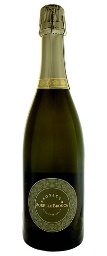
N.V. Clos de La Briderie Crémant de Loire Brut Pureté de Silex ($15, domaineLA; available in market for $16-$19) Very good for the price, this wine is made with Chenin Blanc, Chardonnay, Cabernet Franc, and Cabernet Sauvignon under biodynamic growing protocols. The color is rose-gold, and the bubbles are medium-sized and long-lasting. Crisp citrus flavors are paired with richer notes of bread dough and toast. Even Champagne lovers will be impressed with the quality and depth of flavor for $15. Excellent QPR.

N.V. Sorelle Bronca Prosecco di Valdobbiadene Extra Dry (under $20 at domaineLA; available in market for $14-$18) Clean lemon and lemon-blossom aromas and flavors, and the bead is quite small, which makes for a fun, frothy Prosecco that is good enough to be had on its own as opposed to mixing into Bellinis. Very good QPR.

N.V. Voveti Prosecco di Conegliano-Valdobbiadene (suggested retail, $17; available in market for $12-$15) Greenish in color with small bubbles. this wine is part of a new venture in wine making from a Spanish/Italian team. The partnership really shines in this wine which has the apply/bready notes of Spanish sparklers and the citrusy notes of prosecco without any bitterness or excessive yeastiness. Crisp, but can stand up to food especially vegetables and fish. Very good QPR.

Full Disclosure: I received a sample of the Voveti for possible review.

Wednesday, October 28, 2009

Gemischter Satz--It's Austrian for Delicious

If you hear "Gemischter Satz" You may be tempted to say "God Bless You!"

But the appropriate answer is "They're delicious, aren't they?"

Gemischter Satz are special wines from Austria's capital city of Vienna. Made from a blend of white grapes that are grown together in the field, then picked and fermented at the same time, there was a point not too long ago when the mania for "single varietal" bottlings threatened this age-old tradition of Austrian field blends. Happily, the tradition was maintained, the grapes remained planted in gloriously mixed vineyards of Gruner Veltliner, Weissburgunder, Riesling, Muscat Ottonel, and other grapes. Few Gemischter Satz bottlings specify the grapes within, and none that I've seen can give you varietal percentages. Don't worry--go for it.

I'm a relative newbie to the wines of Austria, but I can't recommend Gemischter Satz highly enough. If you enjoy crisp, food-friendly whites--and are a bit tired of the same-old same-old that you've been drinking lately seek out one of these wines and perk up your tired tastebuds.

2008 Weingut Rotes Haus Gemischter Satz Classic Nußberg ($20) This tasted very much of a Gruner Veltliner to me, with its white pepper, salt, and grapefruit aromas. The flavors of apple, grapefruit, and pepper confirmed my initial impression and the aftertaste was interesting--like sour apples. Very good QPR.

2007 Weingut Hajszan Gemischter Satz Weissleiten ($18) This stunning organic and biodynamic wine had unmistakable aromas of freshly ground black pepper, with floral notes. The flavors turned melony, with a zing of quince, and remained dry and refreshing. The juicy, lively aftertaste kept you reaching for the bottle. This is the kind of wine that invites you to spend the evening with it, discovering the flavors that are magically contained within it. Excellent QPR.

2008 Weingut Christ Wiener Gemischter Satz ($16) This wine had piercing aromas of apple, salt, and lemon. The flavors are equally intense, with loads of minerality and stone to accompany the slightly bitter lemon at its core. A fresh and citrusy wine. Excellent QPR.

2008 Zahel Gemischter Satz Schloss Schönbrunn (NA as of yet in the US) This restrained, elegant wine had faint aromas of lemon and peach. Dry flavors reminiscent of Meyer lemon dominate the palate, and there is a touch of bitter orange follows in the aftertaste. Well worth seeking out--and I hope an American retailer snaps this up.

Note: I've been sent some corrections and have made them in the body of the text above. The wines themselves all come from within the city limits of Vienna, and Weingut Hajszan's wine is certified organic and biodynamic.

Also, if you are looking for these wines, retailers are popping up in the comments to say they have these sometimes-hard-to-find bottlings. So check below if you are interested in purchasing, as the usual online wine search engines are not always exhaustive.

Full Disclosure: I received these wines as samples.

Wednesday, September 16, 2009

Wine Blogging Wednesday #61: Quivira Vineyards

Welcome to Wine Blogging Wednesday, the online tasting event dreamed up five (!) years ago by Lenn Thompson of Lenndevours: the New York Cork Report.

This month our host is our founder, and Lenn's theme for this month's tasting was "At the Source." Our instructions were to "actually visit a winery and taste a wine there. Bonus points if you can taste it with the winemaker or the vineyard manager." I'm getting some major bonus points on this one because I tasted wine with the winemaker, the vineyard manager, the farm manager, and the owners!

This summer I was invited to dinner at Quivira Vineyards in the beautiful Dry Creek Valley. Regular readers know that I am a huge fan of this wine region, but this was a chance for me to get behind the scenes at one of my favorite wineries and learn more about their interest in biodiversity and biodynamics as a way of cultivating a sustainable vineyard for the 21st century. To get a glimpse of what they're doing here, flip through these pictures taken at the dinner:


As the slideshow above illustrates, they raise pigs, fruit, bees, chickens, vegetables for area restaurants and grocery stores, and fruit at Quivira. They've also restored a stream for Steelheads hoping to bring them back to the Dry Creek Valley where they once flourished.

And yes, they make great wine, too. If you are interested in experiencing all Quivira has to offer, consider attending one of their farm-to-table seasonal dinners. The next one is on October 10 and will focus on the restoration of the creek, a fabulous dinner, and excellent wine. There will be a winter dinner in February that will include a hands-on blending seminar, and a spring dinner featuring a discussion of biodynamics. You can see menus, check out the dates, and reserve your place at dinner by clicking here.

Tasting Highlights

(note: clicking on a wine's name will take you directly to the Quivira online store)

2008 Quivira Mourvedre-Viognier Rosé: A special treat, this one-0f-a-kind wine was fermented in an acacia wood barrel. The deep, hot pink wine had huge apricot aromatics and a dry palate with flavors of strawberry, cherry, and rosehips. (not available for retail)

2007 Quivira Grenache: This wine's beautiful ruby color and amazing cascade of plum blossom and grilled herb aromas were a prelude to the rich cherry, strawberry, and spice flavors in the wine. Full-bodied but not heavy, this wine was nicely structured and had a delicious, mineral-inflected finish. (suggested retail through the winery $26; available for $19-$28 elsewhere)

2007 Quivira Old Vine Katz Vineyard Zinfandel: Sweet blackberry fruit and earth are present in the aromas top notes, and lead into a flavorful blend of grilled herb, berries, and white pepper. As the wine opened it became more meaty, but the aftertaste remained bright and spicy. (suggested retail $38, click on the wine's name to purchase through the winery)

2008 Quivira Fig Tree Sauvignon Blanc: Rich, round, and luscious, this wine never touched wood. The flavors and aromas are full of orchard (apple, pear) and tropical fruits, making for a clean drinking experience that never gets grassy or harsh. (suggested retail through the winery $18; $15-$22 elsewhere)

Wednesday, August 26, 2009

New Grape of the Month: Bourboulenc

According to the index of topics in the left sidebar, I've never reviewed a wine with Bourboulenc grapes in it. I'm sure I've tasted it before, but not since I started this blog.

Perhaps that's not too surprising. As best as I can make out, there are only about 2000 acres of the grape in cultivation. And the wine is mostly used in white blends, where it can be paired with Rhône varieties such as Roussanne and Marsanne. Bourboulenc has a lot of acidity, and can lighten and brighten white wines.

Recently I had a wine that included Bourboulenc grapes: the 2007 Château La Canorgue Côtes du Luberon Blanc from the southeastern Rhône ($18.00, domaine547). The wine had a lot of character and was made from a combination of Bourboulenc, Clairette, Marsanne, and Roussanne. It was round and full, but light and fresh at the same time--a fascinating set of contradictions. Aromas of pears, citrus, and flowers welcome you into the tastes, which are along a similar spectrum of white orchard fruits (apple, pear), citrus (lemon and a bit of bitter orange as the wine warms), and even some floral and mineral notes.This wine is organic and biodynamic as well, and delivers excellent QPR with its complexity and price point. If you like white Châteauneuf-du-Papes, but don't like paying the steep prices they often command in the market, this is the wine for you.

As an added bonus, this is one of the few wines that I've had that didn't clash with artichokes. We had it with the vegetarian-friendly Pasta with Almond-Herb Pesto and Artichokes. The round yet fresh flavor profile went nicely with the zesty herbs, ricotta cheese, tomatoes, and even the artichokes that went into this dish.

Monday, April 13, 2009

Think Spring, Think Sangiovese

Sangiovese, like Pinot Noir, is one of those red grapes that I think is just perfect for spring. It's lighter bodied than many reds, and has a bright, fruit-centered core that has lots of acidity and zip.

The 2006 Azienda Agricola La Schiaccionaia Trasubie is made with Sangiovese grapes that were grown biodynamically in Tuscany's Montecucco region rather than the better known Chianti. (suggested retail $22; for more information on where you could purchase this wine go to the Domenico Selections website) A bit of Syrah was blended into the wine for added softness. I loved the aromas of leather, sour cherries, and earth that were my introduction to the wine. These were followed up by flavors that were leathery, with nice spicy clove and cherry as well. The wine had a smooth finish, and will please traditionalists who are looking for a wine that is nicely balanced between fruit, acidity, and more complex notes. Even though it cost slightly more than $22, I felt this represented excellent QPR given the quality and the complexity it offered.

Sangiovese goes well with grilled meats and pasta dishes, but we had it with a white bean and sausage minestrone that was quick to make and delicious. I added some more crushed tomatoes to the recipe because we had some in the fridge just begging to be used up, and I cut the amount of liquid added to the recipe in half because I like my soup thicker. It worked well--so fiddle with this recipe to get just the consistency and flavor you want. The earthiness of the beans and the fennel in the sausage really brought out the earthy and spicy notes in this wine, and the cherry flavors were an ideal companion to the tomatoes.

Full Disclosure: I received this wine as a sample.

Monday, January 19, 2009

A Spanish Contender for House White

Finding a white wine versatile enough to qualify as a house white can be oddly difficult.

Some white wines are too sharp. Some white wines are too flabby. Some white wines are too darn expensive.

The 2006 Telmo Rodriguez Basa, on the other hand, is just right.

As such, it's an excellent QPR Spanish contender for your house white. ($11.99, domaine547; available elsewhere for the same price). Made from biodynamically farmed grapes, it has zesty flavors, and a heavier moutfheel than most zingy white wines. There are lime zest and litchi-fruit aromas, which are subtle until it warms up in the glass. Waxy flavors of Meyer lemon, golden delicious apple, candied lemon peel, and lime round out the experience of this delicious white wine made from a blend of Verdejo, Viura, and Sauvignon Blanc.

Versatile enough to go with everything from chicken and feta tostadas (a Greek twist on a Mexican classic) to chicken with lemon and olives, this is a wine that will be welcome on almost any table.

Monday, July 21, 2008

Checking up on Bonny Doon's Journey into Biodynamics

I've written before on the site about Randall Grahm's efforts to take the sprawling and eclectic wine enterprise that is Bonny Doon and turn it into a much smaller and focused operation devoted to biodynamic farming and exploring the potential of far fewer grape varieties. In my tastes of the results so far, this transformation has led to some very interesting and pleasant white wines. The reds are still a work in progress in my opinion, but the white wines are distinctive, fun, and out of the ordinary.

The latest Bonny Doon wine that I tried was the 2007 Bonny Doon Vineyard Albariño, a very tasty wine that was made using biodynamic protocols. ($17.00 in a wine club shipment; expect to pay $18-$22 through merchants near you. It's also available for $20 through the Bonny Doon website). The pale straw-colored wine had strong and unmistakable aromas of honeysuckle when you first unscrewed the cap. We have a Meyer lemon tree in the back yard, and the flavors reminded me of the slightly richer and sweeter flavors of those lemons with a bit of sea salt adding a note of interest. As you sipped the wine, it left a slightly bitter and intense flavor of grapefruit oil which made your mouth water for more. I liked this wines intensity and its trueness to the variety--in a supercharged, Californian way. Even though it was very good, I can only give it a good QPR designation because of the price. There are a lot of very good Spanish wines made with this grape that are less expensive. Still, if you like zesty, intense Albariños this is well worth checking out.

This Albariño would be excellent with fish or chicken tacos/fajitas, or with a Spanish dish like paella. We tried it with both of those options, and I was hard pressed to pick a winner. In the case of the chicken fajitas we had, the lime that was squeezed on the meat and vegetables paired very nicely with the Meyer lemon and grapefruit notes in the wine. With the paella, which we made with chicken, rosemary, shrimp, artichokes, sausage, and peas, the wine was flexible enough to pair with the many textures and flavors of the dish. And its freshness handled the rich saffron flavors of paella just beautifully. If you'd like to try to make a somewhat less time-intensive version of the famous Spanish rice dish, you can check out this recipe, but DO NOT follow the final cooking instructions--they don't work and you will have uncooked rice 45 minute after the dish is supposed to be done. Instead, follow the recipe up until you bring the pan of goodies to a boil after adding the stock. Then let it simmer, uncovered and without stirring, for 7 minutes. It will still be soupy at this point. Transfer the pan into an oven preheated to 400 or 425 degrees, being sure to cover the handle with foil if it's plastic. Cook it there for a further 15 minutes. You can sprinkle some more stock over the pan if the mixture seems too dry (check 5-7 minutes after you first put the pan in the oven.) Remove the pan, cover it with foil, and let it stand on the counter for 10 minutes. Uncover the pan and let stand for another 5 minutes. Even if you don't have a traditional paella pan, this method yields good results and you should get some of the coveted crustiness and caramelization on the bottom of the rice.

I'd be interested to hear what those of you who are drinking more recent vintages of Bonny Doon think about Grahm's efforts so far. And if you're drinking new vintages of the Pacific Rim or "Big House" wines, I'd love to know how those are faring too, since they are no longer made by Grahm.

AVIN5416375910267

Wednesday, June 11, 2008

Welcome to Wine Blogging Wednesday #46: Rhone Whites

Welcome to Wine Blogging Wednesday #46, the monthly online tasting event started nearly four years ago by Lenn Thompson of Lenndevours. This month, I'm your host and for the theme I wanted to pick something summery, that wouldn't be hard for people to find, and would bring some under-appreciated grape varieties into the spotlight.

The varieties that I think best exemplify summer are white varieties associated with the Rhone: Bourboulenc, Clairette Blanc, Grenache Blanc, Marsanne, Muscat Blanc a Petits Grains, Picardin, Picpoul, Roussanne, Ugni Blanc, and Viognier. These white grapes are grown all over the world, and produce wines that are rich in orchard and tropical fruit flavors, or have a bracing acidity that cools you down when its warm outsides. The wines made from these grapes are surprisingly versatile, and pair with a wide range of foods depending on how the fruit is treated during fermentation and aging. For this WBW you could drink any white Rhone variety or combination of varieties, from any region in the world, at any price point.

I decided to compare and contrast two wines: one made in the Rhone from a blend of Clairette and Grenache Blanc; and another made in Paso Robles, solely from Roussanne. The French white was aged in stainless steel; the Paso Robles white was kissed with some oak.

The first wine was the excellent QPR 2006 Ferraton Père & Fils Côtes du Rhône Samorëns ($12.99, domaine 547). The wine was made from organically and biodynamically produced Grenache Blanc and Clairette grapes grown in Tain l'Hermitage. Samuel Ferraton and Chapoutier have been in partnership on the property for the past decade, which has brought new resources and attention to the Ferraton operation. When I opened this bottle of wine, it smelled just like summer with aromas of pear, almond, and a bit of flower as the wine warmed up. The pale gold color was equally summery, and the flavors were redolent of summery orchard fruits like pear and peach. Because it was aged in stainless steel the wine retained a fresh intensity that would make it very appealing on a warm June or July day. An interesting nutty almond aftertaste added complexity to the wine. It had a nice round feeling in the mouth, and was a textbook example of a blend of these two varieties--for a terrific price.

The second wine I tasted was another excellent QPR pick: the 2004 Tablas Creek Roussanne ($22.95, Chronicle Wine Cellar; available online for between $19 and $28) I've tasted this wine twice in the last year or so. In the spring of 2007, it was all about the fruit. Now, a little more than one year later, it was a more complex and interesting drinking experience. This wine was true, deep gold in color and the richness of the color hinted at the richness to come. There were shy aromas of pear and minerals, and as the wine opened up there were delicious flavors of pear, melon, and mineral with a touch of beeswax in the finish. The overall impressions of the wine were soft and round, and there was no hint of alcohol or sense of heat despite its full body and heavy feel in the mouth. There was also just a hint of oak in the aftertaste, since 50% of the juice had been fermented in small French oak barrels. This was a big wine with a lot of complexity for the price.

Both of these wines were quite food friendly, and would lend themselves to a wide range of dishes from spicy curries and stirfries to rich scallop, lobster, and shrimp preparations. We had the Ferraton with a Peruvian Fried Rice--one of the world's earliest fusion dishes created by Chinese railroad workers in South America. Few wines could complement a dish that combined rice, ginger, soy sauce, shrimp, and chorizo, but the Ferraton did the job beautifully. The soft and round qualities of the wine were terrific with the shrimp, and the fresh pear and peachy flavors were a nice counterpoint to the ginger. As for the Roussanne, I always feel that this variety is made for scallops--and that's what we had it with. The rich, buttery texture and sweet flavors of the scallops partnered perfectly with the Roussanne's full-bodied melon and beeswax qualities. It doesn't matter how you fix the scallops, they will be perfect with Roussanne. Try a classic Coquilles St. Jacques, or Eric Ripert's innovative pan-fried scallops on a mound of orzo mixed with tomatoes, ginger, and lemon grass.

Summer is often associated with the crispness of Sauvignon Blanc, but Rhone whites are equally wonderful for drinking during the long, hazy, and lazy summer days and nights to come. Thanks to everyone who participated in this month's event, and be sure to drop me a note or leave a tasting note or a link in the comments if you'd like me to include you in the roundup this weekend. I'm really looking forward to reading what you all have to say about these wonderful whites.

Wednesday, May 14, 2008

Organic Wine Week, Part 2: Pinot Noir

My second organic wine pick for this week involves Pinot Noir--which still seems to be everyone's favorite red variety. There's a lot to like about it, so it's not surprising. They're flavorful, rich without being heavy, and pair well with a wide variety of foods.

So when the folks at Cooper Mountain asked if I'd like to try their latest vintage of Pinot Noir I said yes. Cooper Mountain Vineyards are in the Willamette Valley, perched on the slopes of an extinct volcano in Oregon. Robert and Corrine Gross started the vineyards in 1978 and began bottling their own wine in 1987. Robert Gross always explored alternative methods of treating his medical patients--he's a psychiatrist, a homeopath, and an acupuncturist--and his fondness for the road less traveled in his career can also be seen in his wine work. Within a few years, Gross became interested in sustainable, alternative farming and began to convert the vineyards to organic methods. They were certified organic in 1995 (the second vineyard in Oregon to achieve this status), and four years later received their biodynamic Demeter certification.

The wine I sampled, the 2006 Cooper Mountain Vineyards Cooper Hill Pinot Noir, was a light bodied, cheerful wine with excellent QPR. ($15-$17 through online merchants) Made with organic, biodynamic grapes, the wine tasted very pure to me, with lots of cherry and raspberry aromas and flavors that were intense and lively. The wine had Pinot's distinctive silky character, and after you swallowed down all those fruity flavors there was a nice fresh taste in your mouth that reminded me of the smell of a wet garden. Like most Oregon Pinot Noirs that I've tasted, this wine is not opulent and rich but cool and restrained--like Grace Kelley. It's a young wine, with refreshing acidity at its core and I found that the cherry had turned to black cherry and the raspberry to blackberry after I recorked it and left it on the counter for 24 hours. This suggested to me that this is a wine that will continue to develop with age. But it's delightful right now, so you shouldn't wait to try this one. And the price is amazing for a wine that is organic, small production, and so darn tasty.

We had the Cooper Mountain Pinot Noir with some BBQ shrimp and cheese grits made with shrimp tossed in some homemade red sauce with bourbon and spices and some creamy grits laced with extra sharp cheddar cheese. The acidity really cut through the red BBQ sauce, and the purity of the fruit flavors didn't clash with the spices. This summer, if you've got plans to BBQ, get yourself some of this wine.

Cooper Mountain makes a wide range of organic, biodynamic wines including Pinot Gris, Malbec, and several different Pinot Noirs. If you want confirmation from another blogger that Cooper Mountain is a winery to watch, check out Jeff Lefevere's review over at Good Grape. This is a winery that may not be on your radar screen, but it should be. Their wines are further proof of the numerous affordable, delicious choices that are out there if you would like to make organic and biodynamic wine choices.

Monday, April 07, 2008

Not So Big Zinfandel

Quivira Vineyards in the Dry Creek Valley is a representative of what I recently called the Not So Big Wine Life. First they are champions of sustainability, receiving their Demeter Certification in 2005 which recognized their use of biodynamic viticultural protocols. They also received the 2008 Sonoma County Business Environmental Alliance's Best Practices Award for their organic agriculture, use of solar energy (you can see all the panels on the roof), and their efforts to make Wine Creek a safe habitat for fish once again.

Second, they also make a not so big Zinfandel: one that is slightly above 14% alcohol, has a good core of acidity, and reminds me of the reds that I drank when I was in my first job and didn't have much money to spend. Then you could get a very drinkable, food friendly Zin for under $10. To be completely fair, it was more than a decade ago. While those prices are getting harder to find, I'm happy to report that it is still possible to find a Zinfandel that doesn't taste like licking a spoon coated with jam, or hit you over the head with its power. The Quivira Dry Creek Zinfandel is not a small wine, but it is a wine that manages to retain a "human scale."

Quivira calls their Dry Creek Zinfandel a "melting pot" since it is made from fruit produced throughout the appellation. I think it's more like drinking history. The grapes that go into this wine represent a complete lesson in the Dry Creek Valley AVA. Some of the grapes come from the Standley Ranch's pre-Prohibition zinfandel vines. More come from Quivira's Wine Creek Ranch which has been producing fruit since the 1960s and is now certified organic and biodynamic. Remaining grapes come from Walt Dieden's Ranch and from Quivira's own Anderson Ranch vines, which are Heritage clones.

I really liked the 2004 Quivira Zinfandel. I bought this for $20 direct from the winery, which is now sold out of the wine. But it is still available for $18-23. The wine had enticing aromas of black cherry, allspice, and a cedary smell that reminded me of my mother's cedar chest. I liked the way the cherry aromas hung around and turned into the dominant flavor, accented by a rich and bitter taste of baker's chocolate and a shake of pepper. If you get a bottle, expect it to become smoother as it ages and to show more spicy notes of clove and cinnamon and a little less pepper. I think that the wine will continue to drink well over the next 12-18 months if not a bit longer. And, because this wine is very food-friendly and will go with everything from pizza to BBQ to a spicy chili without making a fuss, you won't have any trouble finding something to serve with it, whenever you choose to pop the cork.

This very good QPR Zinfandel feels and tastes old fashioned--maybe even historic--and restrained, just the way I like them now and and remember them way back when. Back when Zinfandels were not so big, but every bit as delicious.

Wednesday, March 19, 2008

Spring. It's Spelled SB.

As far as I'm concerned, the way to spell Spring is SB. Short for Sauvignon Blanc, the fresh, zingy, grassy, and citrus flavors of this grape variety seem to go perfectly with the longer, warmer days and the fresh produce that is beginning to show up in markets.

If you are looking for a good Sauvignon Blanc, but don't want the assertive New Zealand variety, nor the round and rich California style, why not try one from Burgundy? You may think that Chardonnay and Burgundy go hand-in-hand, but Ghislaine and Jean-Hughes Goisot demonstrate that some stunning examples of SB are made there in the Saint-Bris AOC. The Goisots grow their grapes using both organic and biodynamic guidelines, and I was pleased to discover the mineral qualities in this wine that I so often associate with fruit that is grown under biodynamic protocols.

The 2005 Ghislaine and Jean-Hughes Goisot St. Bris was a terrific example of a classically-styled Sauvignon Blanc. ($15.99, domaine547). The aromas were herbal without being too grassy, and there were also abundant citrus and just a touch of wet beach stones. The flavors were poised nicely between the green and juicy citrus elements of the wine, and the stone turned pleasantly chalky as it touched your tongue. There was a reasonably long finish, with just enough tartness to make your mouth water and want more. This was a definite rebuy, and very good QPR.

Get a jump start on spring cooking by pairing your Sauvignon Blanc with an equally springy dish just made for the wine that involves pasta, grilled vegetables, and goat cheese. This is a great opportunity to dig out your gas grill if you've got one, and if not the vegetables can be broiled or cooked on a stovetop grill pan. Once that's accomplished, you chop them up--radicchio, peppers, zucchini, squash, leek, and artichoke hearts--and toss them with cherry tomatoes, corkscrew pasta, and some tangy-creamy goat cheese. If you've never had goat cheese with Sauvignon Blanc the two are made for each other, and you're in for a treat.

I know that in some parts of the country spring feels pretty far away right now. But this wine and the pasta dish that goes so nicely with it will make you feel like spring inside, even it it's still cold outside. And for those of us lucky enough to be smelling daffodils and seeing robins digging up worms already, we can just start enjoying the season in full.

Monday, February 11, 2008

Taking the Riesling Shortcut to Alsace Via Oregon

When I bought the Good Grape blogger pack from domaine547 I was promised a trip to Alsace via Oregon. I got one! Even better, I discovered a winery I think I want to develop a lifetime relationship with--and it's a small producer I would never have heard of or had the chance to try in the normal course of buying and tasting wine in Southern California. So thank you to Jill and Jeff Lefevere of Good Grape for introducing me to Brooks Wines.

There is a heart-tugging story behind this winery, and it revolves around Pascal Brooks--who just may be the youngest winery owner in the US. Pascal was just 8 years old when the winery's ownership sadly passed to him after the death of his dad, Jimi. Friends and neighbors rallied to support the Brooks wine-making efforts to provide Pascal with a steady source of income and financial support. Since 2004 Pascal has had help making his wine, including the assistance of his aunt, Janie. They continue to bottle wine made from only organically- produced grapes, and to adopt biodynamic farming methods dedicated to sustainability. (photo of Brooks founder Jimi Brooks mixing biodynamic preparation for the vines, geolinkwine.com)

I got two Brooks wines in my blogger pack, and the first one I opened was the 2006 Brooks Riesling from the Willamette Valley (included in the domaine547 Good Grape Blogger pack of 3 Oregon wines for $52.99). This was an excellent QPR domestic riesling that (quite frankly) blew the highly touted Eroica of Chateau Ste. Michelle and Dr. Loosen out of the water. If you like that wine, and pay more than $20 for it, then treat yourself to a Brooks Riesling. There were complex aromas of lime, apple, Meyer lemon, petrol, and stone. I could have sniffed the wine all night without drinking any of it and kept myself happily busy. Flavors of lime, honey, slate, and even a hint of fresh red currants zinged in my mouth. I preserved the wine and left it overnight, and I think it should age nicely over the next 12-24 months, if you can wait that long.

With our Oregon Riesling we had a delicious pasta dish that used butternut squash and some zingy spices created by Mario Batali. It may seem odd to put Riesling with pasta and squash, but it was a dynamic pairing. The creaminess of the squash and pasta was nice with the silkiness of the wine, and the acidity of the Riesling cut through to the heart of the thyme, red onion, and red pepper that spiced the dish.

Brooks Wines are committed to making "exceptional wine at modest prices," and with this bottle they have succeeded and then some. Only 493 cases of this wine were produced, so get it while you can. And if you're in one of those states like Massachusetts that domaine547 can't ship to (and you know who you are!), check out Table & Vine in West Springfield. They have it, too.

Thursday, February 07, 2008

Grape Variety #92: Pineau d'Aunis

It's pink. It has bubbles. It's under $15. It's Pineau d'Aunis.

It's what?

Pineau d'Aunis is a red grape variety that is native to the Loire. Popular in the late medieval period among those who could afford it, Pineau d'Aunis is relatively obscure today. With spicy flavors inflected with what some call piney and others graphite notes. The grape can also make a sparkling wine, which is even harder to find than the still reds made with this variety. In my hunt for the seldom-sipped to fill out my Wine Century, this was definitely a grape on my "must taste" list.

Vincent Girault, the winemaker at the biodynamic and organic Chateau Gaillard, makes just such a wine, and when I had the chance to buy it from Garagiste back in June, I jumped at the chance. Doktor Weingolb has had a Cab Franc made my this maker, and Girault also makes two sparklers, a NV Brut and this NV Rose Brut. I've had both, and definitely prefer the rose. As usual with the biodynamic wines I've tasted, I found that this wine had a nice mineral twang as you swallowed the wine.

The NV Chateau Gaillard Cuvee Charlette Voyant was a dry rose sparkler with very good QPR. (Garagiste, $11.84; unable to find this one online at any merchant). The wine had aromas of those tiny little European wild strawberries which are always a bit tart. Accompanying the strawberries in the flavors was a pleasant creamy note and a bit of stone in the finish. When you poured the wine there was lots of frothy mousse/foam, and a relatively large bubble or bead. Still, it was a great sipper, especially for early spring, and a definite conversation piece.

I know lots of folks are looking for sparklers for next week's celebrations, so if you are on the hunt for a wine to share with your loved one on Valentine's Day, ask your favorite merchant if they stock a sparkling wine from the Loire. You may not be able to find a biodynamic Pineau d'Aunis based sparkling wine, but you still may find something with great QPR.

Wednesday, January 02, 2008

Elegance in a Bottle: the 2005 Francois Chidaine Clos du Breuil

Francois Chidaine is a name that crops up frequently on blog sites where folks know their Loire wines. David McDuff, of McDuff's Food & Wine Trail, visited Chidaine in 2004, and wrote up details of his trip this December. I felt like I knew some important things about their wine before I pulled the cork as a result of David's post: most of his grapes are grown biodynamically (though he doesn't make a fuss about it); Chidaine believes in terroir, and tries to produce wines that reflect that belief; and that the Chidaine business is run to highlight the grapes, rather than the talents of the winemaker. Despite this last philosophy, Chidaine is a rising star in the region.

Deservedly so, in my limited opinion. We opened a bottle of the 2005 François Chidaine Montlouis-sur-Loire Clos du Breuil on Christmas Eve, and it was a special wine completely suited to a special dinner. (domaine 547, $20.99) This was all the more impressive given it's low price-point and its understated and elegant aromas and flavors. Glimmering straw in color, the wine had the aromas of early spring: citrus, apple, wet stone, and chamomile. These are aromas I associate with chenin blanc grapes, which is what goes into this Chidaine wine. The palate was elegant and steely, with soft apple, fresh-mown hay, and more stone in the flavors. Truly excellent QPR, and well worth going just .99 above $20. You could spend twice as much on a wine and not feel so satisfied.

We had the wine with the Barefoot Contessa's rich seafood gratin. People with cardiovascular systems that are not in perfect condition may want to do as we did and substitute half and half for the cream--and milk would work, too. Flecked with saffron, filled with chunks of seafood and fish, and topped with a crisp crumb topping accented with tarragon, this was a meal that needed a wine that would cut through the richness with some acidity but not overwhelm the delicate shellfish. It was a very good pairing.

The 2005 Francois Chidaine Clos du Breuil was a beautifully made, beautifully balanced, and very pleasing wine. When I thought back on it the next morning, the image of an ice skater came to mind--elegant, balanced, but with a steely core that helps them slice across the ice in perfect figure eights. This is a case where I think my Chateau Petrogasm review for this wine expresses the wine more perfectly than words. That's how I'll always remember this wine, and the winter celebration that it paired with so well. And I'll most certainly be on the lookout for the other wine that Chidaine makes.

Monday, October 29, 2007

Ghosts of WBWs Past: a Biodynamic Wine from the Languedoc-Roussillon

It's been a while since two of my favorite WBW themes: biodynamic wines (hosted by Jack and Joanne at Fork and Bottle) and value wines from Languedoc- Roussillon (hosted by Dr. Weingolb). Months later, I still find myself on the lookout for biodynamic and Languedoc-Roussillon bottlings, which is the true sign of a successful WBW, in my opinion. Other bloggers sometimes call these the "ghosts of WBWs past," because they, too, find themselves going back and reading the roundups and following up on some of the great reviews and finds that fellow bloggers bring out in the open. Just in time for Halloween I had one of these ghostly WBW experiences.

The 2003 Domaine Olivier Pithon Cotes du Roussillon Villages "Saturne" managed to cover two WBW themes in one bottle, since it's a biodynamic wine from the Cotes du Roussillon ($19.50, Red Carpet Wine Shop; available from other merchants for between $20 and $30). Like many wines from the south of France, this Pithon bottling was made from a blend of grenache, carignan, and syrah and had a deep, inky purple color. Either because it was made biodynamically or because it was from the Languedoc-Roussillon, I didn't find it was as aromatic as a Rhone wine made with these varietals. Still, there was loads of plummy fruit and some anise on the palate with a decided streak of minerality. This is what I associate most with biodynamic wines: a long mineral note that extends from the aromas through the last drops in the glass and beyond. Good QPR, especially for the price that I paid for it, though I would have liked it to have a little more balance between the fruit and the mineral notes.

If you are not living in LA (where it was 92 yesterday) then you may be thinking about stews, and this wine would be a good match with beef stew, or a roast chicken that sat in the oven just long enough to warm and perfume your house.

This wine has been positively reviewed recently by the LA Times, where it was included in a list of chic and affordable wines. Domaine Olivier Pithon has an excellent website, where you can learn more about their biodynamic farming practices and their line of wines, so I encourage you to head over there to learn more if you are interested.

Thursday, June 28, 2007

It's Official: Bonny Doon Is Biodynamic

Last month, Bonny Doon's Randall Grahm received Demeter Certification for his Ca' del Solo estate vineyard in Santa Cruz. Since 2003, the vineyard has been farmed biodynamically and with the Demeter Certification now in place for both the vineyard and the winery it will be fascinating to see how these changes alter the market perception--and the taste--of Bonny Doon wines. (image from the Biodynamic Agriculture Association UK)

Grahm's goal is to make Bonny Doon a 100% biodynamic estate winery, a goal that I heartily approve of since I felt like the brand was getting a bit out of hand and losing its focus, and that its marketing strengths were in danger of outrunning his winemaking abilities. I'm happy to report as a DEWN (Doon Esoteric Wine Network) Club member, that I have received some of the smaller production Ca' del Solo wines and have really enjoyed the post-2003 bottlings. Going biodynamic has meant that Grahm cut back on production. He's also drawing on the skills of a talented team including director of viticulture Philippe Coderey, vineyard manager Nicole Walsh, and associate winemaker Jillian Johnson.

Varietally speaking, the new focus seems to be on Mediterranean grapes. If it's a grape grown in Spain, southern France, or Italy, the folks at Bonny Doon are interested in it. I don't usually write up my reviews of Bonny Doon wines on the blog, since the ones I drink can be hard to find. But in light of their announcement, I thought I would share my reactions to two wines I've had recently that were made from grapes harvested near the beginning of the biodynamic transformation:

2004 Bonny Doon Vineyard Piemontese Blend Cá del Solo Vineyard ($20) had abundant initial aromas of cranberry and plum develop that developed herbal notes as the wine opened up. More cranberry was in the flavors, along with berry, plum, herb, and mineral notes. Mild tannins, and a dry, almost austere finish, this wine was made for pasta with red sauce or a simple grilled beefsteak.

2004 Bonny Doon Vineyard Dolcetto Cá del Solo Vineyard ($18) was very, very good. Dark purpley-red in color, its aromas were a tad alcoholic at first and there was a strong tannic grip to the first sips. Once it was left open for an hour, the tannins and plummy fruit integrated, and aromas of rose petal emerged to accompany a distinctive spicy flavor note. It's nice smooth finish made this a good partner for spaghetti carbonara.

These tasting notes bode well for the future of Bonny Doon. Though neither of these particular wines is available any longer, there are several wines from the Ca' del Solo vineyard that are available over at their website, including an albarino, a muscat, and a grenache. (sorry there are no direct links, but the site if flashified, so you're on your own!) Also, it is worth noting that even wines that are designated DEWN, and are therefore restricted to club members for a time, often become available to everybody a little later on. This was the case with their grenache, for instance.

But buyer beware. Not all Doon wines are biodynamic--only those from Ca' del Solo grapes harvested after 2003. And the first certified biodynamic grapes will be picked this fall. Additional caveats: last summer Grahm sold off the Big House and Cardinal Zin brands, so those aren't even made by Bonny Doon anymore. The Pacific Rim wines are in the process of relocating to parts north, although Grahm seems (for the moment at least) to still be involved in the project.

I'm enjoying being on Bonny Doon's journey from mega-brand to biodynamic estate winery. If you want to join me, head over to the website and pick up a few bottles. See what you think.

Friday, June 08, 2007

Winery Watch: Beckmen Vineyards

An ongoing series of Friday posts highlighting California family wineries. You might not be familiar with all of these vineyards and winemakers--yet--but they produce wines that speak with the voices of this state's people, places, and history. They are worth seeking out. These posts will be longer than most posts on the blog, but I hope you will find them perfect for leisurely weekend reading and internet browsing. To read previous posts in the series, click here.

High up on a mountaintop overlooking the Santa Ynez Valley in Santa Barbara County, Steve Beckmen found a 365-acre plot of land that would be difficult to plant and hard to harvest. It was perfect, he thought, for Rhone varietals. In 1996 he bought this Purisima Mountain property and began planting grapes as high as 1250 feet. People probably thought he was nuts. (photo courtesy of Beckmen Vineyards)

Good news for us: Steve wasn't nuts. Beckmen's hilly vineyard was planted on a limestone subsoil just like the Cote Rotie and Chateauneuf du Pape, with marine influences, and lots of sunshine. The steep terrain dictated how he could plant his grapes, with the result that you don't see row after row of orderly lines of vines but a patchwork quilt of plantings (for a great map, click here), each one of which had its own microclimate and soil conditions. It turns out that Purisima Mountain was indeed perfect for growing the Rhone varietals Beckmen wanted to plant, including syrah, roussanne, grenache, marsanne, and mourvedre.

But Steve Beckmen didn't just want to grow Rhone varietals in a challenging spot. He wanted to respect the land, and to do that he decided to try out biodynamic farming protocols. Beckmen noted that the vines he grew biodynamically were strong and healthy, that the soil surrounding them retained its moisture, and that the grapes produced had a superb balance between natural sugar and tannin structure. In 2006, the vineyard began a new stage in its development, with 100% of the vineyards on Purisima Mountain farmed biodynamically, and watered by drip irrigation to minimize water waste.

Steve Beckmen, Judy Beckmen, and their son Tom have been winemakers in the Santa Ynez Valley since 1994, two years before they purchased the Purisima Mountain estate. They believe in the great potential of this area of Santa Barbara's wine country, and after tasting their wines it's easy to see why. Beckmen wines are rich and flavorful, with glimpses of the mineral composition of the vineyards, the rich earth where the vines are planted, and the softness of an evening breeze from the sea. They beautifully capture and incorporate the place where they were grown, and the care that went into making them. (photo of Steve Beckmen courtesy of Beckmen Vineyards)

Here are my notes on the Beckmen wines I tasted at the 2007 Rhone Rangers Tasting this spring. Prices indicated are the suggested retail prices at the winery; as always the price you pay may be higher or lower. Clicking on a wine's name takes you either to a list of merchants who stock the wine, or directly to the Beckmen online store.

2005 Beckmen Vineyards Cuvée le Bec ($18) A super Rhone-style red blend with lots of great structure from the tannins and acidity, and deep fruit flavors. Made from a blend of grenache, syrah, counoise, and mourvedre, it has a lush set of berry and chocolate aromas and flavors. Excellent QPR.

2005 Beckmen Vineyards Grenache Estate ($28) Possibly my favorite of the Beckmen wines tasted, in large part because of its lovely aromas of blackberry, dusty earth, and flowers. These notes appear in the flavors, too, and the wine just screams out "summer in Santa Ynez." Excellent QPR.

2005 Beckmen Vineyards Le Bec Blanc Purisima Mountain Vineyard ($20) If you love white Rhone blends as much as I do, make sure you try to find this engaging blend of roussanne, marsanne, and grenache blanc. It has a nice balance between round fruit and acidity, with lots of citrus and orchard fruit flavors and aromas. This wine is aged in oak, but the oak is neutral and doesn't impart an oaky flavor, just adds a creaminess of texture. Excellent QPR.

2006 Beckmen Vineyards Grenache Rosé Purisima Mountain Vineyard ($18). This is a crisp and light rose that is perfect for summer sipping. Watermelon in color, the wine has juicy watermelon aromas. Nice round fruit flavors of summer berries and melon build to a dry finish. Very good QPR.

2005 Beckmen Vineyards Syrah Estate ($25) Ripe red fruits, rich coffee, and dusty chocolate notes fill the aromas and flavors of this young red. There's still a pronounced grip of tannins to pucker the edges of your tongue, so I'd give it a few more months at least to settle down if you can possibly wait. Very good QPR.

2004 Beckmen Vineyards Syrah Purisima Mountain Vineyard ($40) The distinctive mineral components of the Purisima Mountain vineyards really come through on this big syrah. Berries, coffee, dark chocolate, and spice are evident, too, in both the aromas and the flavors. Even at the relatively high price, good QPR for what it undeniably a very special syrah that doesn't taste like any domestic syrah I've ever tasted before.

If you like Rhone varietals, seek out wines produced biodynamically, or are drawn to wines that exude terroir, then you need to know more about Beckmen Vineyards. If you see them on the shelf of a wine store near you, don't hesitate to pick one up and give them a try. I think you'll be a fan. And if you're already a Beckmen fan, leave us a comment and tell us which are your favorites.

Monday, June 04, 2007

Spicy Whites

Do you like spicy wines? If so, you're probably thinking of zinfandel, with its cracked pepper notes, or syrah, with its clove and licorice flavors. But whites can be spicy, too, especially the perfumed white varietal gewurztraminer.

Like riesling, gewurztraminer can be made in a variety of styles from off-dry to dry, depending on the climate in which it is grown and the maker who crafts it into a wine. These days, there are a lot of gewurztraminers out there that are so floral and fruity that their spiciness can take a back seat. Unlike most young rieslings, however, gewurztraminer is a relatively full-bodied white with a satiny, sometimes oily texture in your mouth like a roussanne or a marsanne. And it has loads of perfume, like viognier. So if you like the flavor profiles of riesling, the floral aromas of viognier, and the heavy mouthfeel of marsanne and roussanne, you will probably like gewurztraminer.

Recently I had the 2005 Sineann Resonance Vineyard Gewurztraminer ($19.99, Mission Wines; available from other merchants for under $20), and it was full of perfumed, spicy gewurztraminer character. Sineann wines are made by Peter Rosback, who purchases grapes from a variety of growers in Oregon, including Kevin and Carla Chambers who farm the Resonance Vineyard in the Yamhill-Carlton District AVA. The Chambers employ biodynamic viticultural practices to infuse the grapes with greater terroir, and to minimize the use of pesticides and other chemicals. Little gewurztraminer is grown in the US, which makes it hard to find a good domestic bottling for under $15, though over $15 you have more options. This gewurztraminer was made in the dry style, with appealing aromas of apple blossoms, peach, and litchi. Sipping this wine the flowers disappear, but the peach and litchi remain and along comes a warm spiciness. The spiciness carries over through the extended finish. I thought this was an outstanding example of the varietal, and excellent QPR.

I like to pair a spicy gewurztraminer like this with something equally flavorful, especially if it is Asian or Indian. With the 2005 Sineann Resonance Vineyards bottle we had a wonderful salmon fillet coated with crushed wasabi peas and lime zest. Served with stir-fried cabbage and snap peas, and accompanied by a mound of steamed jasmine rice, these foods complemented the fruity, spicy wine.

Add some spice to your life. Try a gewurztraminer.

Wednesday, May 16, 2007

Wine Blogging Wednesday #33: Mid-Priced Wines from the Midi

Welcome to Wine Blogging Wednesday #33, the online tasting event dreamed up by Lenn Thompson of Lenndevours. Today our host is Marcus, better known as Dr. Weingolb, who came up with a terrific theme: mid-priced wines from the Midi. The Midi is the region in Southern France that might be better known as the Languedoc-Roussillon. The region produces hearty reds and full-bodied whites at excellent prices, and Marcus wanted us to focus for this tasting on wines that retail between $15 and $30. I've had many Languedoc-Roussillon wines that were under $15, but this was only my second foray into the slightly higher priced bottlings.

For my entry I tried the 2004 Domaine Olivier Pithon Côtes du Roussillon Cuvée Laïs ($19.00, Red Carpet Wine; $26.99 from K & L). This was a very interesting wine made with grenache blanc, grenache gris, and macabeo (aka viura) grapes. While I've had other wines made from grenache blanc, I've never had anything made from the other two varietals. And the grenache blancs I've had have been very perfumed. In this wine, the aromas were almost entirely from the mineral kingdom, with the fruit aromas very muted and almost non-existant. Sips of this wine revealed more mineral flavors, along with stone, wet grass, and herbs. There was a slight tinge of apple, as well, but only a slight tinge.

Languedoc-Roussillon wines respond well to the flavors of the Mediterranean--seafood, herbs, tomatoes, spices, and vegetables--so we had this with a roast chicken, a green salad, and lots of accompaniments, like flat-breads, olives, tzatziki, red pepper spread, and hummus. The wine went well with these flavors, and the mineral notes sliced through the varied spices without any problem.

Like many winemakers of the region, Olivier Pithon practices biodynamics, the subject of an earlier Wine Blogging Wednesday hosted by Jack and Joanne at Fork and Bottle. These are a body of traditional viticultural practices recorded by Rudolf Steiner, which include enriching the soil with natural ingredients and steering clear of pesticides (for more information, click on either of the links above which have many useful resources). I felt that Pithon's biodynamic practices may help to explain the minerality of his wine, as this was a feature of biodynamic wines that many of us commented on in the previous WBW event.

This wine had good QPR, but I still felt like the lower price bottlings often have even more bang for the buck. Still, this experience confirms that I would never shy away from a Languedoc-Roussillon wine in the wine shop. I've yet to have one that I felt wasn't worth the price I paid for it, or one that didn't deliver lots of interesting flavor. I'm looking forward to what others found out about the region's wines. To check out the WBW #33 posts as they come in, you can click on the comments section to this post on Dr. Weingolb. Or, you can wait for the round-up. As usual, I'll post a link to that over here as soon as Marcus gets it up and running. Thanks to Marcus for a great theme, and I'll see you back here for WBW #34 next month.

Thursday, February 08, 2007

Love, Biodynamics, and Vino: Responsible Hedonism for Valentine's Day

Do you know what you're serving your sweetie in the wine department for the upcoming Valentine's Day festivities? Something romantic, for sure. But how about a wine that is not only romantic, but organic and biodynamic, too? One publication is urging you to consider "responsible hedonism" as the theme for your celebrations this year.

The good folks at Organic Wine Journal have just released their dozen picks from among organic and biodynamic wines. They include sparkling, rose, white, red, and dessert selections and there are even food pairing suggestions to help you pull it all together. I was particularly drawn to the Brüder Dr. Becker 2004 Scheurebe Sekt Extra Trocken from the Rheinhessen in Germany (available from Crush Wine and Spirits for $22.99 or Smith & Vine for $20) with its pink grapefruit flavors to go with lobster, as well as the Mas Amiel Maury 1990 from the Languedoc-Roussillon region of France (available from Appellation Wine and Spirits for $44.99) . This is a yummy port-style dessert wine made with grenache grapes that would go perfectly with chocolate. Though more than $20, it's still cheaper than a dozen roses and probably will last longer, too!

If you don't know the Organic Wine Journal, you should swing over to their site and take a look. They've got some great articles up now about Demeter Certification for biodynamic producers, and another on the use of organic grapes in New Mexico. Clicking on their logo, above, will take you to the home page, and the links above lead directly to specific articles.