Showing posts with label wine under $30. Show all posts

Monday, February 13, 2012

Miracles Happen: Three Worthy Pinot Noirs for $25 or Less

Pinot Noir is a budgetary nightmare for most of us. Pinot is a finicky grape, which makes it difficult to grow, which translates into expensive bottles on the shelves. And that was before the movie that put Pinot Noir in everybody's glass, displacing Merlot.

Recently, I had not one, not two, but THREE bottles of Pinot Noir that were impressive--and none cost more than $25, which is quite reasonable by Pinot Noir standards. If $25 is too much for you--or you like more traditional tasting wines--scroll down to the final recommendation. At $12, it's a steal.

2010 Davis Bynum Pinot Noir (suggested retail $25; available in the market for $20-24) This excellent QPR example of Russian River Valley Pinor Noir has full-bore raspberry aromas and flavors with a burnt sugar edge. The mouthfeel is silky, with lots of toast and spice. The finish is long, with cinnamon and clove notes.

2010 Echelon Pinot Noir Russian River Valley (suggested retail $24.99; use the winery's "where to buy" feature to find a bottle near you) For around the same price as the Davis Bynum, and from grapes grown in the same place, this very good QPR example has intense raspberry fruit with a slightly candied edge to the flavors. The aftertaste is spicy, but less complex and dominated by clove notes.

2010 Casa Silva Pinot Noir Reserva (suggested retail $12) You might not expect to find Pinot Noir in Chile, but think again. This wine was much lighter in style, which some prefer, with pure raspberry aromas and flavors. You can't beat it for the price, this is a simple and delicious expression of the grape. Excellent QPR for a wine that will appeal to fans of more traditional Pinot Noir.

Full Disclosure: I received samples of these wines for possible review.

Monday, October 03, 2011

The Future Looks Rosé

Now that we're into autumn, you may think the future looks decidedly less Rosé.

Those of us who drink Rosé wines--those pale to dark pink bottles of wine made from everything from Cabernet Sauvignon to Zinfandel--tend to think of them as summery offerings, suitable for picnics and barbeques but not for serious food.

Actually, Rosé wines are versatile and food friendly. They pair with almost everything. Served with a bit of a chill, they offer refreshment when your table contains spicy dishes. And they are usually very affordable.

Here are two of my favorite Rosés, which I tasted over the summer and early fall and which I have no problem recommending to those of you who are ready to take out your stew pot and turn on your oven. And both of them are dry wines--which means that they will pair with almost everything.

2010 San Giovanni Garda Classico Il Chiaretto ($15.00, domaineLA; available in market for $13-$15) This delicious Rosé is made from an Italian blend of Barbera, Groppello, Marzemino, and Sangiovese. You will smell the strawberries, and the aromas carry over into the flavors. There is a pleasant stony edge to the strawberry tones, and a lovely, savory note in the aftertaste. Well-balanced, medium-bodied, and excellent QPR. We had it with a Jamie Oliver dish of grilled tuna with oregano and lemon, grilled zucchini, and some garlicky cannellini beans, and the wine had the right amount of fruit, acidity, and minerality to pair with the dish. It would also be great with creamy pasta dishes, sausage, or roast pork. Note: It comes in a cute, chubby bottle but it does contain the full 750ml that you're used to.

2010 Château d'Esclans Côtes de Provence Whispering Angel ($20.99 from my local independent grocery store; available in market for $13-$27)
This wine is very, very pale pink in color--think ballet-tights pink. The aromas are even drier than those of the Il Chiaretto, with under-ripe strawberries, chalk, and melon rising up from the glass. The flavors echo the aromas, but the chalk becomes more intense. Very dry, very savory, and very good QPR (though if you can get it for under $15, you will find it's excellent QPR) This wine is made mainly from Grenache, with some Rolle, Cinsault, and Syrah blended in to it. A nice pairing for shrimp or other shellfish, salmon, tuna, or roast chicken.

Monday, April 18, 2011

Fire Up the Grills--and Buy Cabernet Sauvignon

It was 90 degrees in Los Angeles. I know it's snowing in Buffalo, but here it is spring (or maybe even summer). So last night I fired up the grill for the first time, marinaded a skirt steak, threw some sweet potatoes in the oven (note to self: roasting potatoes in oven for an hour heats up the house), and tossed some cherry tomatoes with mozzarella, fresh basil, olive oil, salt, and pepper.

Then I hit the Cabernets.

I love grilled steak with Cabernet Sauvignon, and I have three recommendations for you: one under $10, one under $15, and the other just a hair over $20. Even if you are experiencing snow, these wines would also be good with stews, braised short ribs, or a pot of chili.

Under $10: 2009 Big House Wine Company The Usual Suspect Cabernet Sauvignon (suggested retail $9.99; available for $6-$10). Not the most complex Cabernet, perhaps, but a solid example of the grape with characteristic plum and currant aromas. The palate was dominated with plum notes and accented by a bitter taste reminiscent of coffee grounds. The aftertaste was nicely bitter, too, which kept this fruit-forward wine from becoming too jammy. A touch of Grenache is blended into the Cabernet. Good QPR.

Under $15: 2009 Robert Oatley Cabernet Sauvignon James Oatley TIC TOK (suggested retail $14; available for $12-$16) This is another fruit-forward Cabernet, with currant and blackberry aromas and flowers. A spicy aftertaste is accompanied by nice tannins that have just enough grip. Very good QPR.

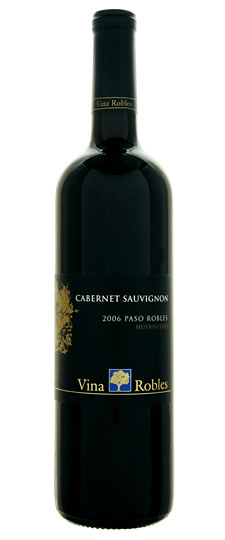
Just Over $20: 2008 Viña Robles Cabernet Sauvignon Huerhuero Vineyard (suggested retail $22; this new release currently available at the vineyard; previous releases available elsewhere for $15-$25) This was a wonderful wine, and tasted like something considerably more expensive than the sticker price. Aromas and flavors of currant, pencil lead, and eucalyptus made for an elegant and complex wine. With air, the currant notes turn plummy. The aftertaste is smooth, with spicy, well-integrated tannins. This is a lot of wine for $22, and excellent QPR.

Full Disclosure: I received samples of these wines for possible review.

Monday, December 13, 2010

Dessert Wines for Drinking and Gifting

I don't drink much dessert wine between January and November, but something happens to me at Thanksgiving and between then and New Year's Eve I find myself longing for a glass of sweet wine, a good book, and some holiday music.

Dessert wines typically come in smaller bottles (usually 375ml or 500 ml, rather than 750 ml), although there are exceptions. They are perfect for four to five people to share after dinner, and survive on the counter or in the fridge with a cork in the bottle for 3-5 days if you don't finish them up.

Though they are a bit more expensive than most of the wines reviewed on this blog, 'tis the season for gifting and indulging, so I decided to do a roundup of some of the more affordable bottles I've enjoyed recently in case you wanted to give a friend--or yourself--a bottle.

NV Martini & Rossi Asti Dolce ($6-8/375ml and $8-11/750ml) A sweet sparkling wine from Italy, this is frothy with ripe peach and honey aromas and flavors. Would be very nice with any desserts involving orchard fruits, and is a glass of this on its own is a dessert in itself! Very good QPR.

2009 Susana Balbo Torrontés Late Harvest (suggested retail $30/500ml; click here to find retailers in your area who might have it) A winning dessert wine from Argentina, with great acidity and spice along with honeyed citrus peel aromas and flavors. The wine becomes more flowery as it warms slightly and gets some air. This is a little like a Sauternes in its balance between sweetness and bright acidity. Very good QPR.

N.V. Rotta Black Monukka Dessert Wine (available for $26/375ml; also available directly from the winery) Exceptional in every way, this may well remind you of old and rare Palo Cortados or Olorosos from Spain. Fantastic caramelized orange peel and toffee aromas and flavors are rich and pure. This wine would be superb with pumpkin pie, caramel desserts, or with a selection of aged cheeses. Highly, highly recommended and a steal for the price. Excellent QPR.

2008 Susana Balbo Malbec Late Harvest (suggested retail $30/500ml;
earlier vintages available for $22-$30/500ml) This smells and tastes just like the holidays with cinnamon, clove, orange peel, and anise aromas and flavors. The wine has a silky texture, and is much lighter than a port. Bright red fruit, with cinnamon--yes, cinnamon--running from the midpalate through the finish. Very good QPR.

2005 Château Doisy-Védrines Sauternes (available for $23-$26/375ml or
$36-$60/750ml). A lush, affordable Sauternes with characteristic apple, honeycomb, orange peel, and a touch of pineapple. This wine is still very young, and will continue to improve with age but it is drinking just beautifully now. Excellent QPR.

Full Disclosure: I received samples of the Asti Dolce, Late Harvest Torrontes, Late Harvest Malbec, and Black Monukka wines for review. All other wines mentioned were purchased by me in the market.

Thursday, November 18, 2010

When Spending a Little More Is Worth It

Though my wine reputation is all about finding great bottles that cost less than $20, I do on occasion stray over that financially responsible line. Sometimes I regret it, since the wine I splurged on (even if it's only a $2 splurge!) isn't worth it. Other times, I feel like those few extra dollars deliver significantly more in terms of taste and enjoyment.

What follows are some recommendations for wines that deliver excellent QPR even though they are a bit more than those I usually recommend here on the blog. None, I hasten to add, cost more than $30. Perhaps you're looking for a special bottle for a special dinner. Maybe you're looking for a bottle to give a host or hostess for a gift. Then again, you might just want to treat yourself. While there is certainly no need to go over $20, one of these bottles may just tempt you into plunking down a little bit more at the cash register. When you pop the cork, however, I think you'll agree that it was money well spent. (click on the wine name to be taken to a list of retailers)

Great Napa Cabernet--for around $25: the 2006 William Hill Estate Winery Cabernet Sauvignon. This delivers everything that is good and great about Napa Valley Cabernet Sauvignon for a pricetag that won't leave you gasping. Rich aromas of cassis and plum serve as a prelude to the equally rich, beautifully balanced flavors. More currant and plum notes on the tongue are accented by a herbal aftertaste. Abundant acidity keeps the wine from feeling heavy. This is delicious now, and it should continue to improve through 2014 if you have a cool, dark place to keep it. Kudos to William Hill for making classic Napa Cab for the people.

Fantastic Italian Red for around $22: the 2006 Marchesi de' Frescobaldi Chianti Rùfina Nipozzano Riserva. I adore Italian red wines, but tend to steer clear of Tuscany because of the high prices . This pure Sangiovese wine from the Chianti Rùfina is one of the rare exceptions to that rule. It had delicious blueberry, blackberry, and spice aromas. The flavors are equally berryish, with some cherry and a nice tobacco element that keeps it from getting sappy. Excellent and fruity now, but I would expect it to really bloom in the next few years.

Distinctive Malbec for $25: 2008 Bodegas Escorihuela Gascón Malbec Don Miguel Gascón Reserva. Many Malbecs are perfectly enjoyable fruity red wines. This is not that kind of Malbec. Instead, it's the kind that makes you sit up and think "wow--this is what Malbec can be." It has plum blossom aromas, a blackberry fruit core, and an aftertaste that reminded me of the smell of my mom's cedar chest and the way the spice drawer smells after years of use. This would be terrific on a holiday table that featured beef.

Complex, Layered White for around $22: the 2008 V. Sattui Winery Sauvignon Blanc Vittorio's Vineyard St. Helena. From the prestigious St. Helena appellation of Napa Valley, this is a complex, layered white wine that delivers a great deal in terms of flavor and style for a relatively modest cost. Meyer lemon, hay, and apple aromas give way to a more bitter taste of lemon pith, grapefruit, and stone. The contrast between the sweeter aromas and the dry, more powerful flavors is subtle but clearly drawn and this is a very nice change of pace from assertive Sauvignon Blancs. Very elegant, and far above the ordinary.

A Distinctive French Sparkler for under $27: the N.V. Philippe Bornard Crémant du Jura Blanc de Blancs. Made with Chardonnay grapes, this wine is a delicate, refined sparkling wine that will impress palates used to clumsy, raspy sparklers at this price point. A touch of salt accents the lemon and apple flavors and aromas. Refreshing and light, this wine will not bowl you over but instead entice you to sip more--and more.

Full Disclosure: I purchased the sparkling wine at a local wine store. I received bottles for review of the Cabernet, the Chianti Rufina, the Malbec, and the Sauvignon Blanc.

Thursday, August 19, 2010

Note to Self: Syrah Can Be Stunning

Because of my special niche in the world of wine reviews, there are times when I have to deliberately uncork a bottle of wine that is MORE than $20. It usually happens when I've sipped 15 terrible/insipid/manufactured iterations of grape X and can no longer remember what the hell it's supposed to taste like.

This recently happened with Syrah. I love Syrah. It is arguably my preferred red grape, and appears in my favorite red blends from the Rhone. Bad Syrah, however, is nasty. As in cough syrup nasty. And after a dozen bottles of nasty, I just swear off the stuff for a while because it hurts my heart to see people treat grapes--especially grapes from the Rhone--badly.

I was touting up what I'd tasted so far this year and realized I'd only found four bottles of Syrah that were remotely drinkable. So I plucked out a bottle I was pretty sure would deliver a reminder of how stunning Syrah can be: the 2006 Zaca Mesa Syrah from the Santa Ynez Valley. (suggested retail $23; available for $15-23) This is not a gentle Syrah, but a big, rich, in-your-face, mouth-coating wine that is a total steal for the price, delivers excellent QPR, and drinks like a wine that costs twice or three times what you will have paid for it. My only caveat about this wine is this: do not even think about having a glass of it and trying to walk in a straight line. The label says 15% alc./vol. and I believe it--and then some.

In the taste department, expect exotic aromas of summery flowers and plums, with a bit of clove around the edges. There are more plum and clove notes in the flavors, along with allspice and mocha. There's a nifty mocha jolt in the aftertaste, too. Very good, nicely made, and a reminder of what Syrah can be all about.

Most people reach for Cabernet when they're making steak, but I love Syrah with cuts like skirt steak that have been marinated for a long time and then popped on the grill. We paired this bottle with a skirt steak marinated in orange and ale and the spicy, coffee, and clove notes in the Syrah were just lovely with the citrus in the marinade. And the robust wine handled the beef nicely.

Full Disclosure: I received this wine as a sample.

Thursday, August 05, 2010

Toasting Summer's End

Over the next few weeks, most of us will be saying goodbye to summer. Labor Day marks the official end for many, but some of us (me) are headed back into the classroom long before that. Many are getting their kids ready for school.

Take an opportunity before summer's warmth fades and the hectic back to school rush starts with a glass of sparkling wine. Even better, share it with somebody you love--or several somebodies. Invite friends over, chill a bottle of bubbles, and sit back and enjoy the long twilight.

If you're looking for a perfectly lighthearted, eminently enjoyable bottle, try the NV Gloria Ferrer Va de Vi Ultra Cuvée ($20.99 in my local independent grocery store; available for $14-$25). This pleasant domestic sparkler has a warm, pale yellow color. That soft, warm appearance is as summery as a sparkler gets, and a good indication of the gentle wine within. The wine is nicely frothy, and the bubbles are relatively fine which provides a smooth drinking experience. I detected aromas of pear and lemon, and these summery smells were echoed in the flavors along with some rich cherry notes and a hint of warm bread. This wine is technically "extra-dry" which means it is not quite as dry as a brut sparkling wine, and is made predominantly from Pinot Noir grapes with some Chardonnay and a touch of Muscat. I think it would be perfect for toasting the season with friends, and pairing with hors d'oeuvres and spicy or fried foods. Very good QPR.

Monday, July 26, 2010

Pinot Noir--Both Red and Rosé

I'm writing from the Sonoma Coast appellation as I often do this time of year, and it wouldn't be proper if I didn't include a post about the coast's favorite grape: Pinot Noir. Today, I'm highlighting the versatility of the grape by writing about a traditional red Pinot Noir, as well as a rosé made with the grape--and both are under $20. In addition, I'm tipping you off about what just may be the best value in Pinot Noir. Period. It is a little pricier than most wines I review here at just under $30, but drinks like a wine that is easily twice or perhaps even three times the price.

First up, we have the 2007 The Other Guys Pinot Noir Moobuzz ($17.99 in my local independent grocery store; available for $11-$18) Underneath a truly bizarre closure that must be peeled and then tugged, this wine goes through an awkward stage when first opened, when I detected a strong note of acetone in the aromas. It settles down quickly, though, to more appealing aromas of red raspberries, huckleberries, a touch of high-toned pomegranate. These red fruit aromas are evident in the flavors as well, along with additional earthy and spicy notes (especially baking spices like allspice, cloves, and cinnamon). A decent food wine, think of this when you're serving some grilled salmon this summer. Very good QPR.

For another very good QPR Pinot Noir, think pink. The 2009 Fort Ross Pinot Noir Rosé from nearby Fort Ross Vineyard is a delicious wine that expands your sense of the grape into the land of affordable summertime sippers. ($11.99 in my local independent grocery store; available elsewhere for around the same price) The wine is surprisingly dark in color--a rich, deep tea rose--but the aromas and flavors are quite dry and laced with mineral notes. You will find strawberry and herbal flavors and aromas, too. The aftertaste is dry, but retains its mouthwatering juiciness.

And finally, I recommend the excellent QPR 2008 Cep Vineyards Pinot Noir Sonoma Coast. ($25.99 in my local independent grocery store; available elsewhere for $23-$31) It used to be something of a hush-hush matter that this was Peay Vineyard's second label, but it's all over the web now. This is perhaps the best value in under $30, made by talented winemakers with some amazing fruit that just wasn't quite up to their high standards. This wine is quite young at present, which translates into "quite spicy" so give it some time in a cool dark place or some time to open up before you drink it now. (It would be a lovely wine for holiday dinners in November and December, by the way). Its raspberry, orange peel, clove, and allspice aromas and flavors are scrumptious and a perfect lead in to the flavors that follow. As wine opened there were mineral, cinnamon, and herbal notes, too. This wine is very complex for the price, and with a classic--and classy--Sonoma Coast profile.

Thursday, July 22, 2010

Putting Some Sparkle in the End of the Week

Sparkling wine is one of life's greatest pleasures. Regular readers know how fond I am of wine with bubbles in it, and I'm always on the lookout for new ways to bring some into the house without breaking the bank.

So when Jill at domaineLA mentioned she had a new sparkling Riesling on the shelves, I decided to give it a try.

The 2008 Reichsrat Von Buhl Riesling Brut [Sekt] is a dry wine with piercing apple aromas and hints of petroleum around the edges which is characteristic of Rieslings from this part of the world. Abundant yet fine bead gives the wine a nice texture that is lively without being harsh or raspy. You will find flavors of yeast, bread dough, and apple as you sip and the aftertaste left in your mouth will draw you back for more. A fun sparkler for $25, with lots of class and very good QPR.

I think you could easily open this bottle when you are tempted to splurge on a French champagne, given its classic flavor profile.

Monday, March 01, 2010

The Benefits of Short-Term Aging: the Case of Cabernet Sauvignon

I suppose there is a technical difference between cellaring and short-term aging. Cellaring wine, for me, means putting wine away for so long that you forget you have it and then are pleasantly surprised to discover you actually do NOT need to buy wine for Christmas 2015 because you actually bought wine for that occasion back in 2007!

But even short-term aging--by my definition wine that you set aside for 1-3 years--can make for a nice discovery when, on a cold winter's night, you make yourself a soup or roast or even whip up some burgers and find that you have a perfect bottle of wine that's been sitting around waiting for you.

As you know I drink mostly wine under $20, but even bottles that cost relatively little can benefit from some time to grow. What happens when they do? To my taste, the wines become smoother and more subtle. The fruit steps quietly aside and lets other notes--floral, herbal, woody--come forward. These are all transformations that I enjoy.

Take, for instance, my recent experience with the 2005 Black Sheep Finds "Genuine Risk" Cabernet Sauvignon. I bought it from online retailer domaine547 (now with an LA-based store, domaineLA) back in February 2008 for $20.99. Fast forward two years to February 2010. I loved this wine, and found it had excellent QPR because of its outstanding Cabernet characteristics. There were aromas of currant, plum, graphite, and licorice, all of which were echoed in the flavors. Hints of herbs and a nice spark of green pepper emerged, too, keeping the wine lively and interesting. It never became too vegetal, with red and purple fruit continuing through into the aftertaste.

If you are interested in more recent releases, the 2006 is available. Based on my experience I'd recommend buying three bottles, enjoying one now for a point of comparison, and drinking the remaining two bottles sometime between 2011 and 2013.

Wednesday, February 24, 2010

Goldilocks on Pinot Grigio

Remember the children's story of Goldilocks and the three bears? She wanders into a cabin and finds three bowls of porridge. The first is too hot. The next is too cold. The third, however, is "just right."

I often feel like Goldilocks when tasting Pinot Grigio. Some of them are too bitter. Some of them are too sweet. Some, too tart. Some of them are too fruity. Why are wines made with this grape so often out of balance?

If you're looking for a nicely balanced Pinot Grigio, look for a bottle of the 2007 Swanson Pinot Grigio from the Napa Valley. ($13-$22) Though it costs a bit more, it is very good QPR and worth every penny. Expect bitter lemon aromas, accented by a bit of blood orange. The flavors are nicely creamy yet still citrusy, like lemon curd. This wine is poised between fruit, acidity, lushness, and bitterness.

As Goldilocks would say: "Just right."

Full Disclosure: I received this wine as a sample.

Monday, February 08, 2010

Warm Cabernets for Cold Winter Nights

It's snowing on the east coast, raining on the west coast, and wintery everywhere in between. Nothing suits this kind of weather better than Cabernet Sauvignon, and I've been tasting my way through a nice selection of Cabernets and Cabernet blends in pursuit of the perfect wines to complement soups, stews, and braises.

If you're looking for a red wine to warm up your winter evenings, look for one of these in a store near you, and try out some of these great recipes while you're at it!

2008 Bodegas Osborne Cabernet-Tempranillo Tempra Tantrum. ($11.99) Tempra Tantrum is a new line of Tempranillo-based from the people at one of Spain's oldest and most venerable wineries. This blend is hip, young, and cheerful (just like its maker!) Made in a modern style, the cherry and leather aromas are a nice prelude to a bright, cherry core with some blackberry depth in the midpalate. Made from 60% Tempranillo and 40% Cabernet, this juicy, fruit-forward wine would be great with grilled lamb dishes or paella--or with a zesty chicken chili. Very good QPR.

2007 Luigi Bosca Cabernet Sauvignon Finca La Linda. ($11) I liked this distinctive Cab from Argentina, with its blackberry and plum blossom aromas. There was a decided note of cigar box in the flavors, along with cherry and plum. The wine's smooth, satiny mouthfeel was accompanied by a mocha-inflected finish. Excellent QPR for those who like traditional, earthy Cabernets.

2007 Rodney Strong Cabernet Sauvignon Sonoma County. ($17) This juicy, fruit-forward wine has lots of spice and pepper, which helps it to stay focused. There are abundant, cherry, licorice, and smoky aromas and flavors which makes for an approachable Cab, especially for those who like traditional flavor profiles. Try it with this excellent slow-cooked beef minestrone soup my dad introduced us to. Very Good QPR.

2007 Blackstone Winery Sonoma Reserve Rubric Sonoma County. ($22.99) A wine blended from Cabernet, Malbec, Cabernet Franc, Petite Verdot, Tannat, Merlot, and Petite Sirah it had smoky cherry aromas and a deeper, plummy flavor spectrum. The wine was made brighter with crisp white pepper notes that continued into the aftertaste. Very good QPR, even though the suggested retail is a tad over $20.

2007 Robert Mondavi Winery Meritage Private Selection. ($11) This Bordeaux-style blend of Cabernet, Merlot, Petite Verdot, Malbec, and Cab Franc has classic notes of tar, currant, and leather in the aromas. All these lead in to a red currant flavor, which opens up to richer plum and pepper. Give this bottle some time in the decanter, and you'll be very pleasantly surprised. Buy two bottles and make some braised short ribs. Excellent QPR.

2006 Rancho Zabaco Cabernet Sauvignon Dancing Bull. ($12) I'd already tasted this wine last February when it was at an earlier stage of its life cycle. A year on, this tasted quite different. Meaty, cherry aromas led to flavors of cherry, oak, blackberry, and a bit of baker's chocolate in the aftertaste. There is nice grip in the end, although the wine tastes quite smooth when it first hits your tongue. Very good QPR.

Full Disclosure: I received all these wines as samples. All prices given are the suggested retail prices. You may find them for less in your market. Clicking on the name of the wine will take you to various wine search engines, in case you are looking to buy a bottle near you.

Wednesday, September 30, 2009

Good Pinot Noir--Under $28

I've been fighting the good fight to bring you Pinot Noirs under $20, but it's not getting any easier. If you like this delicate, silky grape you are not alone. And if you are struggling to find a wine you like for under $20, well, you're not alone there, either.

Here are my favorites among the new fall Pinot Noirs I've tasted thus far. And--miracles do happen--one is actually under $20. And I'm seeing a wide variety of prices for these wines--sometimes they are on sale for far less than the suggested retail. What's going on? Has the Pinot Noir market softened? Even if the suggested retail seems out of your price league, check your local merchants because you might find one of these bottles for far less than I quote here.

Special kudos go to Sean Minor Wines for delivering a Pinot Noir under $20 that can hold its own with more expensive bottlings. Their 2007 Sean Minor Wines Four Bears Pinot Noir ($17; available for $12-$20) is made with grapes from Napa Valley's Carneros AVA. This is a very good, affordable example of a Carneros Pinot Noir. The aromas are full of berry and sour cherry. The flavors are earthy and chalky, with lovely cherry notes held together by the wine's silky texture. The wine has a pleasant, juicy aftertaste with good acidity. Excellent QPR.

2006 Whitehaven Pinot Noir Marlborough ($25; available for $19-$26) I liked the bright cherry and char aromas that were layered with a touch of bacon fact as the wine opened up. The wine's satiny texture enveloped sour cherry, allspice, and meaty flavors. The aftertaste was juicy and peppery, with some roughness to the tannins that should resolve in time. Very good QPR.

2007 Sebastiani Vineyards & Winery Pinot Noir Carneros ($27) Another nice Carneros Pinot Noir for under $30, this one has aromas of brown sugar and cherry. The flavors of cherry, earth, and spicy clove are arranged on a light-bodied, lacy frame. There is a spicy, toasted toasted oak aftertaste that comes as a bit of a surprise, but it somehow works. Good QPR.

2007 MacMurray Ranch Pinot Noir Sonoma Coast ($28; available for $12-$22--and if you get it for $12 you will think it is stupendous in the value department) I admit it. I'm a Sonoma Coast Pinot fan. This is a classic bottling for that region, and affordable, too. The aromas of raspberries, earth, and rocks are what I've come to expect from a good Sonoma Coast Pinot. The flavors were far meatier than the aromas suggested, with berry and cherry fruit, and there was lots of earth and spicy clove in the aftertaste. It tastes just a bit clumsy at present, but I think it will resolve beautifully over the next 6 mos to 3 years, and reward some time and space in your cellar if you can spare it. Very good QPR (unless you get it for under $20, at which point it's excellent QPR).

Full disclosure: I received these wines as samples.

Wednesday, September 23, 2009

A Ligurian Red That Dresses Up--or Down

I'm finishing up with my whirlwind tour of Ligurian wine as part of my ongoing trawl through Italy's wine regions and grape varieties.

Even though I spent more than $20 on this wine ($25.99, to be precise), I'm still pretty pleased with the very good QPR on the 2005 Azienda Agricola Durin Ormeasco di Pornassio. ($25.99, Wine Expo--and I can't seem to find it anywhere else!) This is a classy, distinctive wine that offers up lots of character for the price.

Ormeasco is Ligurian for Dolcetto, I discovered, and one of the things I like best about the grape is that it's a wine that is just as good with pizza and spaghetti with meatballs as it is with grilled beef, roasts, and more elegant fare. It's a dress-me-up, dress-me-down kind of wine. This was a really lovely example of what Dolcetto/Ormeasco is all about. First, Dolcetto is a treat for the nose. There were aromas of licorice (which I love and it can be hard to find in a wine), cherry, fresh green fennel, and blackberry that you had to coax out of the glass at first, but which were worth the wait. I found echoes of all these notes in the flavors, with additional grilled herb nuances emerging in the aftertaste. There are cheaper Dolcettos out there, but they are far simpler than this wine turned out to be.

This wine would be fantastic with dishes that involve rosemary or fennel (to pick up the herbal notes), with meats (chicken, duck, and beef), and with anything that is Mediterranean in its culinary influences.

Monday, September 14, 2009

Pigato: The Briny Grape from Liguria

This month I'm exploring the wines of Liguria, and first up is a fairly pricey bottling of Pigato that I purchased at the Los Angeles Italian wine mecca, Wine Expo.

Ligurian wine--and Pigato in particular--is pretty rare in American wine shops. This is a shame, because Pigato is an intriguing grape, and you once you've tasted it you won't mistake it for something else. The grape has a blotchy, speckled appearance and makes wines that are aromatic and have a distinctive, salty tang to them that reminds me of the seaside.

My Pigato cost $25.99, and for that price I expected it to be memorable. However, I didn't check the vintage (when will I EVER learn to do this, especially with Italian whites, which tend to linger on wine store shelves?) and it turned out that the bottle was from the 2005 vintage and probably two years past peak drinking. You can get a more recent vintage for less money in the market now, and if you can I'd recommend giving this variety a try.

The 2005 Durin Pigato Riviera Ligure di Ponente may be at the end of its life, but it's aging gracefully and still exhibits what I love most about Pigato: the blend of saltiness and citrus that reminds me of a briny preserved lemon. Given its age, the wine was a bit waxy and honeyed in its aromas and flavors, but I still found that combination of lemon pith and saltiness refreshing and it just made it into the good QPR category. However, had the wine been younger and fresher I suspect I would have been more impressed.

Pigato is great with seafood--that's the classic pairing that everyone will mention--but don't underestimate how good it is with pesto. If you've got access to a bumper crop of the herb, whether from your own garden or the farmer's market, whip up some pesto, cook some linguine, toss the two together and chill down your Pigato. The saline tang of the wine is marvelous with the herbaceous salinity of homemade pesto.

Monday, August 24, 2009

A Sweet Tip on Dessert Wine

It's peach season--or at least that's the evidence from my local farmer's market. Nothing quite says late summer to me like some really ripe peaches, perhaps some vanilla ice cream, perhaps some meringues or madeleines, and a cool glass of dessert wine.

In the event this dessert suits you, too, and you don't have a stash of Sauternes begging to be opened,try to get your hands on some of the 2006 Bonny Doon Vineyard Le Vol des Anges Beeswax Vineyard ($25.50/375ml, club shipment from winery a few years back; still available in the market for $29-$33/750ml--but I'm dubious they're full bottles so check before you order).

I was very, very impressed with this wine, which was made from Roussanne grapes that had been blessed with "noble rot" or botrytis. While I often find US dessert wines much too sweet, and lacking in the acidity that brings balance to a wine, this bottling had a excellent balance. It also had a definite Sauternes-like aroma and flavor profile. The wine was a luscious deep gold in color with a satiny, slightly viscous texture. The aromas and flavors were very similar, with honey, quince, and candied lemon notes predominating. In spite of all that sweetness, there was a solid core of acidity that kept the wine from being too cloying. Kudos to Bonny Doon for this well-made wine that was worth every penny it cost. Though you may find dessert wines that are a tad cheaper, I have yet to have a domestic dessert wine this good for this price. Very good QPR.

So get yourself some peaches of other summer fruit, and treat yourself to an elegant dessert in the not too distant future. And if dessert wines are something you only drink at the holidays, nab some of this now while it's still available.

Tuesday, August 18, 2009

The Benefits of Short-Term Aging

Some joke that most Americans age their wine on the back seat of the car on the way home from the store. Talk about cellaring wine and people start to look anxious. They imagine that they'll no longer be interested in drinking a wine 5-7 years after they buy it. And if they don't have a wine fridge or a cellar, they wonder where they'd keep a bottle of wine for that long.

But what about short-term aging? I'm starting to become a real fan of storing most red wines for 1-3 years. This falls far short of what most people mean when they talk about "cellaring" wine, but it has advantages. It tends to soften a wine's edges; it tends to bring out nuances in the wine beyond just its fruit; and it gives the wine a lushness that isn't always there when it's young.

Here's my latest experience with short-term aging. Two years ago, on a nice August day in 2007, I visited the Navarro Winery tasting room and sipped some 2004 Navarro "Méthode à l'Ancienne" Pinot Noir from the Anderson Valley. Here's what my tasting note said: "Nuts, earth, and mushroomy/truffley notes accent this Pinot with its core of bright acidity and its cherry fruit. I think it will age very, very nicely." So I bought a bottle for just under $25 and tucked it away.

This is what I tasted almost two years to the day later: "This has been in the cellar for 2 years, and is drinking even better now. Bright fruit is still present (cherry, blackberry), with integrated earthy and mushroomy flavors, a nice lashing of minerality, and the acidity has moderated somewhat resulting in a rich, flavorful, yet bright drinking experience. Everything new world Pinot Noir is supposed to be, for around $25. Exceptional QPR."

If you want to try your own "short-term aging" experiment, Navarro is currently selling the 2006 vintage in their "Favorite Six" Sampler--six wines for $127.00 + shipping. You do the math, but I think that works out to around $21 a bottle, and there are other treats in there, like Navarro's Riesling and Gewürztraminer that you can drink while you wait for your Pinot Noir. Or you can just get the 2006 Pinot Noir for $29/bottle.

I can't promise your results will be exactly the same as mine, but next time you buy a wine you like, get yourself another bottle and put it aside for a few years. Then you can see for yourself whether you prefer your wine aged on the back seat--or left for a few years beyond.

Tuesday, July 07, 2009

I Have Seen the Future of Wine--And It's Alsace

As someone who focuses on wine values, I've always got my eye out for wine regions that produce excellent wines at affordable prices. Sometimes they're up-and-coming new wine regions. Sometimes, however, I "discover" a wine region that is steeped in tradition but which, for some reason, seems to be flying under the radar of press and consumers. In both cases I feel like I've seen a glimpse of the future, and that it's only a matter of time before more people catch on and start seeking out the region's wines.

I recently caught just such a glimpse of the future when I was invited to taste wines from the northern Alsace made under the Helfrich label. That's Frederic Helfrich to the right, who works with winemaker Benoit Pattin to craft wines that are true to the region's style and aren't manipulated to taste like wines from somewhere else.

As "discoveries" go, this qualifies as one that was just sitting under my nose. They've been growing grapes--mainly white wine grapes--in the Alsace for at least two thousand years along a stretch of French countryside between the Vosges Mountains and the Rhine River that has swapped allegiances a number of times. In some areas, German is spoken. In other areas, French is the native tongue. What this means is that Alsace wines blend tradition, innovation, and diversity. They also taste great, and are extremely affordable given the quality of what's produced.

I am a huge fan of Riesling and Gewürztraminer, which makes up about 40% of the grapes grown in the Alsace. Pinot Blanc, Pinot Gris, and Pinot Noir are also well-represented, and thrive in the region's soil and climate. The region has three AOCs (Appellation d'Origine Contrôlée): Alsace, Alsace Grand Cru and Crémant d'Alsace. Well known winemakers from the region include Trimbach, Hugel & Fils, and Domaine Zind-Humbrecht.

But it's worth seeking out wines made by less familiar names. The region is home to hundreds of producers who are making wines with plenty of personality that have an attractive price tag. Helfrich's wines, for example, come in two price tiers: an entry level wine that is $14.99 (and drinks like a $30 wine) and a Grand Cru series that retails for $24.99 (while tasting like a $50 wine).

Here were a few standouts from my tasting. Alsatian wines are perfect for summer--refreshing, aromatic, and flavorful--but I can imagine many other occasions when they would be great to have on hand, such as Thanksgiving, Easter, with clam chowder in January, and with the first picnic in April to name just a few.

2007 Helfrich Riesling (AOC Alsace, $14.99; available for $9-$17). As this crisp wine opens in the glass, it reveals aromas of apple and then peach. These continue on into the flavors, where they remain barely 0ff-dry with plenty of stony, mineral notes to keep the fruit in check. Rich withough being heavy, this is one of the nicest Rieslings I've had at this price point. Excellent QPR.

2007 Helfrich Pinot Gris (AOC Alsace, $14.99; available for $9-$17) Much richer than the Riesling, this Pinot Gris has aromas and flavors of smoke, grass, and apple with a mineral inflection in the finish. It will stand up to rich, fatty foods like foie gras and lobster. Another wine with unusual complexity and personality given its price. Excellent QPR.

2005 Helfrich Gewürztraminer Grand Cru (AOC Alsace Grand Cru, $24.99; available for $14-$23) This stunning, age-worthy wine comes from the Steinklotz Vineyard. It's honey and rose aromas lead you into a wine with lychee and apple flavors and a deliciously spicy aftertaste that is true to the grape and seldom in evidence in modern Gewürztraminers. Excellent QPR on a Grand Cru wine with real style and class. (And if you get a crack at the 2008 vintage, buy it. It is very young now but it will be stunning when it settles down.)

Get to know the Alsace and its wine. They're the future.

Wednesday, July 01, 2009

Old World/New World: Comparing 2003 Cabernets

The summer puts me within arms' reach of my wine cellar--a long windowseat in a house in the woods that that never goes above 60 degrees. (you can see the tell-all pictures here) Every wine bottle I unearth has some history attached to it--where I bought it, when, why--and it feels like greeting an old friend to see them again.

While puttering in the windowseat I found two bottles of Cabernet Sauvignon-based wines from the 2003 vintage that had entered my cellar the same month--December 2006. One was from France's Haut-Médoc region in the Bordeaux. The other was from California's Alexander Valley. I decided to grill some steaks and open both bottles to compare their taste and their readiness for drinking. I like experimenting with cellaring wines, and usually find that my patience is rewarded.

The first wine, the 2003 Château Cantemerle, cost me $20.99 from K & L Wines. I purchased several bottles in April 2006 as Bordeaux futures. They arrived in December 2006 and were promptly stored in my windowseat cellar. Even six years after harvest and with two and a half years of cellaring I think it might have been a bit early to open up this wine, which is made from a blend of Cabernet Sauvignon and Merlot. When I pulled the cork, there were aromas of earthy funk and leather. Over the course of the evening, plum and cassis aromas and flavors were added to the earthiness, along with some herbal notes. What I most liked about this wine was its silky texture, and the way the wine tasted like a cross between a Burgundy and Bordeaux. The wine was still awkward, though, a little like a gawky adolescent. Nevertheless, I think it represented very good QPR for Bordeaux, and will be interested to see how the other bottles develop over the next 2-4 years.

I purchased the second wine, the 2003 Chateau Souverain Cabernet Sauvignon, in December 2006 at Costco. The price was $14.99, and it's been waiting in my cellar ever since. I expected this bottle to be a bit more integrated and really hitting its stride--and it was. Alexander Valley Cabernets are (in my opinion) a bit "old world" in style, so I was ready for the initially strong aromas of cassis and bell pepper that I associate with red wines from this part of California. As time passed, however, there were more plummy and cassis aromas and flavors, accompanied by some toasty oak, and the vegetal notes faded. I liked this wine's lushness, and its cinnamon-inflected finish. All in all, I thought it was excellent QPR for the price paid and was glad that I'd let the wine sit as long as it did before opening it up. Right now the wine's compexity is evident. If you have any of this wine in your cellar, I suggest opening it up now or over the next two years.

If you've got some 2003 Cabernets in your cellar, are you drinking them yet? And if so, what are your experiences?

Monday, June 01, 2009

Retasting a Tried-and-True Favorite from Chianti

The first Chianti I ever bought was a bottle of Marchesi de'Frescobaldi Nipozzano Riserva. I knew nothing about Chianti--not what grape it was made from, or what the words "Chianti Rufina" meant on the label. Since then I've learned the answer to the first question (Sangiovese) and the second (Chianti Rufina is a particular sub-region of Chianti that is north and east of the main wine-producing area. You can find out more about Chianti Rufina from these articles I found on AbleGrape).

And I've also had a lot more Chianti. I like Sangiovese, with its lighter body and earthy flavors. But Chianti prices skyrocketed a while back and I drink less of the wine than I'd like. But wines from Chianti Rufina represent some of the best QPR in this prestigious wine region--as I was pleased to rediscover with the latest release of my tried-and-true favorite.

The 2005 Marchesi de' Frescobaldi Chianti Rufina Nipozzano Riserva (available for $17-$28) is an excellent QPR Italian Sangiovese. It had wonderful cherry aromas and flavors that were both fresh and rich. The wine picked up some additional complexity in leather, oak, and spice notes. There was a luscious, juicy aftertaste and the wine had excellent acidity which made it a terrific partner for food.

If you're looking for a meal to pair with your Chianti Rufina, try this pasta dish with arugula-almond pesto and meatballs. The arugula and almond pesto will save you some money (at least until the summer basil comes in), and has a wonderful flavor. The meatballs are made with a dash of red wine and two kinds of ground meat. I made the recipe twice--once with the lavender the recipe calls for and once without--and preferred the version without the lavender. Either way the herbal pesto and the cherry fruit in the wine work well together, and the meatballs pick out the leathery, spicy aspects of the wine.

Full Disclosure: I received this wine as a sample.