Showing posts with label merlot. Show all posts

Monday, October 24, 2011

Much-Maligned Merlot

Once the darling of wine-by-the-glass programs around the country, and purchased by the gallon by people who didn't know what else to buy, Merlot has been relegated to the margins of wine culture. "You drink Merlot?" people have asked me with horrified expressions.

Yes. I drink Merlot. It's a great food wine--far easier to pair with most dishes than its more structured sibling, Cabernet Sauvignon. Merlot has a bit of softness, a hint of richness, that make it a good choice for autumn and winter meals.

But Merlot critics do have a point: there was such a high demand for Merlot some people got carried away and began mass-producing wines that lost all of the plummy, peppery, clove, and mocha notes that make wines made with this grape distinctive.

Here are a few affordable bottlings that will get you reacquainted with Merlot. And here's a handy list of foods that go well with them: Mustard, Mushrooms, and Meatloaf (and other dishes made with ground beef). It's an easy list to remember, and will help you out in the store whether you're inspired to make Melissa Clark's Chicken with Mustard Croutons, Jamie Oliver's pappardelle pasta with wild mushrooms, or a classic meatloaf or burger.

2009 Rutherford Ranch Merlot (suggested retail $18; available for $14-$20) With characteristic chocolate, plum, and spice notes that persist from the aromas, through the flavors, and continue on into the aftertaste, this is a very good QPR choice. Nicely balanced between fruit, acidity, and oak, the wine impproves with air, suggesting it is suitable for drinking between 2011 and 2014. Buy a bottle for now--and set one aside for 2012 or later.

2009 Arroba Winery Merlot (suggested retail $19.95; available for around $15) A good QPR choice with plum and baking chocolate aromas and flavors. Good acidity and spice in the aftertaste makes you head back to the glass for another sip.
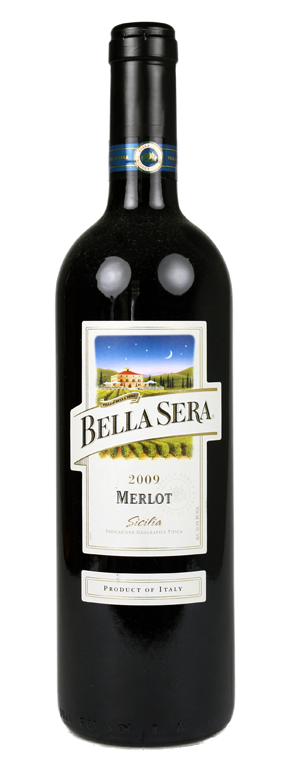
2009 Bella Sera Merlot (suggested retail $7.99; available for $7-$11) Very good QPR at around $8, this Merlot smells and tastes of plums with hints of chocolate around the edges and pleasingly smooth tannins. It may not convince Merlot skeptics, but those who enjoy the grape should give this Sicilian bottling a try.

2008 Concannon Vineyard Merlot Selected Vineyards (suggested retail $10; available for $7-$11) Another very good QPR Merlot for the price, with more structured rich plum and currant aromas. These fruits are evident in the flavors, too, which are nicely accented with spice. A reminder of the versatility or Merlot, and that the grape can be great if treated well.

If you haven't had Merlot for a while, give it another try. You may find yourself pleasantly surprised by what's on offer these days.

Full Disclosure: I received samples of these wines for possible review.

Monday, April 04, 2011

A Red for All Seasons

Last week I was extolling the virtues of spring. Now it's grey and drizzly again. In some places, it's still snowing. With the variable weather, it's hard to know which way is up. Do you dust off the grill and barbecue chicken? Or do you make a pot of stew? And what do you drink in the wine department, given it can be 86 degrees one day and 59 degrees the next?

Regular readers know that I love red blends because they're food friendly. This time of year, though, I am especially fond of them because their versatility means that they are as welcome next to grilled chicken as they are soup. So when the weather gets this way I make a bit pot of chili, pick out a red blend, and no matter whether if feels like June or January I'm ready to go.

A red blend I enjoyed recently with a pot of beef and black bean chili was the 2006 Tamarack Cellars Firehouse Red from Washington state's Columbia Valley. ($19.69 in my local independent grocery store; this vintage available for $20-$25, but more recent vintages can be had for $14-$22) Composed from a blend of Cabernet Sauvignon, Cabernet Franc, Syrah, and Merlot, the result is a juicy, fruit-forward wine with good structure. I've had my bottle for several years, and it's drinking just great now. I detected aromas of blueberry, cinnamon, and baking chocolate, all of which are echoed in the palate. The wine retains a fresh, lively taste through the mouth-watering aftertaste, with some additional herbal and spice notes. What I enjoyed most was the play between the varieties: the Cabernet Sauvignon lending its weight and acidity, the Syrah providing those soft berry flavors and spice, the Cabernet Franc lifting the blend with some acidity and herbs, and the Merlot making it approachable and inviting. Very good QPR.

And if you're looking for some chili recipes, here are a few of my favorites to try:

Fine Cooking's Beef and Black Bean Chili with Chipotle and Avocado

Rachael Ray's Fiery Chicken Chili (warning: makes enough for medium-sized army)

Tyler Florence's Outrageous Texas Chili

Monday, January 17, 2011

Inspired by Mustard--and Merlot

In late December, I went on a cookbook binge. I was not feeling inspired in the kitchen, and my cooking needs had changed from "meals that can be done in thirty minutes" and might involve 28 minutes of standing at a hot stove to "meals that can be thrown together in 5 minutes and then put in the oven for an hour while you answer your email."

One of my great finds was Melissa Clark's In the Kitchen with a Good Appetite. ($27.50) I've made up many of the dishes from this book (and you'll be seeing more recipes from it on the blog), but one that immediately stood out as a "cook me NOW!" selection was this one for chicken parts roasted in the oven on a bed of country bread with garlic, thyme, and mustard. These are some of my all-time favorite flavors, and the prospect of having bread made crispy with mustard and chicken drippings was too good to pass up.

As soon as I read the recipe, I knew that Merlot would be perfect with the dish. So I bought the ingredients, flung them into a heavy roasting pan, turned on the oven, and searched through the wine closet for a Merlot.

The bottle that I found was a 2007 Chateau Souverain Merlot Alexander Valley (suggested retail $17; available for $12-$19). This excellent QPR wine will make you remember what is great and good about Merlot. It's one of the best examples of the grape that I've had recently, with luscious blueberry, huckleberry, and plum aromas and flavors. There are hints of ground coffee in the midpalate and the aftertaste has a distinctive note of cedar.

Those rich, fruit elements, the dark coffee notes, and the cedary spice all went beautifully with the robust chicken and its mellow mustard and garlic flavors. It was the perfect, comforting pairing for a cold winter's night.

Full Disclosure: I purchased the cookbook, but received a sample of the wine for review.

Friday, October 22, 2010

Comforting Weekend Wine and Food Pairings

So, it's the weekend again. Nearly. Almost. If you are biting your nails waiting for 5 pm today, you aren't alone. This time of year it's easy to feel a bit frazzled and in need of some major comfort.

I have three wine suggestions--sparkling, white, and red--and three recipe ideas for you. One menu is vegetarian, one is easy to prep and bakes in the oven (filling your house with yummy aromas and giving you some time to put your feet up), and one is a fun twist on a family favorite.

Brie, Apple, and Arugula Quesadillas with NV Presto! Prosecco Brut

(10.99, Whole Foods; available elsewhere for around $11)
You may have seen this recipe in the latest Cooking Light. It's delicious, fast, and as good for brunch or lunch as it is for dinner. Brimming with gooey cheese, crisp apple, and peppery arugula, what's not to like? Pair it with a softly citrus sparkling wine like this one, and it tastes even better. The wine is a shade past brut in my opinion, with a nice yeastiness to accompany the citrus elements. The fruit aromas and flavors are a lively counterpoint to the apples and the bubbles cut the richness of the Brie a bit. Very good QPR.

Meatloaf and 2008 Meridian Vineyards Merlot
(suggested retail, $9; available for $8)

Meatloaf has to be one of the all-time most comforting foods. I always use the same recipe from the revised Joy of Cooking that includes ketchup, lots of onions, three eggs, and a cup of quick oats instead of the usual breadcrumbs.
You can make meatloaf as light or as rich as you want by using lower-fat proteins like turkey or chicken, but we always go for good old ground beef. With it? Merlot. It's the perfect match. I was impressed by the very good QPR of this bottle of wine, with its rich blackberry and plum aromas. Expect flavors of cocoa, plum, and dark chocolate, with a rich, mocha aftertaste. This wine stands up to the meatloaf, with a nicely plush texture that complements the food.

Hot Dogs with Cheddar and Apples and 2009 Schloss Castell Silvaner Trocken
(available for around $12)

Hot Dogs are a guilty pleasure, one that I indulge in rarely. When I do, I want to enjoy them without any excuses. Finally, I found a recipe that elevates the simple hot dog to an even greater treat: hot dogs in pretzel rolls with sauteed apples and cheddar cheese. Kids will adore them, but grownups will gobble them up, too. The recipe provided an interesting pairing challenge, given the slight sweetness of the hot dogs which was accentuated by the apples. The answer was a dry Silvaner from Germany, with its pure apple aromas and flavors. This is a dry wine, but there is a slightly honeyed note in the finish which made it ideal for hot dogs and apples. Expect a fresh, stony, even slightly saline element in the wine, too--like smelling a beach after a rainstorm. Delicious, and excellent QPR.

Full Disclosure:
I received samples of the Silvaner and Merlot for review.

Wednesday, July 01, 2009

Old World/New World: Comparing 2003 Cabernets

The summer puts me within arms' reach of my wine cellar--a long windowseat in a house in the woods that that never goes above 60 degrees. (you can see the tell-all pictures here) Every wine bottle I unearth has some history attached to it--where I bought it, when, why--and it feels like greeting an old friend to see them again.

While puttering in the windowseat I found two bottles of Cabernet Sauvignon-based wines from the 2003 vintage that had entered my cellar the same month--December 2006. One was from France's Haut-Médoc region in the Bordeaux. The other was from California's Alexander Valley. I decided to grill some steaks and open both bottles to compare their taste and their readiness for drinking. I like experimenting with cellaring wines, and usually find that my patience is rewarded.

The first wine, the 2003 Château Cantemerle, cost me $20.99 from K & L Wines. I purchased several bottles in April 2006 as Bordeaux futures. They arrived in December 2006 and were promptly stored in my windowseat cellar. Even six years after harvest and with two and a half years of cellaring I think it might have been a bit early to open up this wine, which is made from a blend of Cabernet Sauvignon and Merlot. When I pulled the cork, there were aromas of earthy funk and leather. Over the course of the evening, plum and cassis aromas and flavors were added to the earthiness, along with some herbal notes. What I most liked about this wine was its silky texture, and the way the wine tasted like a cross between a Burgundy and Bordeaux. The wine was still awkward, though, a little like a gawky adolescent. Nevertheless, I think it represented very good QPR for Bordeaux, and will be interested to see how the other bottles develop over the next 2-4 years.

I purchased the second wine, the 2003 Chateau Souverain Cabernet Sauvignon, in December 2006 at Costco. The price was $14.99, and it's been waiting in my cellar ever since. I expected this bottle to be a bit more integrated and really hitting its stride--and it was. Alexander Valley Cabernets are (in my opinion) a bit "old world" in style, so I was ready for the initially strong aromas of cassis and bell pepper that I associate with red wines from this part of California. As time passed, however, there were more plummy and cassis aromas and flavors, accompanied by some toasty oak, and the vegetal notes faded. I liked this wine's lushness, and its cinnamon-inflected finish. All in all, I thought it was excellent QPR for the price paid and was glad that I'd let the wine sit as long as it did before opening it up. Right now the wine's compexity is evident. If you have any of this wine in your cellar, I suggest opening it up now or over the next two years.

If you've got some 2003 Cabernets in your cellar, are you drinking them yet? And if so, what are your experiences?

Wednesday, March 18, 2009

WBW #55: Merlots North and South

It's Wine Blogging Wednesday again, the online monthly tasting event originally conceived by Lenn Thompson of Lenndevours. This month the theme was set by Remy Charest of The Wine Case blog. His instructions were for us to pit the north against the south--but after that he was pretty flexible. You could compare wines from different countries, different regions, or even different parts of the same appellation.

Because I'm trying to come to terms with the wines of Washington state, I decided to drink a Washington state Merlot (north) alongside a Napa Valley Merlot (south).

The 2005 Northwest Cellars Merlot was an excellent QPR bottling blended from 75% Merlot, 13% Syrah, and 12% Cabernet Sauvignon. (suggested retail, $15) Slow to open, the wine developed to reveal plum and cassis aromas with a bright raspberry note. The flavors underwent a metamorphosis from a simple taste of fresh plums to something darker and more complex, with plums, graphite, and smoke. There was some green stemminess as well--which I always like in Merlot--and the rich aftertaste was luscious with milk chocolate notes. This was an uneniably complex and elegant wine, and would be enough to convince any Merlot skeptic still having horrible flashbacks from the 90s that the grape is worth a second try.

For my "south" bottle I opened up the 2006 Sean Minor 4 Bears Merlot from the Napa Valley. (suggested retail $17; available for $10-$18) This very good QPR Merlot opened at first to rich, slightly confected cherry-berry aromas with a hint of green pepper in the undertow. Plum and cherry fruit blended with herbal notes in the flavors, and this rich profile was accentuated with cedar and allspice. The aftertaste was chalky and slightly drying, but this smoothed out with time and air. The wine continued to deepen and gain weight and complexity over the two days that I sipped it.

I think that both of these wines will be even better in 6-12 months than they are now, which makes them good candidates for short-term cellaring. Merlot is a versatile grape food-wise, and will bear as well with summer barbecue and burgers as it will with next autumn's pot roasts, so if you like Merlot I'd stock up on these beauties now.

Drinking one variety from two distinct locations was a great learning experience for me. Going in to it, I would have expected more chocolatey richness from the Napa Wine, and more herbal notes in the Washington wine. My tasting showed just the reverse. Both of these wines were keepers, though, in my book.

Thanks to Remy for a great theme, and I'll see you back here for WBW #56 next month.

Full disclosure: I received both of this wines as samples.

Tuesday, March 10, 2009

Your Very Own Barrel of Wine

A few months back in my weekly column Serious Grape, I was lamenting the fact that nobody was exploring the use of barrels as a way to reduce wine's carbon footprint. Lots of explanations were given as to why we don't go back to the barrels--from storage space to licensing laws. None of them struck me as insurmountable.

Happily, the folks at Red Truck Wines have decided to see just how far they can push alternative packing forward--by going back to barrels. This makes huge sense to me. And hopefully it will to you, too.

For just $29.99 (suggested retail), you will soon be able to get your very own barrel of 2007 Red Truck Red Wine, a blend of Syrah, Petite Sirah, Cabernet Franc, and Merlot. I haven't had the 2007 (yet) but previous vintages have struck me as the perfect, easy-going, fruit-forward house red. The mini-barrel, as they call it, holds the equivalent of four 750ml bottles of wine. I'm not a math whiz, but I think that works out to $7.50 a bottle. There is a tap on the side that keeps air out of the wine and the barrel is equipped with a special gizmo that means you don't have to tilt the barrel to get the last of the wine out of it. And it even has little feet, so it will sit on your cool, dark counter without rolling around. How long will the wine stay fresh? The winery says 40 days--a claim I'm eager to put to the test (although I doubt the wine will last that long).

The mini-barrels will debut this month in Sam's Club stores, and be available through other retailers within the year.

Who's headed straight to Sam's Club with me?

Monday, February 23, 2009

An Unexpected Red from the Veneto

I'm still learning about Italian wine, but when I think red wine from the Veneto I think Valpolicella or Amarone. Made primarily with local grapes Corvina Veronese and Rondinelli, these can be zesty and fresh or full-bodied and silky.

When I looked through my cellars for a Venetian red, however, I came across a bottle that seemed more like a Bordeaux. It was made from Cabernet Franc and Merlot. Cab Franc and Merlot?

Turns out Cabernet Franc is popular in the Veneto--and in nearby Friuli-Venezia Giulia, too. And Merlot, which was probably introduced into Italy at the end of the 19th century, is the 3rd most heavily-planted grape in all of Italy.

After drinking this bottle, I can see why.

The 2002 Serafini & Vidotto Phigaia "After the Red" was hands down an excellent QPR bottle of wine that cost less than $10. ($9.99, Garagiste; the 2004 is available elsewhere for around $20) Expressive aromas of greens, leaves, and a bit of red fruit were accompanied at first by a whiff of something that reminded me a bit of melamine. Happily, that blew off very quickly. The flavors were the real treat, with subtle layers of cranberry, then plum, followed by herbs, some leather, and a bit of tobacco. This complex wine was not the least bit intimidating, given its price tag and its gently unfolding flavors. It was a wine that rewarded active attention as it developed, but didn't demand you stop everything and take notice.

We paired the wine with a take-out pizza loaded with sausage and green peppers and the wine was the perfect backdrop to the herbal, green pepper, and fennel flavors of the pie.

This bottle was just the latest reminder of something I've felt with increasing conviction over the past 15 months as I've been drinking my way through the Italian peninsula: there are treasures to be had here--and some of them are quite inexpensive. Tuscan and Piedmont wines are great. I love them. But there's so much more to Italian wine, such as this unexpected Bordeaux blend from the Veneto.

Wednesday, February 11, 2009

Mysterious Meritage

In your travels you might see wine labeled "Meritage" and wonder --not surprisingly -- just what it is.

Meritage wines are California's answer to Bordeaux blends and to labeling restrictions that require at least 75% of a wine's juice come from a single grape (like Cabernet Sauvignon) in order that it be labeled Cabernet.

In Bordeaux, however, where fabled and sought-after reds and whites are produced, the blend of juice in a wine is often much more even--say 60% Cabernet and 40% Merlot. These wines are simply labeled "Bordeaux" after the place they were made.

Here is the US, where bottles made with a single variety are the norm, consumers have sometimes looked askance at blended wines and assumed they represented lesser quality. Not so, says the Meritage Association, an organization founded in the US in 1988 to promote and produce blanded wines in the Bordeaux tradition. Blended wines can provide wine lovers with greater complexity, age-worthiness, and also a more affordable price--so what's not to like?

I recently tried two very good QPR Meritage blends that I think warrant a second look if you are looking for an affordable red blend that will go well with winter foods such as soups, stews, casseroles, and roasts.

The 2006 Hayman & Hill Meritage Reserve, for example, is made from a blend of 43% Cabernet Sauvignon, 25% Merlot, 15% Malbec, 11% Petit Verdot, and 6% Cabernet Franc fruit from Monterey County. (sample; available from $12-$17) Upon first opening, I smelled the traditional Bordeaux aromas of cassis, plum and spice. Flavors of plum turned more towards cherry as you sipped, and there were some oaky notes and good acidity. Over time, with air, the flavors became much richer and plummier and developed milk chocolate notes. I would expect this wine to improve over the next 12-18 months, although it is delicious now.

The 2006 Robert Mondavi Private Selection Meritage, on the other hand, is made with 72% Cabernet Sauvignon, 10% Merlot, 10% Petite Verdot, 7% Malbec, and 1% Cabernet Franc fruit from California. (sample; available for $8-$11). This is a very new release and was a bit hot upon first opening, but at 13.5% alc/vol I think this is a sign of youth. Once again I smelled the typical Bordeaux aromas of cassis and plum, and the flavors are dominated by rich plum. There are vanilla and mocha notes in the aftertaste which added complexity and contributed to the enjoyment of this easy-drinking red.

If you haven't tried Meritage and like Cabernet Sauvignon or Merlot, you should give one of these blended reds a try.

Thursday, January 15, 2009

Friday Nights IN: Basque Food and Argentinian Wine for a Crowd

Friday Nights IN is a regular feature at GWU$20 that's intended to trim a few dollars from your entertaining budget by replacing a meal out with a meal in. Some suggestions are dinners for four, six, eight, or even ten. Some are for romantic dinners for two. And some suggestions are perfect for when you need time to yourself!

This week's Friday Nights IN suggestion is to have a crowd over and cook a hearty, soothing, flavorful meal inspired by the cuisine of the Basque region with an opulent wine from Argentina. How many is a crowd? Well, that depends on you, but the recipes below feed 10 people. With that many people heading over, why not let other guests bring the salad, the dessert, the appetizers, and some bread? Of course, you can always half the recipe. I did, and it worked just fine! The estimated cost for this main dish? $43. For ten people. Try to get that much bang for your buck in a restaurant.

The Recipe: a Basque-inspired dish of tender chicken braised in a piperade sauce, served alongside some homemade steak fries tossed with Spanish smoked pimenton? Food & Wine featured this recipe in their January 2009 issue. This is an absolutely delicious meal that tastes like restaurant food and is easy and inexpensive to make. In our house, it won the highest recipe rating, "repeater," which is reserved for those meals that we would be happy to see over and over again.

The Wine: with such a flavorful meal, you want a flavorful wine. I'd suggest the very good QPR 2007 Clos de los Siete by Michael Rolland (available for $12-$20). This wine is still a bit young, so I'd open it and pour it in the glasses about 30 minutes before you sit down to dinner to make the most of its plummy aromas and flavors. In addition to the plums, expect to smell some licorice. The treats continue in the flavors, where raisin and fig notes complement the opulent plumminess of the wine. This wine is blended from Malbec, Merlot, Cabernet Sauvignon, and Syrah grapes and takes much more complex than its price tag would suggest. With ten people coming over, you will want to buy at least two bottles (that's one glass per person), and increase it from there if you want to pour second glasses.

Full Disclosure: I received this wine as a sample.

Monday, January 05, 2009

A Super Tuscan's Baby Brother

I know, I know. I'm supposed to be moving on from Tuscany. But I have to tell you about this wine first.

It's a find, because of its great flavor profile. It's a steal, since it is available for $18-$20. It's drinkable now, but I suspect it will continue to improve and develop over the next 1-3 years, so it's appropriate for short-term cellaring.

The 2004 Tenuta di Arceno PrimaVoce is an excellent QPR Italian red. It claims to be a "Baby Super Tuscan," but this is one baby that outclasses many of its higher-priced big brothers. Made from 85% Merlot and 15% Cab, this wine exhibited expressive plum and cassis aromas that were juicy without being over the top. The flavors were restrained, with currants, bitter herbs, and blackberry. What I loved most, though, was its black tea aftertaste.

This will go with any traditional Italian fare, with grilled or roasted meats and chicken, and I can tell you from experience it is delicious with a plateful of salumi and some cheese before dinner.

Monday, November 17, 2008

Tuscan Reds and the Benefits of Age

Italian red wines come in all shapes and sizes. They come big and bold, and they come in more manageable styles that are a bit shy. They come juicy and ready to drink RIGHT NOW. And they come needing some time in a cool, dark place to settle down and show their best.

But when it comes to Italian reds, I find that I like the ones that I've let sit in the cellar. And that goes double for the wines of Tuscany, which I'm focusing on in November and December. As as you can imagine, I'm not really talking about laying down expensive Brunellos and Super Tuscans here. I'm talking about pretty standard stuff, like Vino Nobile di Montepulciano, or even simple Chiantis.

Why do I let my Tuscans reds sit a bit longer than I would other wines? Something indescribable seems to happen to Sangiovese--the dominant red wine grape from the region--once it's been in the bottle a bit. It's aromas become what I describe as "heady" in that they go straight to the part of your brain that registers pleasure and you think, "wow, that smells so good." The flavors take on more and more spice, tobacco, and black tea nuances and the fruit steps back into the background.

I recently opened a bottle of 2004 Icario Rubi della Pietrose that I bought back in the middle of December 2007 from domaine547. It cost $17.99, and unfortunately they sold out of the wine about 8 months ago. You can still find it for around $20, but most shops are now stocking the 2005 vintage for between $17 and $23.

Drinking this wine reminded me of why I like to cellar these bottles--even for the short term of a year or two. I loved the traditional style of this blend of 70% Sangiovese, 20% Teroldego, and 10% Merlot. Thanks to that extra year in the bottle, it had pronounced aromas of violets, tar, and leather. These were followed up with well-developed, soft sour cherry, black tea, and meaty flavors, and there was a nice flowery aftertaste to connect the ending to the violet aromas at the beginning. This was a great bargain, and much better than many a Chianti at this price point. Excellent QPR.

A wine like this goes well with almost everything--including roast chicken, burgers and steaks, and of course pasta. We had it with a delicious saffron and sausage sauced pasta that cooks from start to finish in under an hour and which makes the whole house smell delicious. (Plus, you can sip your wine during the 40 minutes the sauce is cooking down.) The aromatic saffon in the sauce was nicely complemented by the floral notes in the wine, and the meaty cherry flavors went well with the sausage and tomatoes.

Sometimes we think that only the expensive stuff deserves time in the cellar. I'm going to be pulling some other bottles out of my closets and storage cupboards to see if how a little bit of age benefits other red wines that I bought a while back and have been meaning to drink. How about you? Which wines under $20 do you think benefit most from a year or two in the cellar?

Monday, November 10, 2008

Long Winter Nights? A Chilean Red Could Be the Answer

After daylight savings ends, my thoughts turn increasingly to red wine. Once I set the clocks back, it gets dark faster than I expect. I start cooking dinner. The heat comes on. I wonder "is there a red wine in the house?"

And then there are the winter foods that start sounding just perfect right about now: beef stew, chicken chile, and soups made with late fall vegetables.

If this sounds like you right now, I've got a red that will knock your socks off and have you praising the wine gods. It's from Chile, which (like Argentina) produces some excellent value wines. This one is no exception, and it's made by Veramonte, the winery that also makes exceptionally good value Sauvignon Blancs.

The 2005 Veramonte Primus represents the best of what Chile has to offer to people seeking great value and great taste. This excellent QPR red wine drinks like a wine that's two or three times the cost. It's big, bold,a n balanced. Made from a mixture of 51% Merlot, 32% Cabernet Sauvignon, and 17% Carmenere, the first thing that will strike you if you get your own bottle is the beautiful, dark plum color. Then you will be bowled over by heady aromas of plum, blackberry, spice, and plum blossom. I loved the way that the promise of the aromas was delivered in the flavors, which echoed the smells beautifully--although the plummy notes did take center stage. The wine had rich, satiny texture that seemed more opulent than a wine with an under $20 pricetag deserved--but I'm certainly not complaining. Well-integrated tannins and a taste that reminded me of the spicy smell of my mom's cedar chest rounded out this nicely made, well-balanced wine. It's drinking very well now, but if you find some for a good price I think you might want to buy a couple of bottles and put them away for drinking between now and the end of 2009.

I received my bottle as a sample, but you should be able to find bottles of this wine all over the US for between $14 and $26. And they bottled some in 375 ml bottles, as well, which are retailing for $7-$14.

Enjoy the change in seasons. Get some red wine, snuggle with the one you love, and catch up on your movies and TV now that the election is over. Long winter nights can be a good thing, after all.

Monday, October 13, 2008

Umbrian Merlot--Even Miles Would Approve of This

Merlot has really been kicked around the block since Sideways. In spite of the fact that Miles downs a considerable amount of Merlot in a fast food restaurant at the end of the film, large numbers of people now refuse to drink Merlot on general principle.

This is good news for you and me. Because Merlot can be fabulous. Not everybody makes their Merlot grapes into blackberry jam. Some actually make it into wine. And because of the dip in demand, there is some great Merlot out there in the market that is priced to sell.

I just had an Umbrian example of Merlot, and it was fantastic--and it in no way resembled a simple, over-oaked fruit bomb or a breakfast spread. Instead, the 2004 Falesco Pesano Merlot was an excellent QPR steal for just under $12. I purchased the bottle back before this blog was born in early July 2006 for $11.99 at Costco. A quick search on Vinquire revealed that if you want a bottle of the stuff now, you can expect to pay $25.99 at the one retailer who sells it online. More recent vintages can be had for between $11.99 and $16.99 in case you want to try your luck.

What did I experience when I pulled the cork? The first thing I smelled was fresh-ground coffee. Yes, not a breakfast spread, but a breakfast drink. This was followed by another breakfast smell: bacon fat. The combination was enticing and mouth-watering. In the flavors, I tasted cherry, blackberry, and more coffee bean. There was a smoky aftertaste that was quite distinctive. This was a lot of wine for $12 and I think that it probably benefited from the 2+ years that it received in my various storage spaces. We had it with meatloaf and potatoes, which was a perfect pairing for the meaty and smoky flavors in the wine, but you could just as easily pair this with a roast or stew. Yes, you could have it with an In 'n Out Burger if you must be like Miles.

One of the wine mags gave this an 89, which in my opinion is just plain silliness. This wine was distinctive, widely available when it was released, and worth every penny that it cost and then some. If the more recent versions of this wine are anywhere near this good (and CellarTracker reviews of the 2005 vintage suggest it is) then you should grab this if you see it. You're in for a real treat.

Tuesday, August 05, 2008

A Rosé That Drinks Like a Red

For years the US was awash in a particular kind of rosé wine (White Zinfandel) that was soft pink, softly flavored, and sweetly innocuous. They were quaffers, with very little flavor and virtually no substance. Now, there are rosés for every taste, from light, salmon-colored dry Tavel to zesty Italian and Spanish wines made from a blend of full-bodied grapes. As you might suspect from seeing the dark color of the wine to the right, these richer, rounder rosés can drink more like red wines than white wines and stand up to everything from pepperoni pizza to grilled cheeseburgers without any problem.

Because they are chilled, they seem lighter and more refreshing than red wines--especially on warm summer evenings when just the thought of drinking a red can be a little daunting (even if you've stuck it in the fridge for a bit like you're supposed to in order to get its temperature down into the 60s).

We just had a robust rosé in the 2007 Pere Guardiola Floresta Rosado, which is made from a blend of Grenache, Merlot, and Carignane, which is known as Mazuela in this region. ($9.99, Weimax; also available from The Spanish Table for $11.99). It has the color of pomegranate juice: a very clear and dark red. When opened, you could smell raspberry, pomegranate juice, and even some cranberry. The flavor spectrum was more inclined to ripe raspberry, and there was some wet stone as well as a zing of cranberry in the aftertaste. There was a surprising amount of grip and pucker from tannins in the wine, but they only helped to balance out all the fruit. This was a juicy, flavorful wine that I think would be perfect for Indian Summer weather, and represented very good QPR for its reasonable complexity and attractive price.

This Pere Guardiola Floresta Rosado seems made for Paella or something spicy made with chorizo, but don't be afraid to pair it with other dishes. Rosés are very flexible when it comes to food pairings, and they seem especially adept at handling culinary curve balls and weird mixes of flavors and textures. I pasted together a vaguely Mediterranean meal with a slightly unorthodox chicken piccata, garlic mashed potatoes, and a salad of fennel, orange, and arugula. That's a lot for a wine to handle--garlic, lemon, orange, anise, garlic, artichokes, capers, and olives. And this wine handled it.

Even though the summer is waning, there's still at least eight good weeks of rosé weather ahead of us in most parts of this country. If you are looking for something a bit different than the pale salmon French rosés with which you started out the summer season, switch over to some rosés that drink like reds from Italy and Spain.

AVIN9416595147944

Wednesday, April 30, 2008

A Bordeaux-Blend from Down Under

Yesterday was the second edition of the Wine Book Club, and we read about life in Bordeaux. This made me want a Bordeaux red wine in the worst way, but at the same time I didn't want to drink one from France. Does that make any sense? It probably does if you've read Noble Rot.

So I looked through my stash of wine and found a Bordeaux-style blend of Cabernet Sauvignon and Merlot that was made Down Under by Greg Norman Estates. It's an interesting bottle because I bought it more than 2 years ago when it was on sale at BevMo for $9.99. I wanted to see whether a wine that cost less than $10 would develop with some short-term cellaring. So I tucked it away, and just opened it, and the results are in: this wine did very well with some cellaring, despite it's low price, and I actually think it could have done with another year or so of shelf time.

The 2002 Greg Norman Estates Cabernet Sauvignon-Merlot from the Limestone Coast is a wine that I suspect would fool most drinkers into thinking it was a red from Bordeaux if tasted blind. ($9.99, Beverages & More; if you are looking for this now, expect to pay between $11 and $23) The wine was a nice garnet red in color, with the faintly pinkish brown edges known as "bricking." Usually, bricking is a sign that the wine has some age on it (in this case, 6 years from harvest). Opening this bottle of wine, I smelled aromas of bell pepper, cassis, and a touch of acetate. These are all true to the varietal characteristics, and Old World in style. Flavors of raspberries, blackberries, and a bit of green pepper appeared on the tongue, and there was a smoky aftertaste, with some herbal notes. The wine has a smooth texture--not syrupy by any stretch--and that little bit of glycerin quality that catches the attention of some professional reviewers. Very good QPR.

This wine would be much better with food than without. We had it with some grilled Greek-style lamb burgers and a spinach salad. The smoky richness of the lamb went nicely with the fruity core of this wine, and the herbal and pepper notes melded with the spinach and onion in the salad.

For under $10, and after 2 years in the cellar, this is a pretty nice wine, and certainly not an Aussie fruitbomb by any stretch of the imagination. I should also note that I put the cork back in it, left it on the counter, and didn't use preservative. Three days later, the wine was smoother, richer, more full of berries, and with less green pepper. This leads me to think it will continue to integrate and improve over the next 12-18 months at least.

It will appeal to lovers of Old World style wines, and give those looking for bargain Bordeaux-blends a chance to taste one. And, this wine proves that sometimes wines that don't cost much are still worthy of some short-term cellaring. Have you had any experiences with cellaring inexpensive wines? Please tell us about them in the comments.

Tuesday, February 12, 2008

That's Amore--Italian Style

It's Valentine's Day on Thursday, and if you are still looking for something to pop open with the one you love, one of Italy's largest winemakers, Zonin, has an idea for you.

They've just come out with a new line of wines called "Primo Amore" designed with the younger, just-starting-out oenophile in mind. All of the bottles have bright graphic labels, and they also have screw caps. They are also priced for the budget-minded, at just $6.99-$7.99 suggested retail.

So far there are four bottlings under the "Primo Amore" label, and I'm going to focus today on the white and red that Zonin sent me to sample named for the famous star-crossed lovers: the NV Zonin Primo Amore Romeo and the NV Zonin Primo Amore Juliet. Just like young love, these wines are slightly sweet, fun, and fizzy. They are also low-alcohol, which makes them a perfect option for sipping before or after dinner with some appetizers or some chocolate, and one of them will even go with your main course.

The NV Zonin Primo Amore Juliet is a fresh and crisp wine made up a blend of Garganega and Moscato grapes. With lots of small bubbles and a low, 7.5% alcohol level, this would be a great pre-dinner sipper. Where it would really shine, however, it as a dessert wine. There were nice aromas of apples and flowers that drew you into the glass. Flavors of pear, apple, and peach kept this wine from becoming too sweet. Think of this as a perfect partner to fruit-based desserts, simple biscuits, or on its own. At under $8, this is a very good QPR choice for Valentine's Day, or any day.

The NV Zonin Primo Amore Romeo is made from a blend of Merlot and Malvasia Nero. It is just barely off-dry--not a wine for dessert, in my opinion. Indeed, the label suggests chilling it and having it with pizza or pasta. Pepperoni pizza is made for this wine (I tried it out with sausage pizza, and it was excellent), and it would go equally well with a big Italian sandwich or sub, or spicy antipasti with lots of salami. It is the color of cranberries, and is also effervescent with lots of fine bubbles. There is very little aroma to this wine (unlike the Juliet), and flavors of plum and cherry that are simple and eminently quaffable. For the price, this is another very good QPR wine to keep on hand for pizza night, or to have for parties this spring with big platters of antipasti when the weather gets warm.

Because we all -- ahem -- procrastinate, Zonin also set up a site where you can send the one you love an email with a snippet of classic poetry. The selections include not only Shakespeare and Yeats, but also more modern contributions from Elvis and Oscar Hammerstein. The emails come with a nice heart graphic made out of roses and a simple calligraphic script in red and black.

So now there's no excuse. Send the one you love a little note, buy some flowers, and get some light, sparkling wine. Happy Valentine's Day!

Wednesday, October 03, 2007

Old World/New World: Two More Great Fall Reds Around $10

We're barely into fall, but I am finding myself drawn to reds in a big way these days. Cabernets, merlots, gamays--you name it, I'm drinking it as the days become shorter and the nights cooler. I also find myself pouring over soup recipes and looking for new ways to make stews, in my free-fall into autumn.

Eric Asimov and his tasting panel friends supplied us with a nice list of red wines under $10 recently, and I wanted to add to the list for those of you who are still looking for good value red picks. One is under $10, one slightly over, but both are worth seeking out if you like classic reds. Even better, they represent an interesting excursion into Old World/New World red wine styles.

The first red pick I have for you is the 2005 Wall Cellars Cabernet Sauvignon from the Napa Valley. (I received this wine as a sample from domaine547, but you can get a bottle for just $13.99. If you buy it this week, it's only $11.89 according to the website). If you don't think you can possibly drink an excellent Napa cabernet for less than $40, think again. This wine had almost textbook varietal characteristics from its dark garnet color to its aromas of blackberry, black cherry, smoke, and a touch of green pepper. Flavors of black cherry and grilled herbs made this wine lively and fresh. Smooth tannins led to a peppery bite as you swallowed the wine, which left a pleasant, lingering aftertaste of herbs, berries, and spice. This was excellent QPR, considering the wine's complexity and its price tag. It was not as huge as many Napa cabernets, but in my opinion it was all the better for its restraint and its interesting mix of flavors. It reminded me much more of an Old World cabernet, than a New World cabernet.

My second red pick is the 2005 Domaine de Gournier Merlot Vin de Pays de Cevennes, which comes from an appellation within the Rhone. (another sample from domaine547, available for $9.99). The Rhone is better known syrah and grenache, but this wine is proof that merlot can do very well there, too. This pleasant merlot was made from a merlot clone that is also planted at Chateau Petrus in Bordeaux. It had muted plum and mineral aromas that set the stage for flavors of dark plum and black cherry. Caramel and toast notes emerged as you held the wine in your mouth, along with some dusty tannins. We've gotten pretty jaded about merlot, what with the 90s and then Sideways, but they are awfully good food wines and this one is no exception. It was just as brilliant with arroz con pollo as it was with sausages and burgers cooked on the grill. This is a very nice and affordable example of an old world merlot that is a bit fruitier than most Old World merlots, but less jammy and velvety than those from the New World, and it also represented excellent QPR.

If you're hankering after some more fall wine to drink now and lay down for the rest of the winter, you should consider these two options. They are so interesting, and so easy to pair with food, that they would make good "house red" candidates. Normally, I would hesitate to suggest a cabernet for this role, but in this case both it--and the merlot--would go with so many fall and winter dishes that I can put my normal cautions aside.

Friday, August 31, 2007

Tasting Room: Toad Hollow Vineyards

Today marks the start of a new Friday feature called Tasting Room. A complement to Friday's Winery Watches, these posts will include reports of current releases from a particular winery. In some cases they will be the current releases of a winery I've written a Winery Watch profile on in the past. Sometimes, they will cover wines made by negociants or folks who draw from a variety of vineyards all over California and the world. In other cases, I will have had the opportunity to taste a complete line-up of the wines and just want to get brief reviews out to you as quickly as possible. Enjoy!

If you find yourself in or near the town of Healdsburg, be sure to visit the friendly tasting room of Toad Hollow Vineyards. Toad Hollow was started by Todd Williams and Rodney Strong, two men with a passion for making world class wines at affordable prices. The wines that I tasted when I visited certainly lived up to that mandate. I've already reviewed a Toad Hollow wine for WBW #36, a delicious unoaked chardonnay. Today I want to share my other tasting notes from that visit. To find these Toad Hollow wines at a retailer near you, click on their interactive map for distributor and retailer contacts.

2004 Toad Hollow Cabernet Sauvignon Concinnity (purchased at the tasting room for around $17; no other merchant information available). A new world red blend made in an old world style. Rich red fruits lie underneath green herbal and pepper notes. Contains cabernet sauvignon, petite sirah, syrah, and cabernet franc. Limited production. Very drinkable. Will appeal to those who like a more restrained and less extracted cab, but find Bordeaux TOO green. Nicely balanced, nice finish. Good QPR.

2005 Toad Hollow Pinot Noir Goldie's Vines ($20 at the tasting room; under $25 at other merchants) Extremely good pinot noir made from Russian River Valley fruit. Abundant, bright red raspberry fruit is balanced out with toasted oak. There are dusty tannins and earthy notes to add to the complexity. Very good QPR.

2004 Toad Hollow Merlot Reserve Richard McDowell Vineyard ($18 at the tasting room; under $20 through other merchants) I loved this beautifully made merlot from Russian River Valley fruit. It is rich, robust, and fruity with a core of currant, clove, and caramel aromas and flavors. Accented by vanilla and toast, this wine will please any big red wine drinker. Not a wimpy merlot by any means. Excellent QPR.

N.V. Toad Hollow Erik's the Red (between $10 and $15 from most merchants) Paso Robles grapes go into this surprisingly good blend of 18 grapes. Priced perfectly to accompany your pizza, it is a smooth drinker, with nice acidity, and not at all mushy. Cab Franc provides interesting herbal aromas, zinfandel lends its blackberry fruit to the mix, and petite sirah's richness and body lend lushness to the blend. At the same time there is a definite softness to the wine (probably from its pinot noir, grenache, and dolcetto grapes) as well. Great house red candidate. Excellent QPR.

N.V. Toad Hollow Limoux Risqué (under $15) . Made with French grapes, this light and delicate sparkler is sweet and meant to go with dessert. This is a cake wine, with only 6% alc/vol and a nice balance of acidity to counteract the sweetness. Light lemon aromas and flavors, with lots of honeysuckle impression. Try it with coconut cake, angel food cake with berries. Very good QPR.

It is a sad, sad task for me to add to this post the news that one of Toad Hollow's founders, Todd Williams, passed away in Santa Rosa on August 14, 2007. Todd Williams was a great believer that everyone deserved to drink good wine, even those on a budget. He was also a believer in giving back to this community. Donations can be made in his memory to the Boys and Girls Club of Healdsburg, and to the Norma and Evert Person Heart Institute at the Santa Rosa Memorial Hospital. He will be missed.

Wednesday, June 20, 2007

Great Spanish Wine You May Not Be Drinking

Tempranillo. Albarino. Verdejo.

If you are living in the US, and are just getting started on Spanish wines like me, these are most likely the wines that you are drinking. In general, I have tended to like the white varietals (Albarino and Verdejo) more than the reds, which may just be a result of not drinking enough of those wines, or drinking not very good examples.

But the other day I had a fantastic wine that made me think there was a world of Spanish reds that I'm not yet finding easily in the stores: the 2003 Bodega Inurrieta Norte ($12.99, Rosso Wine Shop). And it wasn't made from tempranillo, but from a blend of cabernet sauvignon and merlot. This was a rich, smoky wine, with a deep inky crimson color and inviting aromas of spices, flowers, and rich red and black berries. Bodega Inurrieta makes their wine in the Navarra region, which has both warm Mediterranean and cooler Atlantic influences. These different influences help the grapes to develop their full potential without over-ripeness. The flavors of cassis, clove, and cedar were equally rich and inviting and lingered in your mouth, making it a pleasure to drink glass after beautiful glass. And you could do just that because the wine had 13.5% alc/vol despite its rich and flavorful profile. What most impressed me, however, was the wine's superb balance, since the acidity that gave the wine structure was perfectly paired with the fruit and the oak. Excellent QPR.

I drank this wine at a terrific restaurant in London that specializes in tapas and small plates called The Salt Yard. If you are in the UK for whatever reason, try out this restaurant located in Bloomsbury near the British Museum and the University. Great food, great service, and a great location combined to make it a very nice place to spend an evening with friends. I couldn't decide between 2 Spanish wines and our server let me taste each (this is fantastic, and I wish more places offered this service). Both were great, but we picked the Inurrieta which arrived at our table at the perfect cool cellar temperature (just lovely on a warm summer night when you plan on eating a fair amount of chorizo!). It cost around 18 BPS (roughly $35) which is amazing considering wine markups, how good this wine was, and the unbelievably weak dollar.

I found only one wine merchant in the US who carries this wine, and happily they're right around the corner in beautiful Glendale: the Rosso Wine Shop. I've not been there, but they will be at the top of my shopping list later this summer since they specialize in everyday wines from Italy, Spain (check out their list of Spanish offerings here), France, and California. And at $12.99 a bottle, this Bodega Inurrieta "Norte" certainly qualifies as an everyday wine bargain. If you've found a great Spanish red--whether a tempranillo or some other varietal--let us know in the comments below because I'd certainly like to try a wider range.